Back to Markets
Macro● Neutral

Why the Modern CEO Chair Has Become a Hot Seat

April 14, 2026 at 01:01 PMBy AlphaScalaSource: businessinsider.com
Why the Modern CEO Chair Has Become a Hot Seat

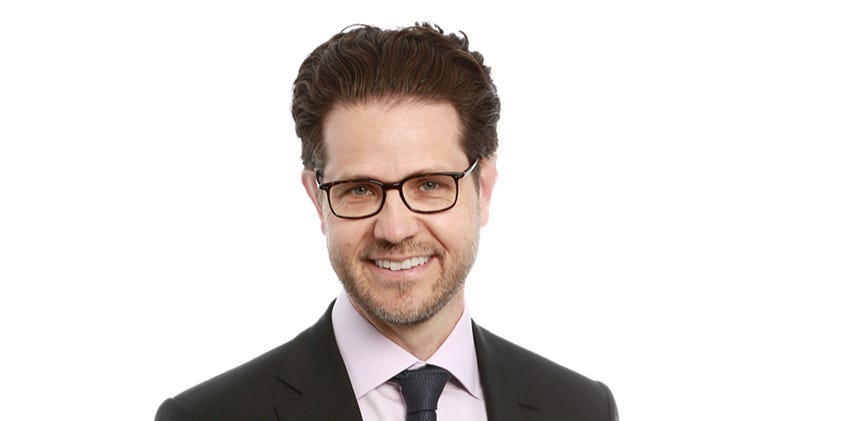
McKinsey senior partner Kurt Strovink identifies a volatile mix of AI, geopolitical, and labor challenges that make the current tenure for Fortune 500 CEOs exceptionally difficult.

The Pressure Cooker at the Top

Leading a Fortune 500 company is rarely easy, but the current climate has pushed the difficulty to a new extreme. Kurt Strovink, a senior partner at McKinsey, suggests that the modern chief executive faces a unique set of challenges that differ sharply from previous decades. The combination of rapid technological shifts, geopolitical friction, and the evolving expectations of the workforce has created a volatile environment for those at the helm.

Strovink, who regularly advises top-tier executives, points to a specific trifecta of stressors that define the current era. These issues force leaders to balance long-term strategy with immediate, often unpredictable, external shocks.

The Three Pillars of Executive Stress

According to Strovink's assessment, the primary hurdles for CEOs today include:

  • Artificial Intelligence: Managing the integration and risks associated with new AI tools.
  • Geopolitics: Navigating complex international relations that impact global supply chains and operations.
  • Talent Motivation: Engaging and retaining a younger generation of leaders who prioritize different values than their predecessors.

Data and Reality for Fortune 500 Leaders

While the role has always required a high tolerance for risk, the velocity of change is the new variable. Markets are increasingly sensitive to how leadership handles these disruptions. Traders monitoring market analysis often see how these internal executive struggles translate into stock price volatility. When a CEO fails to address these fundamental threats, the market response is typically swift and unforgiving.

"It is one of the hardest times to be a CEO," says Strovink.

This sentiment echoes across boardrooms where the margin for error has shrunk. Leaders are no longer just managing balance sheets; they are managing the firm's cultural and technological survival in real-time.

Comparing Executive Challenges

Challenge FactorHistorical ContextCurrent Reality
TechnologyIncremental adoptionRapid, disruptive AI shifts
Global TradeStable alliancesGeopolitical fragmentation
WorkforceTenure-based loyaltyValue-driven engagement

What This Means for Investors

Investors should pay closer attention to how leadership teams articulate their strategy for these three specific pillars. A CEO who lacks a clear plan for AI or fails to communicate a vision to younger employees is a liability. Much like those watching the gold profile for signs of safety during uncertainty, shareholders are looking for stability in executive leadership.

If a company cannot bridge the gap between its legacy operations and the demands of the digital age, it risks falling behind. The ability to motivate and retain talent is perhaps the most underrated metric for long-term growth. When top talent exits because they don't feel aligned with the company's mission, the institutional knowledge loss is difficult to recover.

Looking Ahead

Watch for how firms handle upcoming earnings calls. Listen for specific mentions of AI capital expenditure and internal workforce development programs. If leadership teams continue to struggle with these external forces, expect higher turnover rates in the C-suite. The difficulty of the role is unlikely to abate, making the selection and support of a CEO a primary concern for institutional investors throughout the coming fiscal year.