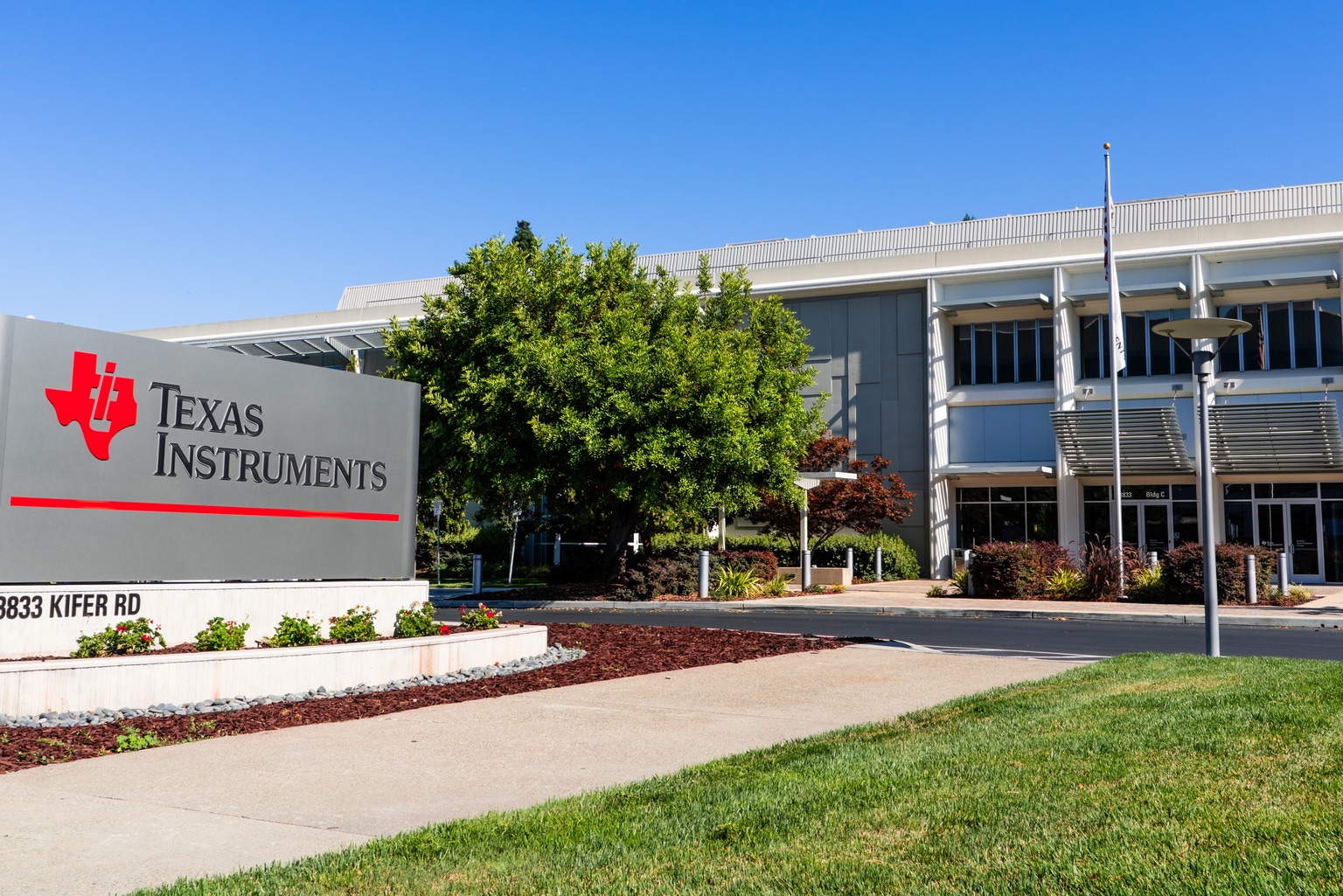
The Case for Texas Instruments
Texas Instruments (TXN) remains a core holding for investors seeking stability and growth in the semiconductor sector. While many firms chase the volatile hype of consumer AI, the company focuses on the steady, long-term expansion of margins and cash generation. It is a classic play for those building a portfolio with stock market analysis at the center of their strategy.
Operational Efficiency and Cash Flow
Management is prioritizing margin expansion even as the broader industry faces cyclical pressure. By scaling internal manufacturing and focusing on analog chip production, the company controls its costs in a way that competitors often cannot. This strategy directly supports rising free cash flow, which remains the lifeblood of the firm's dividend and buyback programs.
Core Financial Drivers
- Margin Expansion: Sustained focus on high-margin analog products.
- Free Cash Flow: Consistent growth driven by internal manufacturing efficiencies.
- AI Demand: Long-term integration of semiconductor needs across industrial and automotive sectors.
The AI Factor
Investors often compare the firm to high-flying tech giants like NVIDIA (NVDA). However, Texas Instruments serves a different, more durable role. AI is not just about data center chips; it is about the sensors and power management systems that make automation possible in the real world. As these technologies become standard, the demand for analog components will climb.
| Metric | Strategic Focus | Expected Outcome |
|---|
| Margins | Operational Efficiency | Expansion |
| Capital Output | Internal Manufacturing | Higher Cash Flow |
| Market Demand | Industrial/Auto AI | Long-Term Growth |
What Traders Are Watching
Market participants are keeping a close eye on the company's capital expenditure levels. As they bring new fabs online, the short-term impact on the balance sheet is clear. Yet, those looking at the 5-to-10-year horizon see this as a necessary step to secure market share. If you are comparing this to other tech heavyweights, such as Apple (AAPL), the contrast in business models is stark. Apple relies on consumer refresh cycles; Texas Instruments relies on the foundational infrastructure of the modern economy.
"Texas Instruments continues to demonstrate that a disciplined approach to manufacturing and product focus results in superior long-term value for shareholders," noted a recent analyst summary.
The Road Ahead
Watch for the upcoming quarterly earnings release to see if the margin expansion targets remain on track. If the company continues to improve its cash conversion cycle, it will likely outperform peers in a high-interest rate environment. Traders should monitor the following areas over the next two quarters:
- Utilization rates across new manufacturing facilities.
- Inventory levels in the industrial sector.
- Dividend growth announcements as a signal of internal confidence.