Back to Markets
Macro● Neutral

Uttarakhand Lifts Pilgrim Caps for Char Dham Yatra: Infrastructure and Economic Implications

April 10, 2026 at 02:12 AMBy AlphaScalaSource: economictimes.indiatimes.com
Uttarakhand Lifts Pilgrim Caps for Char Dham Yatra: Infrastructure and Economic Implications

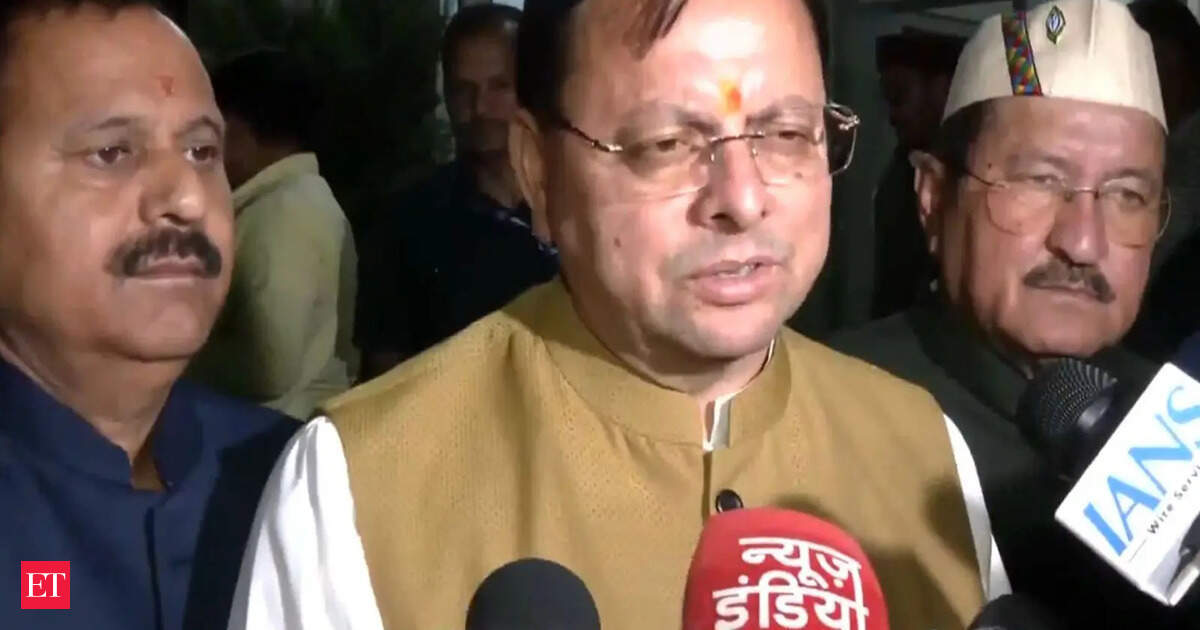
Uttarakhand Chief Minister Pushkar Singh Dhami has announced the removal of daily pilgrim caps for the upcoming Char Dham Yatra, shifting focus to infrastructure readiness and economic growth.

A Shift in Policy: Removing the Capacity Ceiling

The Uttarakhand state government has officially signaled a return to unrestricted access for the upcoming Char Dham Yatra. Chief Minister Pushkar Singh Dhami confirmed this week that the administration has decided to remove the previously implemented daily caps on pilgrim numbers, a move aimed at facilitating a seamless experience for the millions of devotees expected to traverse the Himalayan shrines. This decision marks a significant shift in the state's logistical strategy, pivoting from capacity management to infrastructure-led scalability.

Operational Readiness and Disaster Management

To support the influx of pilgrims, Chief Minister Dhami has mandated comprehensive departmental coordination. According to the Chief Minister, all relevant state agencies have completed their preparatory phases, focusing heavily on three pillars: infrastructure resilience, pilgrim safety, and robust disaster management protocols.

"The government is fully prepared to ensure a smooth and safe pilgrimage for all," Dhami stated, underscoring that the administrative machinery has been synchronized to mitigate the risks associated with high-altitude travel and the region's volatile topography. The focus on disaster management is particularly critical for the state, as the Char Dham route—encompassing the shrines of Badrinath, Kedarnath, Gangotri, and Yamunotri—is historically susceptible to landslides and extreme weather events during the monsoon transition.

The Modi Factor: Infrastructure as a Macro Catalyst

Beyond the immediate logistical adjustments, the Chief Minister highlighted the strategic importance of the Char Dham all-weather road project. Dhami credited Prime Minister Narendra Modi with the accelerated development of the state’s connectivity, noting that these central government-backed projects are foundational to the yatra’s long-term sustainability.

For the state's economy, the Char Dham Yatra serves as a primary engine of growth. The removal of caps is expected to have a multiplier effect on local hospitality, transport, and artisanal sectors. By signaling that the state is open to unrestricted numbers, the government is effectively betting on its upgraded infrastructure to handle the increased load without compromising the safety standards that were previously enforced via daily quotas.

Why This Matters for Investors and Market Observers

While the Char Dham Yatra is primarily a socio-religious event, its operational status acts as a bellwether for Uttarakhand’s broader economic trajectory. Investors tracking regional hospitality and infrastructure stocks should monitor the state’s ability to manage this volume without service disruptions.

Historically, the yatra has been a significant contributor to the state’s GDP. The removal of the daily cap implies a high-conviction stance from the administration regarding the completion of critical infrastructure upgrades. If the state manages the surge effectively, it reinforces the narrative of Uttarakhand as a maturing tourism hub capable of scaling its commercial activities. Conversely, any failure in logistical execution or disaster management could lead to temporary volatility in local tourism-linked sectors.

The Road Ahead: What to Watch

As the Yatra season commences, market participants should look for updates on two fronts: the frequency of road maintenance reports from the Public Works Department and any subsequent regulatory adjustments regarding traffic flow. With the government’s full-throated commitment to supporting the pilgrimage, the coming months will serve as a stress test for the state’s updated disaster management framework and the durability of its newly commissioned infrastructure projects.