Macro● Neutral
U.S. Denies Iran Asset Unfreeze Amid Rare Diplomatic Talks
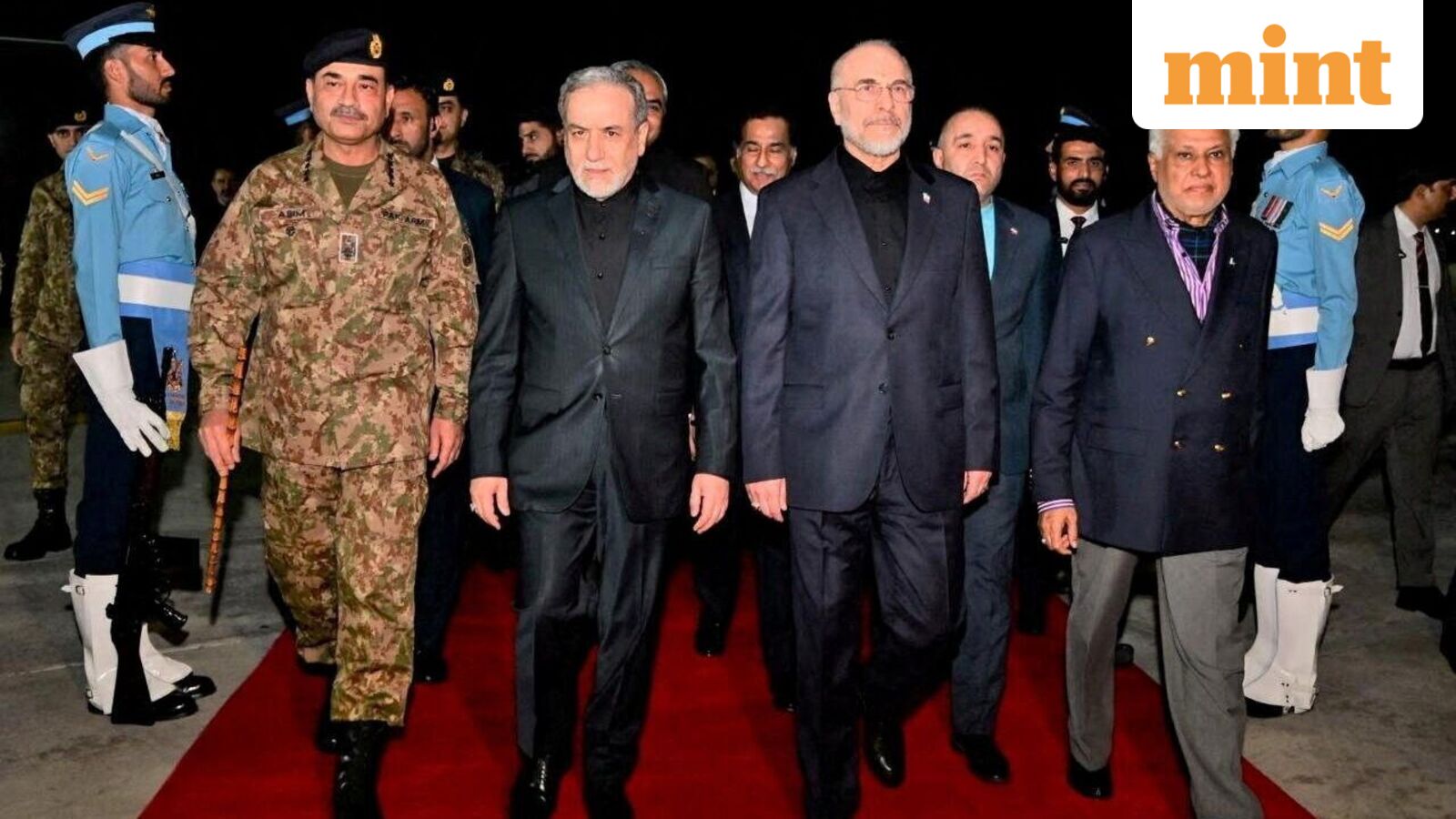
Washington’s rejection of a deal keeps sanctions intact, stalling potential oil supply surges. Watch for face-to-face meeting updates to gauge market risk.
Continue with
Escalating Diplomatic Friction
The U.S. government has formally denied recent reports suggesting that a deal had been reached to release billions of dollars in frozen Iranian assets currently held in Qatar and other international banking institutions. This correction comes at a pivotal moment, as Washington and Tehran navigate their most significant period of diplomatic contact since the 1979 Islamic Revolution.
For months, market participants and geopolitical analysts have been tracking rumors regarding the potential thawing of financial tensions between the two nations. The speculation centered on the potential release of restricted funds, a move that would have signaled a substantial shift in U.S. sanctions policy. However, the official denial reinforces the Biden administration’s stance on maintaining current economic pressure, leaving the status of these assets in a state of continued ambiguity.
A Historical Diplomatic Milestone
The backdrop to these reports is a series of high-level sessions that represent the deepest diplomatic engagement between the U.S. and Iran in over four decades. While the specific nature of these discussions remains tightly controlled, the mere existence of these channels is significant. Should the two parties move toward face-to-face dialogue—a development widely anticipated by observers—it would constitute the first such direct encounter since the landmark 2015 nuclear accord (the Joint Comprehensive Plan of Action).
This shift toward direct communication, even if currently focused on de-escalation rather than comprehensive policy resolution, marks a departure from years of proxy-based rhetoric and third-party mediation. For the markets, the potential for a formal breakthrough carries profound implications for global energy supplies and regional stability in the Middle East.