A Silent Threat Beneath the Surface
India’s agricultural sector, the backbone of its national economy, is facing an insidious, invisible threat that risks long-term soil productivity and food security. A newly released roadmap by the National Academy of Agricultural Sciences (NAAS) has formally identified microplastics as a critical emerging crisis for the nation’s farmland. As synthetic materials increasingly permeate the agricultural landscape, the NAAS is calling for an immediate, systemic overhaul of waste management and material usage to mitigate what experts describe as a growing environmental and economic hazard.
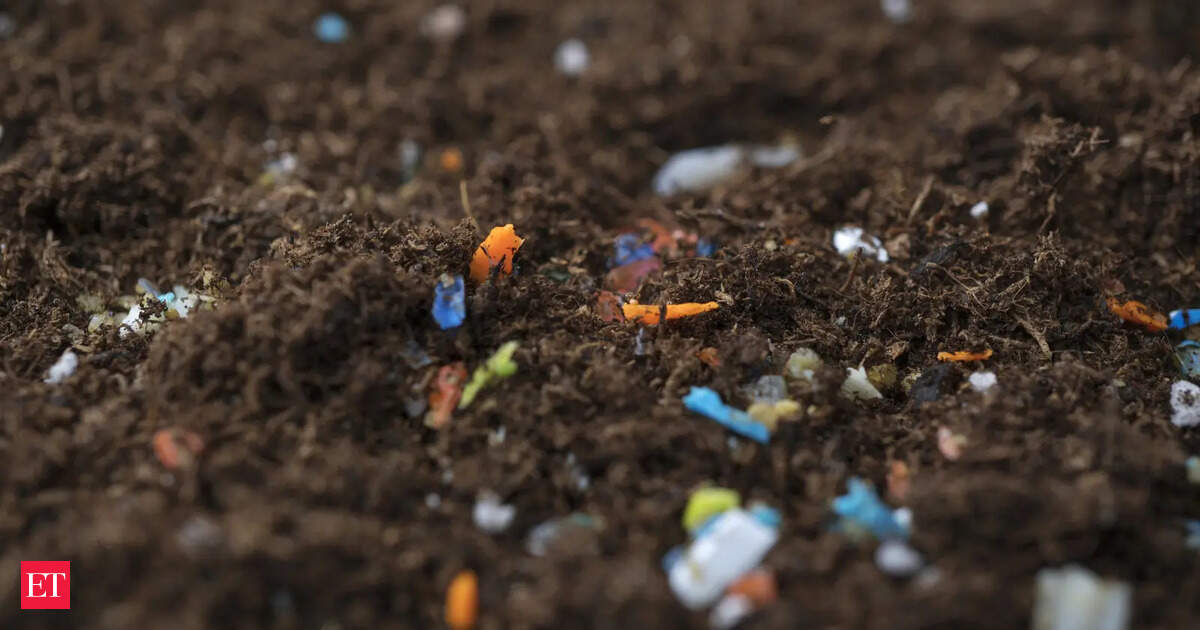
Microplastics—plastic fragments smaller than 5 millimeters—have transitioned from oceanic concerns to terrestrial contaminants. In the Indian context, the proliferation of these pollutants is largely attributed to the widespread use of agricultural films, plastic-lined irrigation systems, and the application of contaminated organic fertilizers. The NAAS roadmap highlights that the accumulation of these particles in the topsoil is not merely an environmental concern but a direct impediment to crop health and soil vitality.
The NAAS Mandate: A Framework for Mitigation
The NAAS roadmap serves as a strategic blueprint, urging policymakers and industry stakeholders to adopt a multi-pronged approach to soil preservation. Central to this strategy is the establishment of a robust national monitoring framework. Currently, the lack of standardized longitudinal data on microplastic concentrations in Indian soil makes it difficult to assess the full scale of the degradation. By implementing systematic monitoring, the academy aims to create a baseline that will allow for data-driven interventions.
Beyond monitoring, the roadmap emphasizes the urgent need for a radical upgrade in rural waste management infrastructure. Much of the microplastic load currently originates from the improper disposal of single-use plastics and agricultural byproducts that break down into persistent micro-particles. The NAAS proposal suggests that curbing this influx requires not only better collection services but also a transition toward sustainable, biodegradable alternatives. The academy is advocating for increased R&D investment into bio-based mulching films and eco-friendly packaging designed to dissolve without leaving toxic residues in the soil profile.
Why This Matters for the Agricultural Economy
For investors and stakeholders in the agribusiness sector, the NAAS roadmap signals a potential shift in regulatory and supply chain dynamics. Soil degradation is a primary driver of long-term yield volatility. If microplastic accumulation leads to reduced nutrient uptake in crops or toxicity in the food chain, the long-term impact on agrarian productivity could be significant.
Historically, the focus on agricultural efficiency has been centered on chemical runoff and water management. The inclusion of microplastics as a priority concern suggests that ESG (Environmental, Social, and Governance) scrutiny in the agricultural sector is intensifying. Companies involved in chemical fertilizers, irrigation hardware, and packaging solutions may soon face stricter compliance standards as the Indian government moves to align with these scientific recommendations.
Forward-Looking: The Path to Policy Integration
The transition from a scientific roadmap to federal policy often takes time, but the urgency expressed by the NAAS is unlikely to be ignored. As India looks to modernize its agricultural output, the integration of “microplastic-safe” certifications or mandates for biodegradable materials could reshape the market for agricultural inputs.
Traders and industry observers should watch for upcoming government announcements regarding plastic waste management incentives and potential subsidies for firms developing biodegradable soil-management technologies. The NAAS roadmap is a clear signal that the era of unregulated plastic usage in agriculture is nearing its end, and the firms that pivot to sustainable alternatives now will likely hold a distinct competitive advantage in the coming decade.