Macro● Neutral
U.S. Missile Shortages Threaten Strategic Readiness
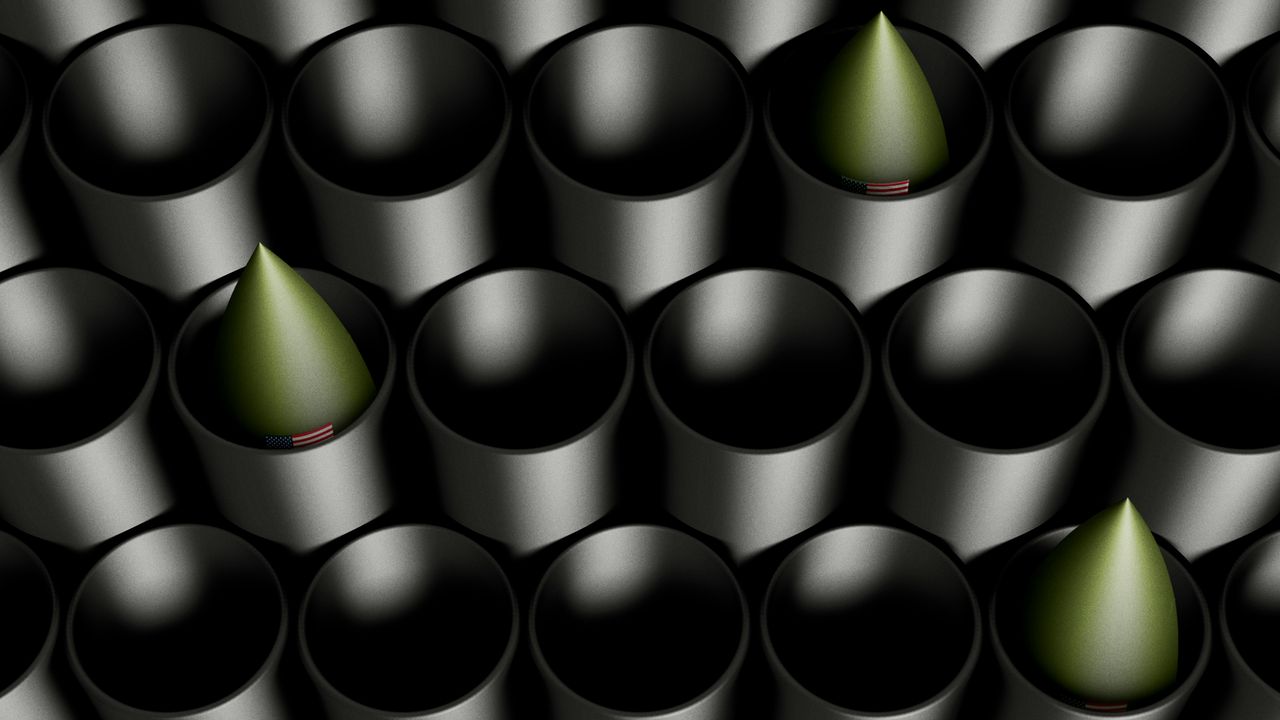
Middle East conflict is depleting precision munitions faster than production lines can replace them, forcing a critical reassessment of defense priorities.
Continue with
A Dwindling Arsenal
Defense officials within the Trump administration are flagging a growing crisis regarding the U.S. missile supply. What began as a cautious anxiety about readiness for a potential standoff with China has transformed into a pressing concern. A war of choice in the Middle East has accelerated the depletion of critical munitions, leaving military leaders worried about the nation's ability to respond to future threats.
For years, the Pentagon maintained a focus on preparing for a conflict with a peer competitor. The current reality, however, involves a high rate of expenditure on air defense and precision-guided weapons in the Middle East. This usage rate is outstripping the current production capacity, creating a vulnerability that complicates long-term market analysis for defense contractors and government planners alike.
The China Factor
Before the current regional escalation, the primary objective of the U.S. defense industrial base was to stockpile weapons for the Pacific theater. Defense officials previously argued that existing inventories were already insufficient for a sustained engagement with Beijing. The recent combat activity has only exacerbated these shortages.
- Prior concern: Stockpiles were deemed inadequate for a major Pacific contingency.
- Current reality: Operational deployments in the Middle East are consuming inventory at an unsustainable pace.
- Industrial bottleneck: Production lines remain unable to replace munitions as quickly as they are fired.
"Defense officials inside the Trump Administration were already concerned that American stockpiles were insufficient for a potential standoff with China. A war of choice in the Middle East has only made matters worse."