Commodities● Neutral
U.S. Blockade of Strait of Hormuz Stalls Global Oil Shipments
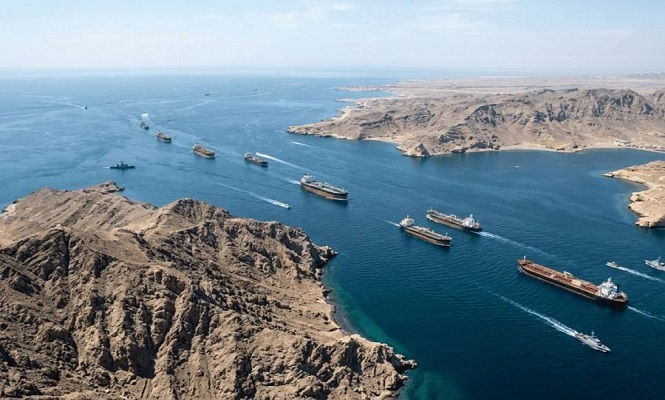
The U.S. halt of tanker traffic through the Persian Gulf threatens immediate energy price spikes. Watch for Iranian responses to gauge the duration of supply.
Continue with
Washington Disrupts Strategic Chokepoint
The United States has initiated a blockade of the Strait of Hormuz, preventing commercial vessels from transiting this critical maritime corridor. This move marks a sharp escalation in efforts to force Iran to reopen energy supply lines. As one of the world's most vital energy arteries, the Strait handles a massive portion of global petroleum output, making any disruption an immediate concern for international markets.
Market Impact and Supply Chain Vulnerabilities
Traders monitoring the crude oil profile are bracing for extreme volatility. The waterway serves as the primary exit for Gulf producers, and the sudden restriction of movement threatens to constrain global supply chains. With energy security already a primary concern following recent warnings from international bodies, the blockage creates a direct risk to global food and manufacturing sectors that rely on affordable fuel.
Key Risks to Energy Security
- Supply Chain Disruption: Immediate halt to tanker traffic in the Persian Gulf.
- Global Pricing Pressure: Potential for rapid price spikes across energy commodities.
- Geopolitical Standoff: Heightened risk of direct confrontation between U.S. forces and Iranian assets.