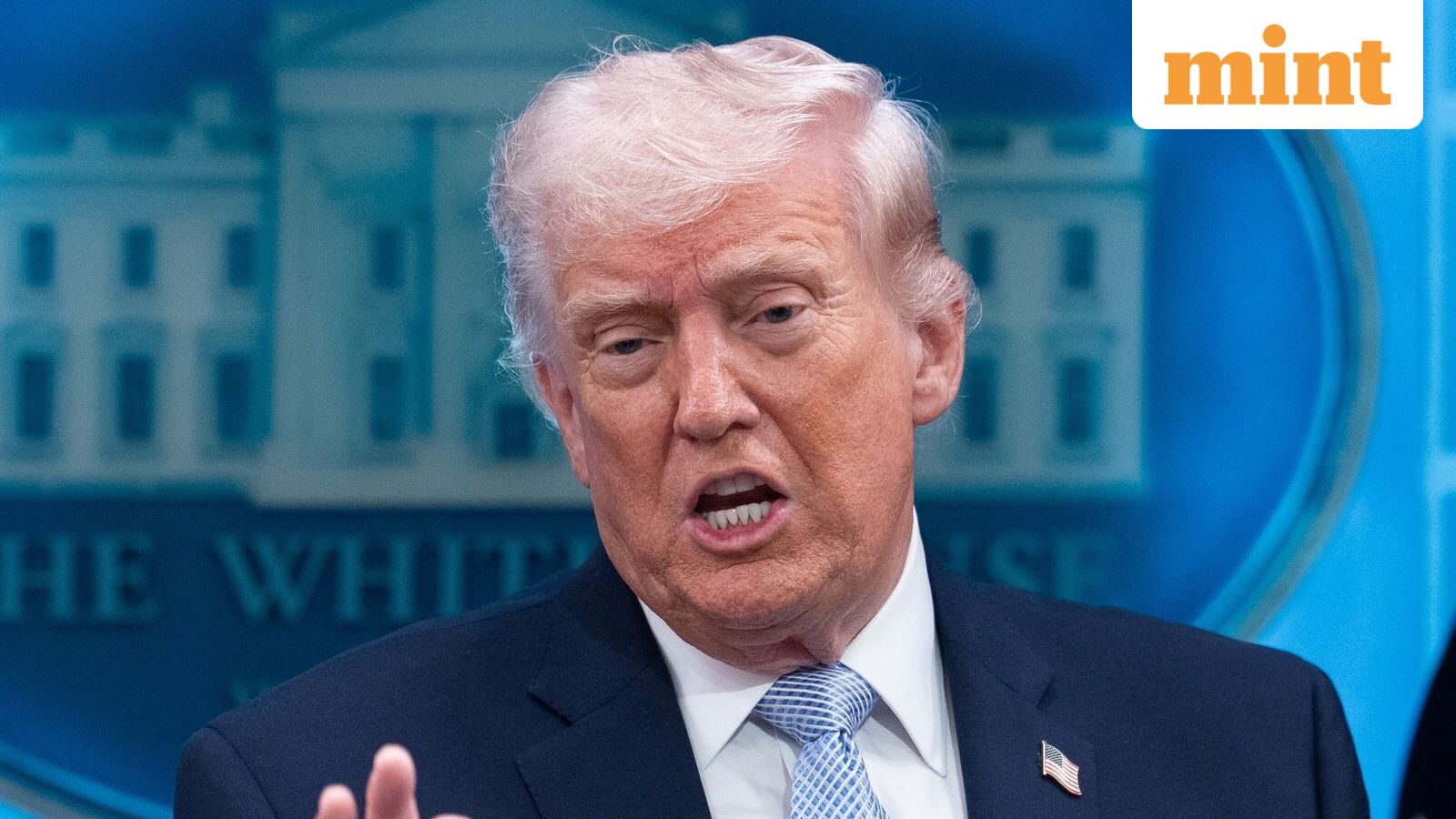
Trump Signals Diplomatic Opening with Iran, Hints at Potential for 'Deal'

Former President Trump has signaled a potential thaw in diplomatic relations with Iran, describing the nation as an 'active, willing participant' in ongoing negotiations.
## A Shift in Tone on Iran
Former President Donald Trump has offered a cryptic but significant update regarding the state of U.S.-Iran relations, signaling that he perceives Tehran as an "active, willing participant" in potential negotiations. Speaking to reporters on the sidelines of his recent campaign engagements, Trump suggested that the current geopolitical impasse may be thawing into a period of substantive dialogue.
“I can't talk about ceasefire. But I can tell you that we have an active, willing participant on the other side. They would like to be able to make a deal. I can't say any more than that,” Trump stated. While the former president stopped short of detailing the mechanisms or specific objectives of these purported talks, his remarks represent a notable pivot from the "maximum pressure" campaign that defined his previous administration’s stance toward the Islamic Republic.
## Contextualizing the Diplomatic Overture
For market participants, the mention of a potential deal with Iran carries significant weight. Historically, any easing of tensions between Washington and Tehran acts as a catalyst for volatility in energy markets. Iran remains a major global oil producer, and the prospect of sanctions relief—which would likely be a cornerstone of any formal agreement—could lead to a surge in Iranian crude exports hitting the global market.
During his previous term, Trump’s decision to withdraw from the Joint Comprehensive Plan of Action (JCPOA) in 2018 triggered a series of secondary sanctions that effectively curtailed Iran’s oil output, significantly tightening global supply. Analysts are now parsing his latest comments to determine if a second administration would seek a transactional, deal-oriented approach to regional stability or if this rhetoric is merely a tactical shift in his broader foreign policy posture.
## Market Implications and Trader Sentiment
For traders, the primary concern is the potential impact on the Brent and WTI benchmarks. Even the suggestion of a diplomatic pathway can suppress risk premiums in the oil sector. If the market perceives a genuine reduction in the likelihood of military escalation, or a potential return of Iranian barrels to the market, we could see immediate downward pressure on energy prices.
However, the ambiguity of Trump’s comments—specifically his refusal to discuss a "ceasefire"—leaves the situation in a state of flux. Markets often react to the *prospect* of supply normalization faster than to the actual data. Traders should remain highly sensitive to any follow-up statements from both the Trump camp and Iranian officials, as any contradiction from Tehran regarding their "willingness" to negotiate could just as quickly reverse any gains in risk sentiment.
## The Road Ahead: What to Watch
As the U.S. political cycle intensifies, the intersection of foreign policy and energy pricing will remain a critical focal point for institutional investors. The key indicators to watch in the coming weeks include:
1. **Official State Department or Foreign Ministry Rebuttals:** Any formal denial from Tehran regarding the existence of secret negotiations would serve as a major bearish signal for those betting on geopolitical de-escalation.
2. **Energy Inventory Data:** Monitoring for any anomalous shifts in tanker tracking data, which often provides the first real-world evidence of changes in Iranian export volumes.
3. **Geopolitical Risk Premiums:** Traders should track the spread between WTI spot prices and forward contracts to gauge how much the market is pricing in the risk of supply disruptions in the Middle East.
While the prospect of a "deal" remains speculative, Trump’s public acknowledgement of an active negotiation partner marks a departure from the absolute antagonism of previous years. For now, the market is left to weigh the possibility of a diplomatic breakthrough against the deep-seated structural tensions that continue to define U.S.-Iran relations.