Macro● Neutral
Why Interest Rates, Not Geopolitics, Dictate Market Bottoms
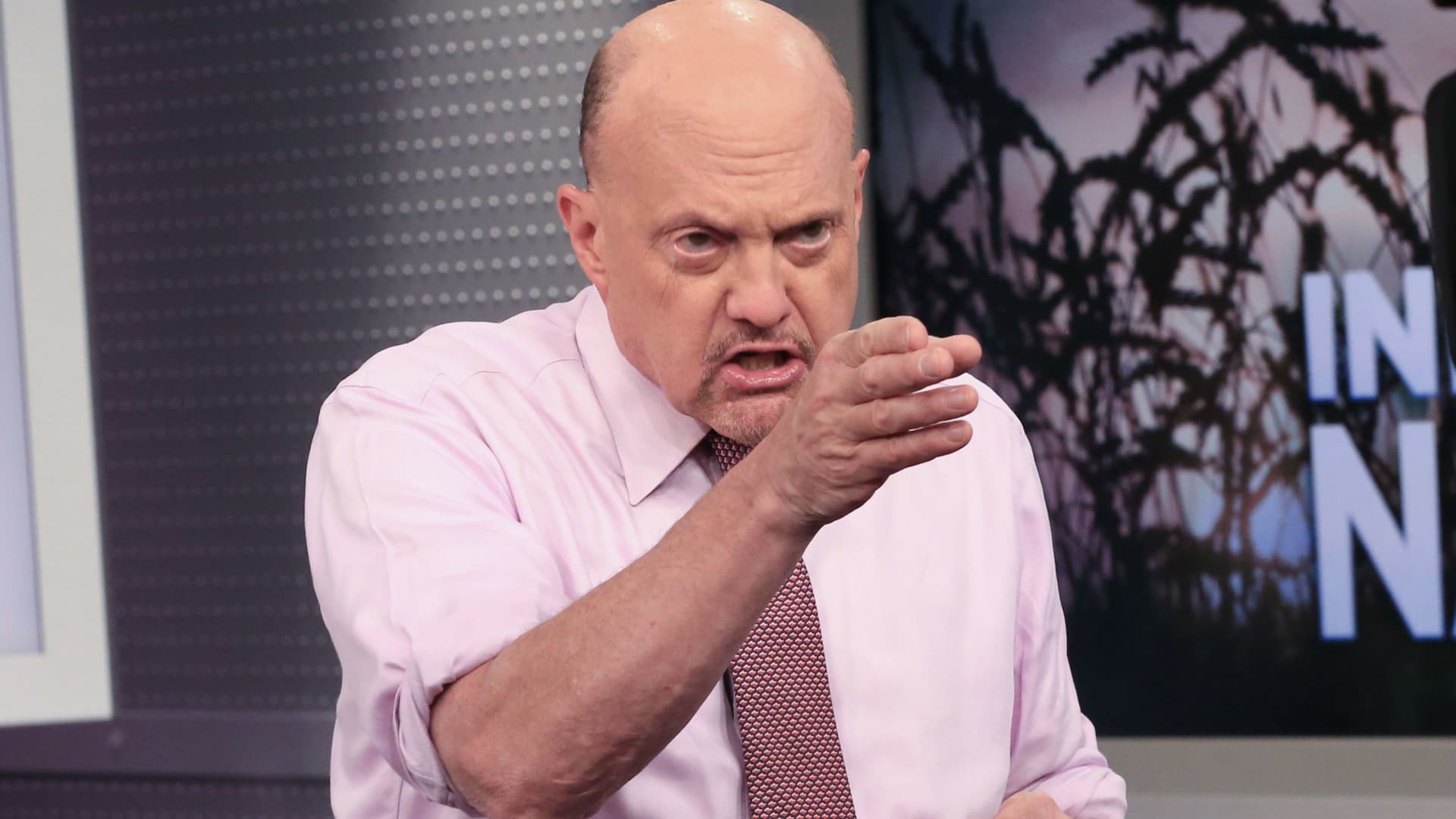
Jim Cramer warns that focusing on war headlines ignores the true driver of equity valuations. Monitor Treasury yields to identify the real market floor.
Continue with
The False Security of Geopolitical Calm
For many market participants, the instinct in times of heightened international tension is to look for a definitive 'bottom'—a point of maximum capitulation that signals a safe entry back into equities. However, CNBC’s Jim Cramer is cautioning investors against this narrative, arguing that the fixation on war headlines is a fundamental misreading of the market’s true plumbing. According to Cramer, the path to a sustainable market floor is not found in the resolution of geopolitical flashpoints, but rather in the trajectory of interest rates.
While market sentiment is often buffeted by the headlines coming out of conflict zones, Cramer contends that the broader macro environment—specifically the cost of capital—remains the primary architect of equity valuations. For traders, this distinction is critical: basing a strategy on the ebb and flow of regional tensions ignores the structural reality of a high-interest-rate regime.
The Yield Curve’s Dominance Over Sentiment
Historically, institutional capital tends to rotate based on the discount rate applied to future earnings. When interest rates are rising or remain stubbornly high, the present value of future cash flows is compressed, leading to multiple contraction across growth sectors. Cramer’s perspective aligns with the classic financial theory that interest rates act as the 'gravity' of the stock market. If yields on risk-free assets, such as the 10-year U.S. Treasury, remain elevated, equities must work significantly harder to justify their risk premium.
Investors often fall into the trap of believing that a 'peace dividend' or a cessation of hostilities will automatically trigger a bull run. Cramer points out that while such events might provide a short-term relief rally, they do not alleviate the underlying pressure exerted by central bank policy. If the Federal Reserve maintains a 'higher for longer' stance to combat persistent inflation, the market floor will remain elusive regardless of progress on the diplomatic front.