Commodities● Neutral
Trump Warns of Energy Price Volatility Ahead of Midterm Elections
Market participants should monitor EIA inventory reports and rig counts as political rhetoric intensifies, potentially triggering sharp supply-side swings.
Continue with
Energy Price Bifurcation: The Pre-Election Outlook
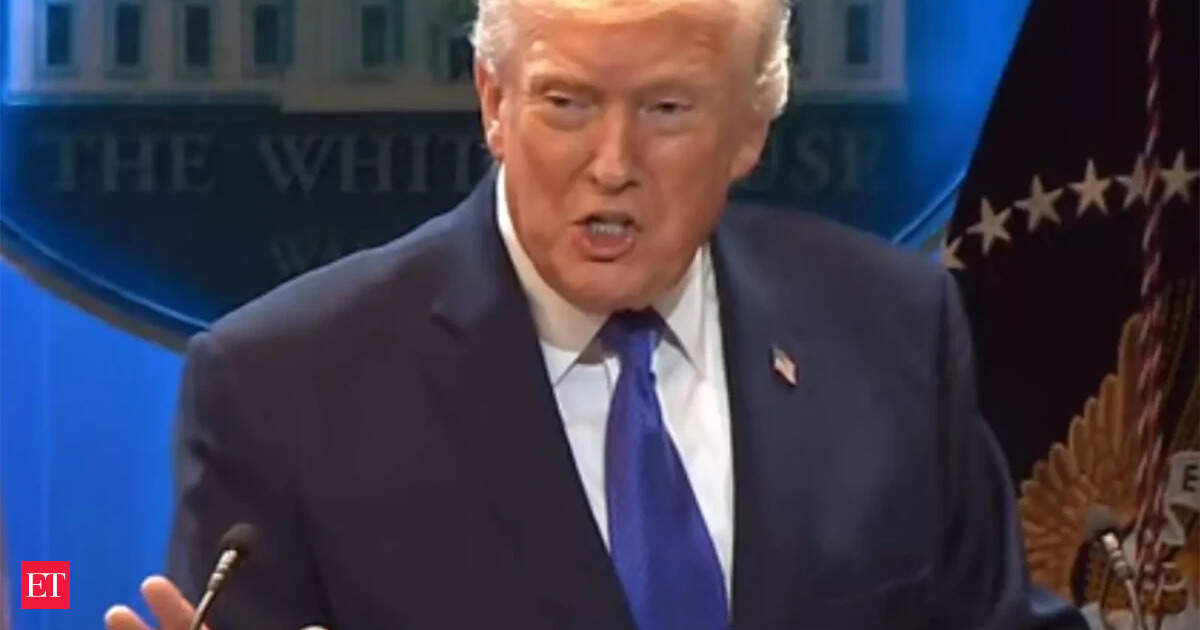
As the political calendar converges with a volatile energy landscape, former President Donald Trump has issued a stark assessment regarding the trajectory of oil and gas prices. Speaking on the current economic climate, Trump noted that energy costs could experience significant movement in either direction before the upcoming U.S. midterm elections. This outlook highlights the heightened sensitivity of the energy sector to political cycles and the persistent fragility of global supply chains.
For traders and macro strategists, the comment underscores a fundamental truth about modern energy markets: they have become a primary theater for both geopolitical posturing and domestic economic anxiety. The unpredictability described by the former president is not merely speculative; it is a reflection of a market caught between supply-side constraints and fluctuating demand forecasts.
The Drivers of Current Market Instability
Several structural factors continue to underpin the current price action in crude oil and natural gas. Geopolitical tensions remain the primary catalyst for volatility, as conflicts in key oil-producing regions threaten the stability of global flow. When supply disruptions occur—or are even rumored—the market reacts with immediate, often aggressive, price discovery.
Furthermore, the energy sector is currently grappling with a complex interplay of OPEC+ production quotas, inventory levels in the United States, and the lingering effects of global energy transitions. These factors create a "tug-of-war" environment where bullish sentiment regarding potential supply shortages clashes with bearish fears of a global economic slowdown, which would suppress demand.