Thule Bets on Polish Automation to Scale European Logistics

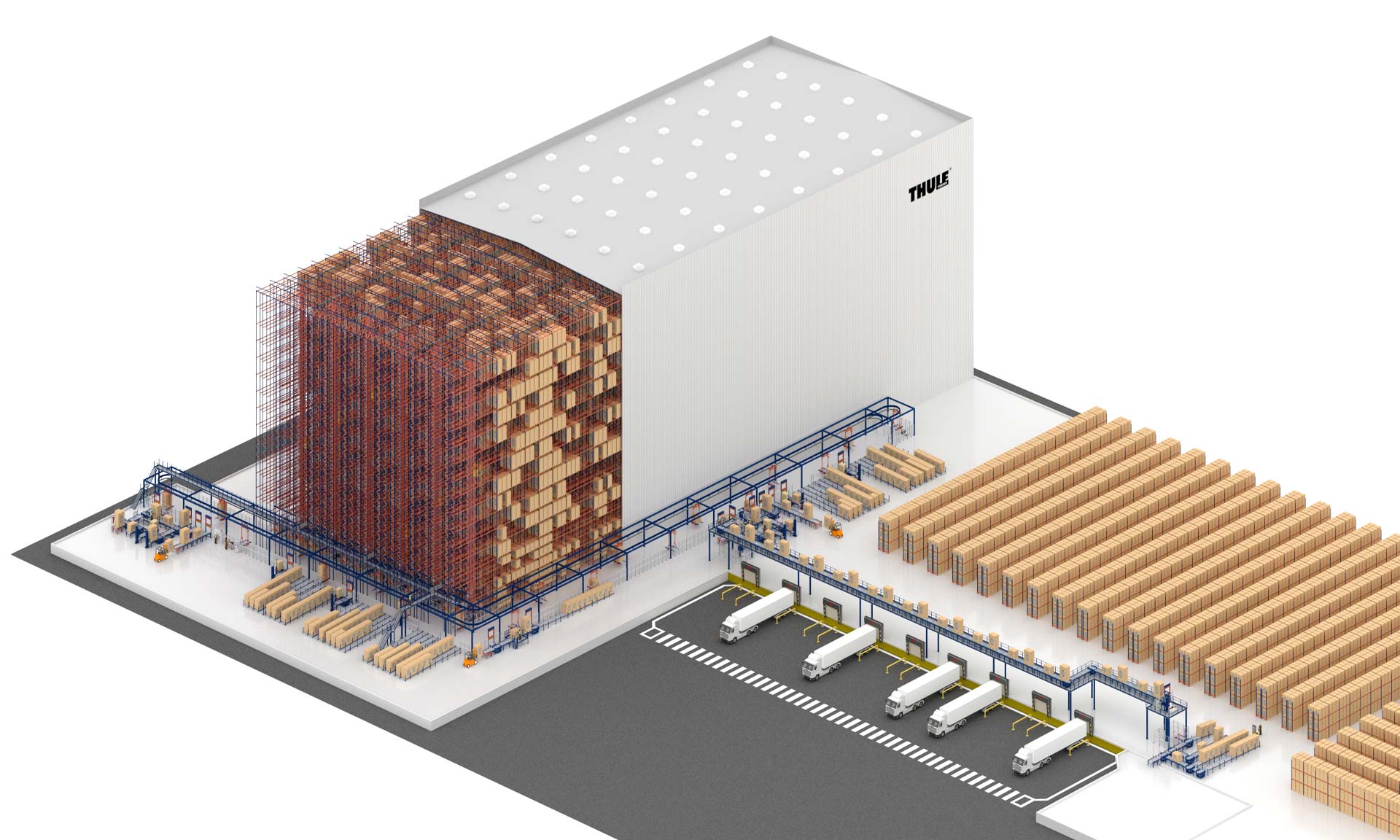
Thule is constructing a new automated warehouse in Poland to centralize its European distribution network and support future international expansion.
A Strategic Shift in European Logistics
Thule is moving to consolidate its European distribution network. The Swedish outdoor lifestyle brand confirmed plans to construct a new automated warehouse facility in Krzyż Wielkopolski, Poland. By centralizing its product range, the company aims to accelerate throughput and better manage its supply chain across the continent.
This investment marks a clear attempt to boost operational efficiency as the company looks toward international expansion. While the firm currently manages diverse logistics streams, this new hub will serve as the primary nerve center for its European operations and provide additional capacity for other global markets.
The Drive for Automation
Automation sits at the heart of this project. By shifting to a high-tech facility, Thule intends to reduce manual bottlenecks that typically plague large-scale distribution operations. The choice of Poland offers a logical geographic advantage, sitting closer to the center of its key European customer base.
Key objectives for the new facility include:
- Centralization of the entire European product catalog.
- Increased throughput to meet fluctuating seasonal demand.
- Scalability to support future international growth initiatives.
What This Means for Shareholders
Investors monitoring stock market analysis often look for companies that prioritize margin protection through capital expenditure. For Thule, this warehouse is not just a building; it is a tool to control rising fulfillment costs. Traders should keep an eye on how these capital allocations impact free cash flow in the coming quarters.
"The new facility in Krzyż Wielkopolski will centralize our European product range while also serving other markets, as it works to improve throughput."
Logistics and Market Metrics
While the specific dollar amount of the investment remains private, the scale of the facility suggests a long-term commitment to the region. The following table illustrates the strategic reasoning behind the move:
| Focus Area | Expected Outcome |
|---|---|
| Supply Chain | Reduced complexity through centralization |
| Operations | Higher speed via automation |
| Market Reach | Improved service levels for non-European markets |
Looking Ahead
Management has framed this project as a foundational step for future growth. The company is betting that a more agile supply chain will allow it to respond faster to consumer trends in the competitive outdoor accessories sector. Investors will watch for updates on the construction timeline and the projected impact on distribution costs during the next earnings cycle.
For those invested in the broader retail sector, this move mirrors trends seen at companies like Clintons, where businesses are actively reshaping their physical footprints to remain competitive in a shifting retail climate.