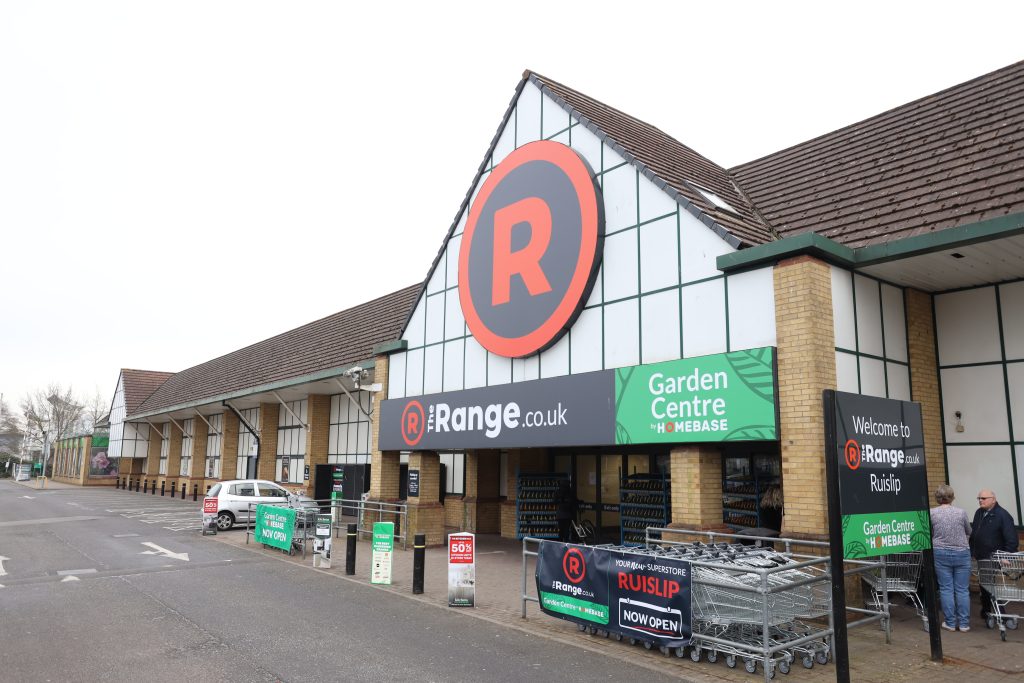
A New Digital Backbone
The Range is betting big on its digital future. The retailer recently completed a transition of its online marketplace to a new platform powered by Mirakl. This move replaces the company's legacy in-house infrastructure, a decision intended to provide a more scalable foundation for its growing e-commerce business.
By adopting this enterprise-grade technology, the firm aims to manage its third-party sellers more effectively. The shift comes as the retailer looks to broaden its digital product range and improve the efficiency of its online operations. For those interested in broader stock market analysis, this pivot highlights a growing trend of legacy retailers outsourcing core digital functions to specialized software providers to maintain competitiveness.
Why the Shift Matters
Moving away from proprietary systems is a calculated risk for retailers. While in-house tools offer total control, they often lack the agility required to keep pace with modern consumer habits. The Mirakl platform is specifically designed to handle:
- Seller onboarding: Reducing the time it takes to bring new merchants onto the platform.
- Catalog management: Handling larger inventories without compromising site performance.
- Operational scaling: Automating tasks that previously required manual oversight.
This upgrade is not just about backend stability. It is a strategic effort to capture a larger share of the online retail market. As consumer expectations for delivery speed and product variety increase, The Range is positioning itself to compete more directly with digital-first marketplaces.
Market Implications for Retailers
Investors often watch how traditional firms adapt to digital-first models. Much like the transition seen at companies like Apple (AAPL) when they refine their service ecosystems, The Range’s decision to outsource its marketplace tech is a play for long-term margin protection. By offloading technical maintenance to a vendor, the company can redirect its internal resources toward merchandising and customer acquisition.
The transition to a dedicated marketplace platform is a clear signal that the company is prioritizing digital growth over legacy technical independence.
What to Watch Next
Retailers are increasingly turning to third-party tech providers to manage their digital shops. Whether this investment will yield a measurable increase in gross merchandise volume or customer retention will be the primary metric for analysts in the coming quarters. Success here could serve as a blueprint for other brick-and-mortar brands looking to modernize their digital footprints without building complex systems from the ground up.
As the company integrates these new tools, stakeholders should watch for updates on:
- Total seller count: How quickly the marketplace expands its partner network.
- Digital revenue share: The percentage of total sales generated through the online portal.
- Operational costs: Whether the new platform reduces overhead compared to the previous in-house setup.