Macro● Neutral
Why Hungary’s Democratic Experiment Failed Over 16 Years
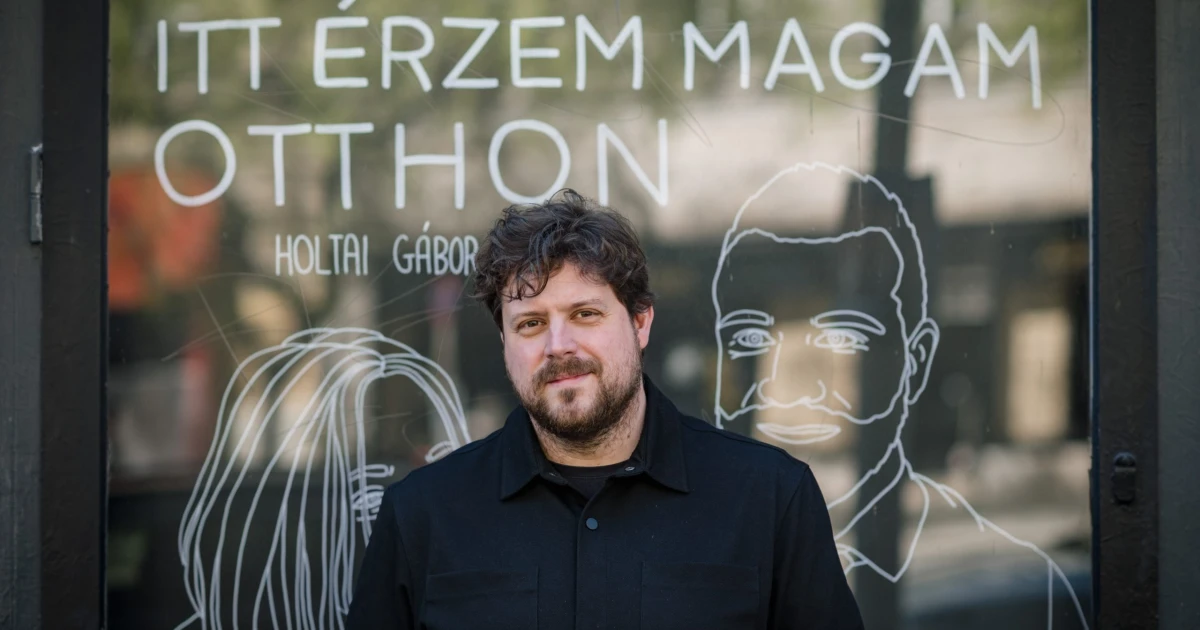
Gábor Holtai reveals how motivated reasoning and reflexive political opposition entrench systemic stagnation, signaling continued institutional inertia.
Continue with
The Architecture of Disillusionment
In a candid assessment of Hungary’s socio-political landscape, filmmaker Gábor Holtai, director of the documentary Itt érzem magam otthon (I Feel at Home Here), has ignited a conversation regarding the structural failures of the Hungarian democratic experiment. Holtai’s thesis is provocative: the current state of affairs is not a sudden deviation, but rather the logical outcome of a system that has never truly functioned as intended.
Holtai argues that the political trajectory of the last sixteen years—a period defined by significant consolidation of power and shifts in institutional norms—is a direct product of long-standing democratic fragility. "The problem is that Hungarian democracy has never really worked well," Holtai states. "If it had ever worked, we wouldn't have produced the last sixteen years and those who created today's conditions."
The Cognitive Barrier to Change
Beyond the political implications, Holtai highlights a profound psychological barrier facing contemporary discourse. When attempting to engage citizens in a critical review of the past decade and a half, he observes a defensive reflex that precludes genuine debate. According to Holtai, if one attempts to challenge an individual’s long-held worldview, the subject often fails to reach a stage of reflection, opting instead for immediate, reflexive opposition.
This phenomenon of 'motivated reasoning'—where individuals prioritize the preservation of their existing belief systems over the integration of new, contradictory data—is a significant hurdle for social progress. Holtai suggests that the reflexive pushback is a defense mechanism against the discomfort of admitting that one’s political assessments over the last sixteen years may have been fundamentally flawed.