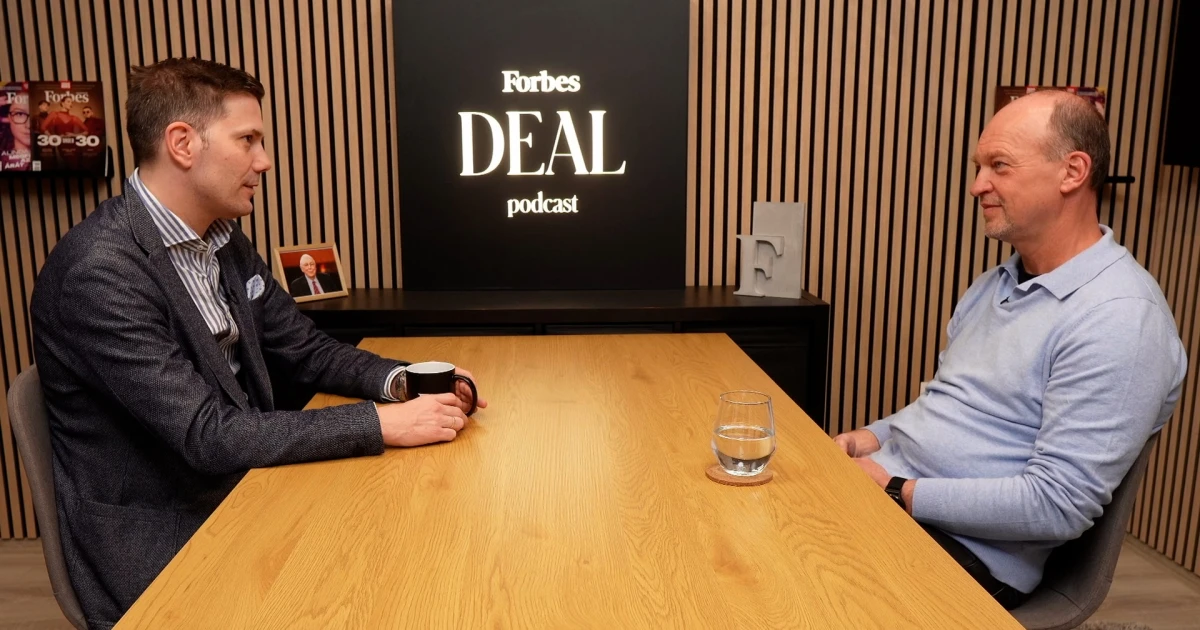
The Price of the Corner Office: Analyzing the Two-Decade Evolution of Post-Transition Leadership

A new 20-year longitudinal study by Attila Bokor examines the personal and professional costs faced by the generation of leaders who rose to power after the systemic transition, highlighting the hidden risks of the 'golden cage' executive experience.
The Burden of Success: Evaluating the Post-Transition Executive Class
For the past twenty years, the corporate landscape of Central and Eastern Europe has been defined by a specific cohort of leaders: the post-transition generation. These individuals rose to prominence in the wake of systemic political and economic shifts, navigating the volatile transition to market capitalism. However, a comprehensive longitudinal study conducted by Attila Bokor, which tracked the career trajectories and personal lives of 50 top-tier executives over two decades, suggests that the "golden cage" of executive success may have exacted a higher toll than previously understood.
A Longitudinal View of Executive Performance
Bokor’s research offers a rare, granular look at the human capital behind the region’s economic growth. By analyzing 50 top managers, the study moves beyond mere financial performance metrics to examine the psychological and lifestyle trade-offs inherent in climbing the corporate ladder in a rapidly evolving market. These executives were instrumental in integrating regional firms into global value chains, yet the data reveals a recurring pattern of personal sacrifice that accompanies such rapid professional ascension.
The "Golden Cage" Phenomenon
At the heart of Bokor’s findings is the concept of the "golden cage." While these leaders achieved the pinnacle of professional success—securing high-compensation packages, significant decision-making power, and prestigious status—the research indicates a narrowing of life perspectives. The intensity required to maintain top-tier status in a competitive, post-transition environment often led to a homogenization of their personal lives.
For investors and market analysts, this research provides vital context regarding the sustainability of leadership. When top management is structurally incentivized to prioritize short-term corporate survival and growth at the expense of personal equilibrium, it can lead to burnout, rigid decision-making, and a lack of creative long-term strategic vision. The study highlights that the very traits which propelled these managers to the top—relentless drive and adaptability—often became the barriers that prevented them from achieving a sustainable work-life balance.
Implications for Corporate Governance and Market Stability
What does this mean for the modern investor? As we look at the evolution of leadership, the data suggests that institutional resilience is often tethered to the health of its leadership core. If the "post-transition generation" reached the peak of their careers while operating within a system that demanded total devotion, the long-term risk profile of the companies they lead must be reassessed.
Bokor’s work serves as a cautionary tale for the next generation of corporate stewards. It prompts a necessary dialogue about whether the current corporate structure supports longevity or if it essentially burns through human capital to sustain quarterly results. For traders monitoring executive churn and corporate strategy, understanding the pressures exerted on these leaders is essential to anticipating potential leadership transitions or shifts in corporate culture that could impact stock performance.
Looking Ahead: A Shift in Leadership Paradigms
The 20-year data set provided by Bokor is not merely an autopsy of a past generation; it is a roadmap for future development. As the market matures, the expectations for leadership are shifting. Investors are increasingly prioritizing ESG (Environmental, Social, and Governance) factors, which include the mental and physical well-being of the workforce, including the C-suite.
Moving forward, market participants should watch for companies that are moving away from the "pressure-cooker" leadership model identified in the study. Firms that foster sustainable leadership practices are likely to experience lower executive turnover and more stable long-term growth. The era of the isolated, high-sacrifice executive may be giving way to a more balanced, collaborative approach—a transition that will undoubtedly define the next two decades of market leadership.