The Flaw in Market Timing
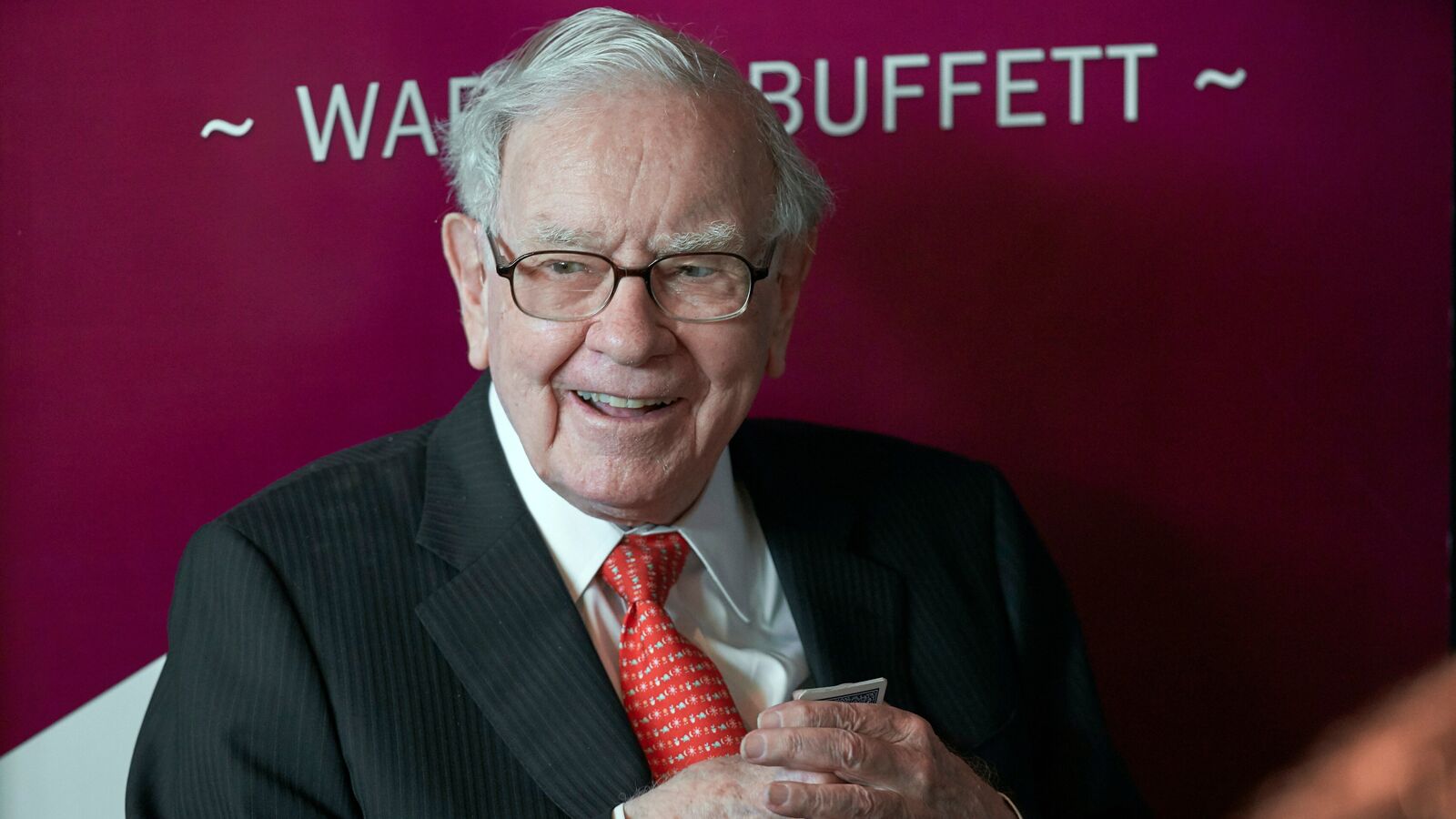
In an era defined by high-frequency trading, algorithmic execution, and hyper-reactive news cycles, Warren Buffett, the chairman and CEO of Berkshire Hathaway, continues to anchor his investment philosophy in a singular, time-tested principle: the irrelevance of market timing. For the legendary investor, the constant quest to predict short-term equity performance is a fool’s errand that distracts from the fundamental objective of investing—identifying assets that offer intrinsic value exceeding their current market price.
Buffett’s recent commentary serves as a stark reminder to traders and long-term investors alike that the focus should shift away from 'when' to buy and toward the 'what' and 'why.' According to the Oracle of Omaha, the objective is not to guess the direction of the broader index in the coming months, but to determine whether a specific company is worth the price tag attached to its shares today.
Shifting the Paradigm: Price vs. Value
For market participants, the distinction between price and value is often blurred by volatility. Buffett’s approach suggests that institutional and retail investors frequently fall into the trap of analyzing market sentiment rather than underlying business fundamentals. When an investor asks, 'Is the market going to crash next week?' they are engaging in speculation. When an investor asks, 'Is this business generating sustainable cash flow at a valuation that provides a margin of safety?' they are engaging in true investment.
This philosophy is particularly relevant in the current macroeconomic environment, where interest rate uncertainty and shifting geopolitical landscapes have driven significant fluctuations in equity valuations. By decoupling the act of purchasing from the act of predicting, Buffett advocates for a disciplined framework where the investor acts as a business owner rather than a ticker-tape voyeur. In his view, the market is a mechanism for transferring wealth from the impatient to the patient, provided the buyer has conducted a rigorous assessment of cost versus value.
Implications for Modern Traders
While Buffett is famously a long-term holder, his core tenet—that one should purchase equities when the investment is worth the cost—has profound implications for active market participants. Traders often struggle with the 'cost of entry' versus the 'exit target.' By prioritizing the intrinsic value of a position, traders can establish clearer risk-reward ratios.
If the cost of an asset is lower than its calculated intrinsic worth, the probability of a favorable outcome increases regardless of short-term volatility. This methodology mitigates the psychological stress associated with market swings, allowing for more rational decision-making. Investors who adopt this mindset are less likely to panic-sell during corrections, as their conviction is rooted in the financial health of the underlying asset rather than the fear-driven movements of the S&P 500 or the NASDAQ.
Looking Ahead: A Discipline of Patience
As the markets continue to grapple with inflationary pressures and the evolving guidance from central banks, the temptation to time the market will remain high. However, Buffett’s stance provides a defensive bulwark against such impulses. The takeaway for the coming quarters is clear: focus on balance sheets, free cash flow, and management efficacy.
Investors should watch for opportunities where market pessimism has driven prices below internal valuation models. By ignoring the noise of daily market forecasts and adhering to a disciplined valuation-based entry, market participants can position themselves to benefit from long-term compounding, effectively turning market instability into a strategic advantage.