The Competitive Landscape of Enterprise AI
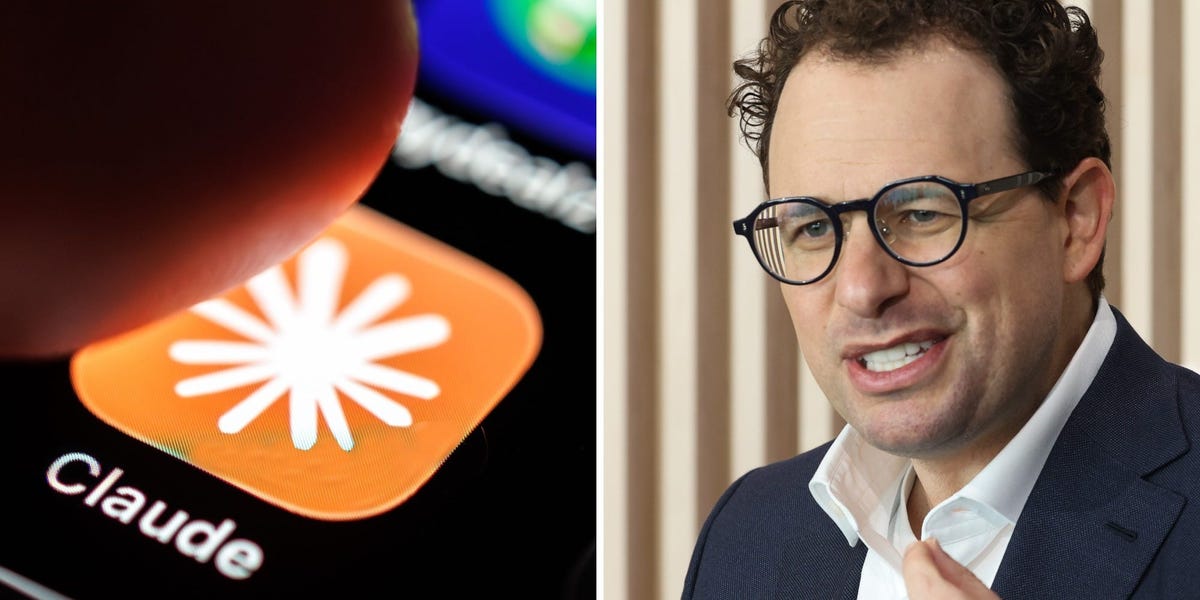
For nearly two years, OpenAI has held a near-monopoly on the corporate consciousness regarding generative AI. However, fresh data from expense management platform Ramp reveals that the tide may be shifting. According to Ramp’s latest AI index, Anthropic—the developer behind the Claude model family—is rapidly closing the gap on OpenAI in terms of enterprise spending, signaling a significant pivot in corporate adoption patterns.
While OpenAI’s ChatGPT remains a staple in many corporate workflows, the data suggests that businesses are increasingly diversifying their AI portfolios. This trend points to a maturing market where enterprise buyers are prioritizing model performance, safety, and integration capabilities over first-mover advantage.
The Data: A Narrowing Gap
Ramp’s internal tracking of company spending provides a unique window into the "real-world" adoption of AI tools. By analyzing the transaction data of its broad customer base, Ramp has identified a clear upward trajectory for Anthropic. While the specific dollar figures remain proprietary, the trend line indicates that Anthropic’s share of the enterprise AI wallet has surged significantly in recent months.
This shift is particularly notable given the entrenched position of OpenAI. For many organizations, the integration of GPT-4 into existing software stacks created a high barrier to entry for competitors. Anthropic’s ability to erode this lead suggests that its Claude 3.5 Sonnet and Opus models are resonating deeply with technical teams and enterprise developers, who often favor the model’s nuanced reasoning and coding capabilities.
Why This Matters for Investors and Traders
For market participants, this shift in spending is a critical indicator of the "AI arms race" moving into its second phase. The initial phase was defined by explosive growth in demand for any generative AI tool; the current phase is defined by substitution and optimization.
Investors tracking the AI sector should look at these spending shifts as a leading indicator of long-term software revenue. If Anthropic continues to capture a larger share of enterprise expenditure, it strengthens their valuation and poses a direct threat to OpenAI’s long-term revenue growth. Furthermore, this trend suggests that the "moat" surrounding large language models is thinner than previously anticipated, as corporations demonstrate a willingness to switch providers based on performance metrics rather than brand loyalty.
Market Implications and Strategic Shifts
Historically, enterprise software markets tend to move toward a multi-vendor environment. The data from Ramp confirms this transition is happening in real-time. Companies are no longer relying on a single AI provider; they are deploying a "best-of-breed" strategy. This is a positive development for the broader tech ecosystem, as it fosters competitive pressure that tends to drive down costs and accelerate the pace of innovation.
For traders, the broader implication is that the AI trade is no longer just about the hardware (Nvidia) or the primary incumbent (OpenAI/Microsoft). It is about the software layer where the battle for productivity gains is being fought. As Anthropic garners more corporate capital, its potential for future public offerings or strategic partnerships becomes a more relevant variable in the tech investment thesis.
What to Watch Next
As we move into the next quarter, market observers should monitor whether this spending trend translates into broader market share gains for Anthropic in the developer ecosystem. Key metrics to watch include the frequency of API usage, the complexity of tasks being routed to Claude versus GPT-4, and any shifts in enterprise licensing agreements.
While OpenAI remains the incumbent to beat, the narrowing spending gap confirms that the generative AI market is far from a settled landscape. The ability of Anthropic to scale its infrastructure to meet this surge in demand—and sustain the loyalty of enterprise clients—will be the defining narrative of the coming fiscal year.