The Art of Staying Rational
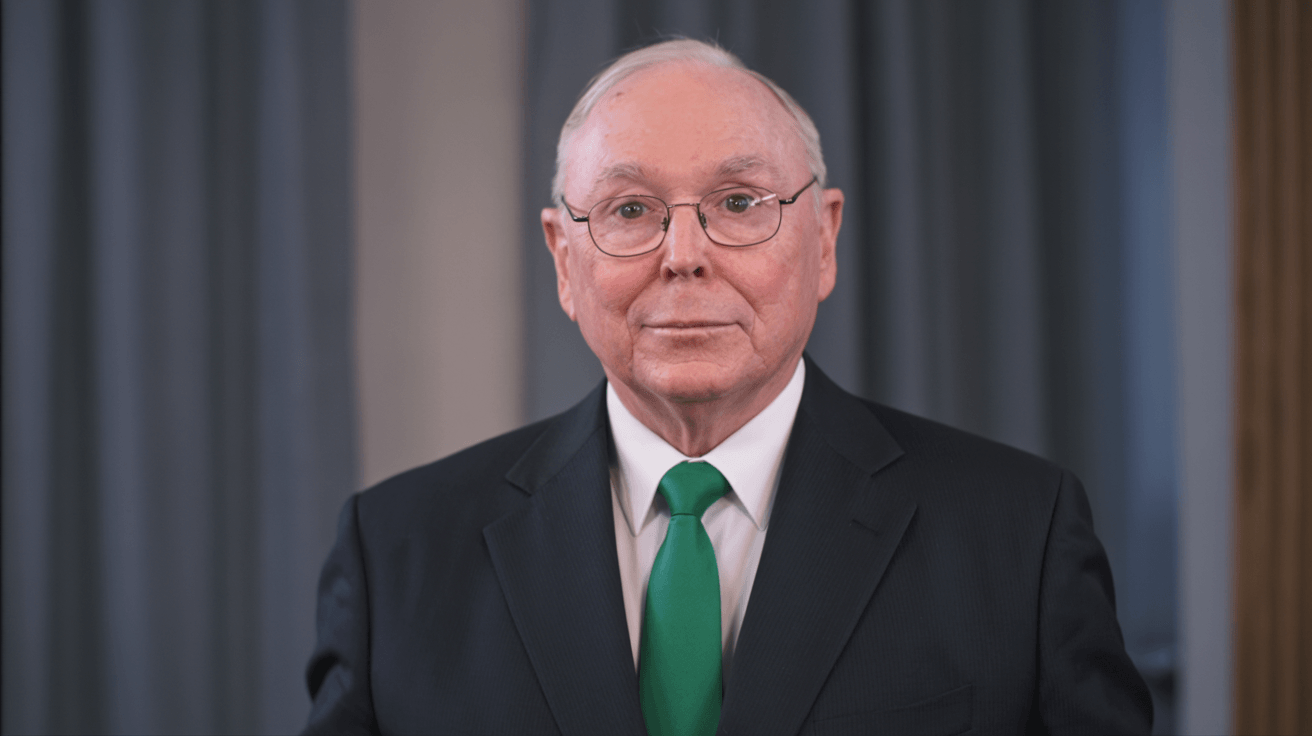
Charlie Munger, the late Vice Chairman of Berkshire Hathaway and long-time partner to Warren Buffett, spent decades refining an approach to decision-making that prioritized emotional detachment. He viewed the ability to remain calm during market volatility as a competitive advantage. For Munger, panic was not just a human reaction; it was a fundamental error that eroded long-term wealth.
He famously argued that the primary obstacle to successful investing isn't the market itself, but the investor's own temperament. Munger’s philosophy centered on the idea that if you cannot keep your head while others are losing theirs, you have no business playing the game.
Core Principles of Munger’s Temperament
Munger’s approach to maintaining composure relied on specific cognitive habits. He avoided the trap of short-term thinking, preferring to view market swings as inevitable noise rather than signals for action. His discipline allowed him to sidestep the reactive behaviors that often plague retail and institutional investors alike.
Key strategies for maintaining a rational mindset include:
- Detachment from current prices: Viewing market quotes as a tool, not a reflection of intrinsic value.
- Patience: Waiting for the right opportunity rather than forcing trades.
- Intellectual honesty: Admitting when you don't know the answer or when a thesis has failed.
- Preparation: Studying history to understand that market cycles repeat.
Why Emotions Kill Returns
Market history shows that fear and greed are the primary drivers of poor portfolio performance. When traders obsess over daily price fluctuations, they often abandon sound strategies at the worst possible time. Munger believed that rationality is a moral duty for anyone managing capital. He viewed the impulse to 'do something' during a downturn as a failure of character.
| Behavioral Trait | Impact on Portfolio |
|---|
| Panic Selling | Locks in losses |
| Overconfidence | Leads to excessive risk |
| Short-termism | Increases transaction costs |
| Emotional Bias | Blinds investors to value |
"A lot of people with high IQs are terrible investors because they’ve got terrible temperaments. You need to keep your head when everyone else is losing theirs." — Charlie Munger
Applying Munger’s Wisdom Today
Modern investors, whether tracking the market analysis or monitoring specific assets, often find themselves overwhelmed by the speed of information. Munger’s life serves as a reminder that the loudest signals are rarely the most important. He often suggested that the best way to handle a crisis is to prepare for it before it happens so that you are not forced to make decisions under duress.
Traders who struggle with volatility might consider Munger’s advice to step back from the screen. If you feel the need to check your accounts hourly, you are likely over-exposed or under-prepared. Munger didn't believe in checking the gold profile or crude oil profile for daily validation. Instead, he focused on the underlying health of the businesses he owned.
What to Watch
Moving forward, the ability to maintain a 'Munger-like' temperament will likely differentiate successful market participants from those who react to every headline. Watch how institutions handle upcoming volatility. Those who remain grounded in long-term data will likely outperform those chasing short-term momentum. In a world of instant feedback, the quiet, deliberate investor remains the most dangerous.