Macro● Neutral
How the RMS Carpathia Saved 705 Titanic Survivors
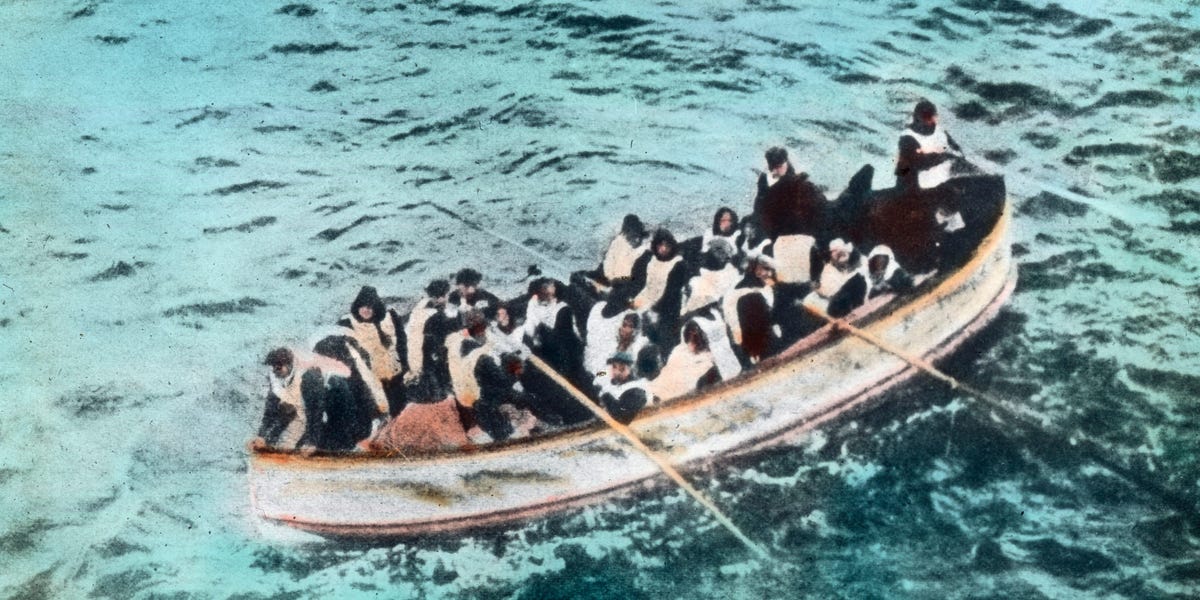
Captain Arthur Rostron navigated 58 miles of ice to reach the sinking liner by 4:00 a.m. This historic rescue remains a case study in crisis management.
Continue with
The Night the Carpathia Changed History
One hundred and fourteen years ago, the maritime world witnessed a rescue mission that remains etched in history. The RMS Carpathia, a Cunard Line steamer, answered the distress calls of the RMS Titanic after the luxury liner struck an iceberg in the North Atlantic. The mission resulted in the recovery of more than 700 survivors from the freezing waters.
The Timeline of the Rescue
When the Titanic signaled its peril in the early hours of April 15, 1912, the Carpathia was roughly 58 miles away. Captain Arthur Rostron diverted his vessel immediately, pushing the engines to their limit to reach the coordinates. The ship arrived on the scene at approximately 4:00 a.m., only to find the Titanic had already disappeared beneath the surface.
"The Carpathia’s crew navigated through dangerous ice fields in total darkness to reach the lifeboats, effectively averting a total loss of life for those who had escaped the sinking ship."
Operational Data of the Relief Effort
Historical records from the event provide a clear picture of the scale of the operation managed by the Carpathia crew. The ship's facilities were repurposed to accommodate the traumatized survivors, providing medical care and warmth to those pulled from the lifeboats.