The New Frontier of Consumer Wellness
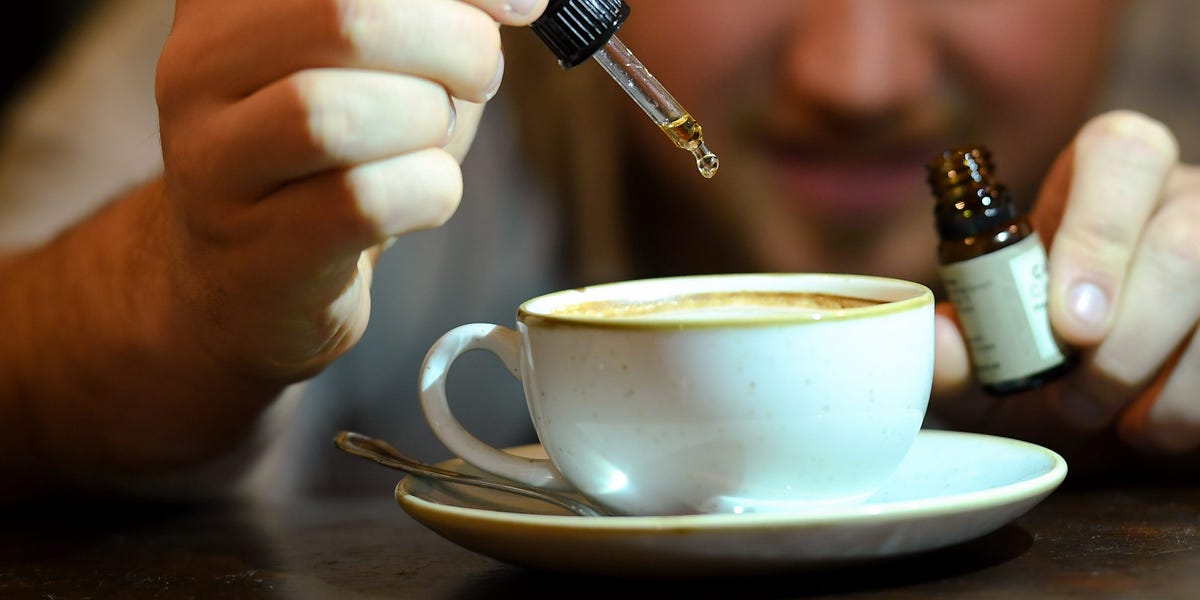
For decades, the beverage industry was defined by a simple dichotomy: hydration or indulgence. Today, that binary has been shattered by a burgeoning category known as 'functional beverages.' Consumers are increasingly viewing their daily drinks not merely as refreshment, but as a deliberate DIY wellness ritual designed to optimize cognitive function, gut health, and emotional state. As demand for these performance-enhancing elixirs accelerates, a new gold rush is underway, with both legacy conglomerates and agile startups racing to secure their share of the market.
This shift represents a fundamental change in consumer behavior. The modern shopper is no longer satisfied with empty calories or basic hydration; they are seeking tangible, physiological benefits from their consumables. From adaptogenic teas aimed at cortisol regulation to probiotic-infused seltzers promising improved microbiome health, the shelf space at major retailers is undergoing a rapid metamorphosis.
Why the Functional Shift Matters for Investors
For market participants, the functional beverage sector provides a compelling case study in changing consumer preferences. Unlike the fad-driven trends of the past, this movement is backed by a consistent pivot toward proactive health management. As the global population ages and the 'biohacking' trend moves from niche enthusiast circles to the mainstream, the total addressable market for beverages that offer functional benefits is expanding at a significant clip.
However, the rapid entry of new players creates a high-stakes environment. Companies that fail to differentiate their branding or substantiate their health claims risk being squeezed out of a crowded shelf space. Conversely, those that successfully blend proprietary formulations with strong lifestyle branding are seeing increased valuation multiples. Investors should pay close attention to the R&D pipelines of both beverage giants and upstart health brands, as the 'moat' in this industry is increasingly built on proprietary ingredient science and consumer trust.
The Psychology of the 'DIY Wellness' Routine
The success of the functional beverage category is rooted in the ease of integration. Unlike complex supplement stacks or restrictive diets, a drink is a low-friction entry point into a wellness routine. By layering health benefits into an existing habit—such as a morning coffee or an afternoon refreshment—brands are effectively lowering the barrier to entry for health-conscious consumers who are time-poor but wellness-focused.
This trend is also a response to the increased awareness of the gut-brain axis. As scientific research continues to highlight the link between microbiome health and mental clarity, consumers are proactively seeking out ingredients like prebiotics, turmeric, L-theanine, and medicinal mushrooms. Companies that can effectively communicate the 'why' behind these ingredients are finding that consumers are willing to pay a significant premium over traditional soft drinks or juices.
Market Implications and Forward-Looking Trends
What does this mean for the broader consumer staples sector? We are likely to see a continued wave of M&A activity as larger beverage conglomerates seek to acquire established functional brands to revitalize their portfolios. For traders, this creates opportunities to monitor potential acquisition targets that demonstrate high growth and strong customer loyalty.
Looking ahead, the next phase of this evolution will likely involve increased scrutiny regarding health claims. As the FDA and global regulators tighten their oversight of functional food and drink marketing, companies that rely on transparent, peer-reviewed data to support their product claims will be the ones that sustain long-term growth. Investors should monitor how these firms navigate regulatory hurdles, as the ability to scale while maintaining compliance will ultimately separate the industry winners from the losers. Keep an eye on how established players adjust their legacy product lines to incorporate these 'wellness' elements—this will be the ultimate litmus test for their ability to adapt to the new consumer reality.