Macro● Neutral
How Bulk-Buying at COST Fueled a 60-Pound Transformation
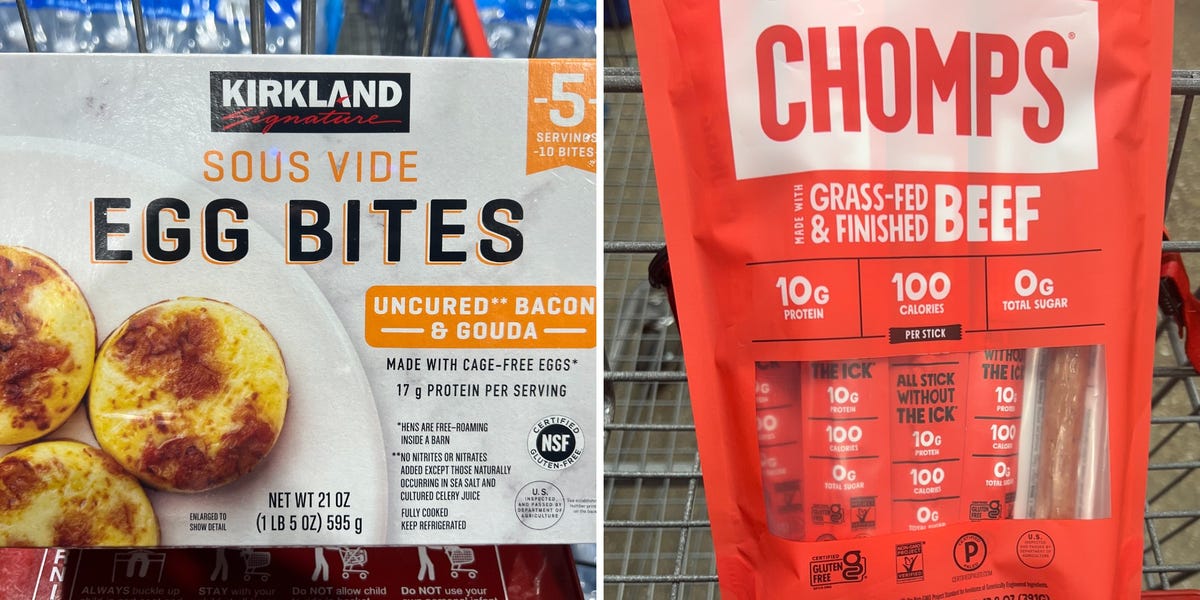
Strategic wholesale procurement of protein staples enabled a 60-pound weight loss. Expect resilient demand for bulk retailers as consumers prioritize value.
Continue with
The Strategic Advantage of Bulk Nutrition
In the high-stakes world of performance nutrition, the barrier to entry is often perceived as a prohibitive price point. However, a recent case study involving an athlete who successfully shed over 60 pounds in a single calendar year suggests that fiscal discipline and dietary consistency are not mutually exclusive. By leveraging the wholesale model, specifically through Costco, this individual demonstrated that macro-nutrient management can be optimized on a restricted budget.
For traders and high-performers alike, the principle remains constant: efficiency is the engine of growth. While the retail market often marks up health-focused consumables by significant margins, wholesale channels like Costco provide a hedge against the rising costs of protein-dense foods. This approach allowed for the sustained caloric deficit necessary to achieve a major physical transformation without sacrificing nutritional integrity.
The Core Portfolio: 7 Costco Staples
To maintain a consistent metabolic rate while managing costs, the strategy centered on seven key products available through Costco’s Kirkland Signature brand and partner suppliers. Central to this nutritional regimen were Kirkland Signature protein bars and Muscle Milk protein shakes.
These items served as the primary "liquid assets" in the diet plan, providing high-protein, low-friction supplementation that ensured muscle preservation during the aggressive 60-pound weight loss phase. By sourcing these in bulk, the athlete was able to avoid the volatility of individual retail pricing, effectively lowering the "cost per gram" of protein intake. This methodical approach to food procurement mimics the diversification strategies often seen in portfolio management—securing essential, high-quality components in bulk to mitigate the impact of fluctuating market prices.