The Digital Floor Walker: How AI Is Transforming the Physical Retail Experience

Retailers are increasingly deploying AI to solve the perennial problem of floor-staff shortages, using technology to bridge the gap between digital efficiency and physical customer service.
The Retail Paradox: High Traffic, Low Availability
For the modern brick-and-mortar retailer, the Saturday afternoon rush is both a blessing and a operational nightmare. Take a store like Guitar Center: when the floor is packed, sales associates are inevitably stretched thin, leaving customers to choose between waiting indefinitely for assistance or abandoning their purchase entirely. This friction point is the classic retail bottleneck, but it is now at the center of a technological pivot as artificial intelligence moves from the e-commerce backend to the physical sales floor.
Retailers are increasingly deploying AI-driven solutions to bridge the gap between human staff shortages and the demand for personalized, instantaneous service. By integrating advanced software into the shopping experience, companies are attempting to replicate the efficiency of digital platforms within the four walls of a physical outlet.
Bridging the Gap: AI as a Force Multiplier
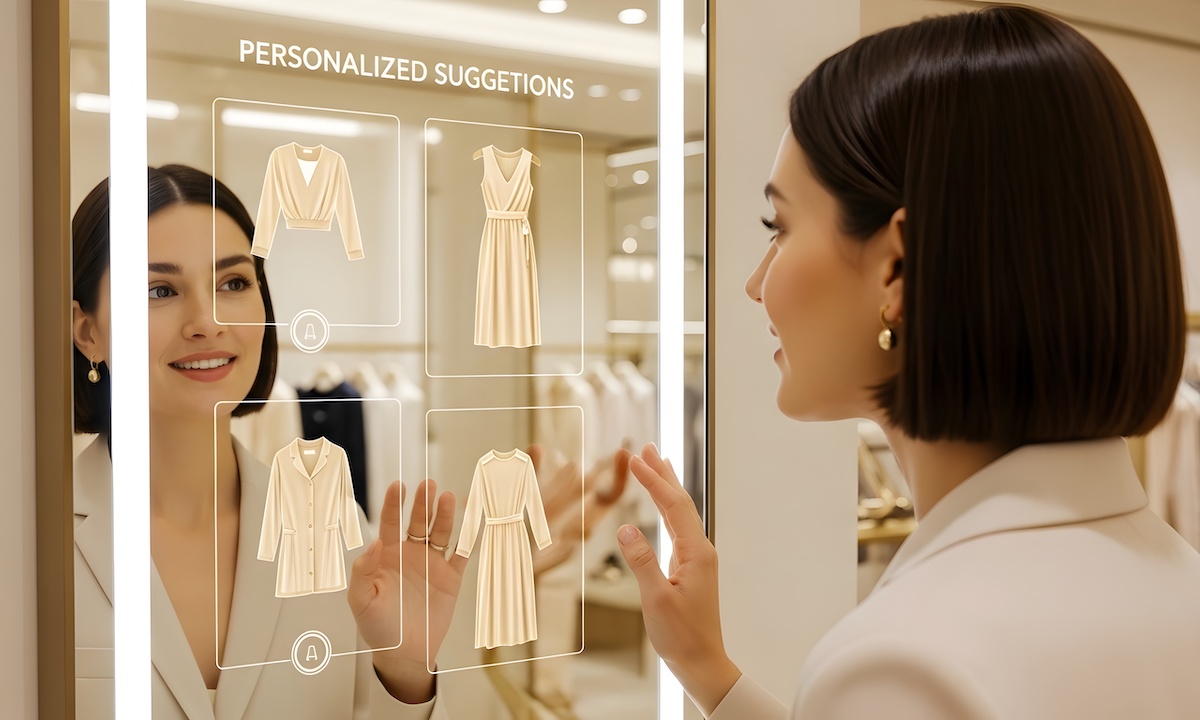
The implementation of AI in retail is no longer confined to inventory management or demand forecasting. It is evolving into a customer-facing utility. For the average consumer, this means interacting with intelligent kiosks, augmented reality (AR) product demonstrations, and real-time inventory tracking that provides the kind of immediate feedback previously reserved for online shopping.
For the retailer, this shift is essential for survival. As labor costs rise and the talent pool for retail floor staff fluctuates, AI acts as a force multiplier. By automating routine inquiries—such as product availability, technical specifications, or basic "how-to" guidance—retailers allow their human staff to focus on high-value interactions, such as closing complex sales or providing expert advice that requires human nuance.
Market Implications: Productivity and Margin Expansion
For investors and market analysts, the push toward AI-integrated retail is a clear indicator of a broader trend toward operational efficiency. The retail sector has historically struggled with thin margins and high overhead costs related to human capital. By deploying AI to manage the "first mile" of customer interaction, retailers are effectively reducing the cost-per-acquisition inside the store.
Furthermore, the data generated by these AI interactions provides a goldmine of consumer intelligence. Retailers can now track not just what a customer buys, but what they ask about, what products they compare, and where they lose interest. This granular data allows for more precise inventory stocking and targeted promotional strategies, potentially leading to improved inventory turnover ratios and reduced waste.
The Competitive Landscape
The adoption of these technologies is creating a bifurcated market. Retailers that successfully integrate AI into their physical footprint are likely to see higher conversion rates and improved customer retention. Conversely, those that remain tethered to traditional, labor-intensive models risk becoming "showrooms" where customers browse but eventually transact elsewhere due to poor service levels.
However, the transition is not without risk. The challenge lies in the execution. If an AI interface is clunky, unintuitive, or fails to provide accurate information, it can alienate customers faster than an overworked sales associate. The key for management teams will be finding the equilibrium where technology enhances, rather than replaces, the essential human touch that justifies the existence of physical retail.
Looking Ahead: The Next Phase of In-Store Tech
As we look toward the coming quarters, the metrics to watch are clear: same-store sales growth, labor efficiency ratios, and customer satisfaction scores in stores that have undergone AI integration. The next phase of this evolution will likely involve more sophisticated computer vision and generative AI capable of providing real-time, conversational product recommendations that rival the expertise of veteran sales staff.
Ultimately, the retail floor of the future is not a replacement for human interaction, but a high-tech environment where AI manages the logistics of the sale, leaving the human associate free to deliver the experience.