Escalating Geopolitical Risk Reshapes the Energy Narrative
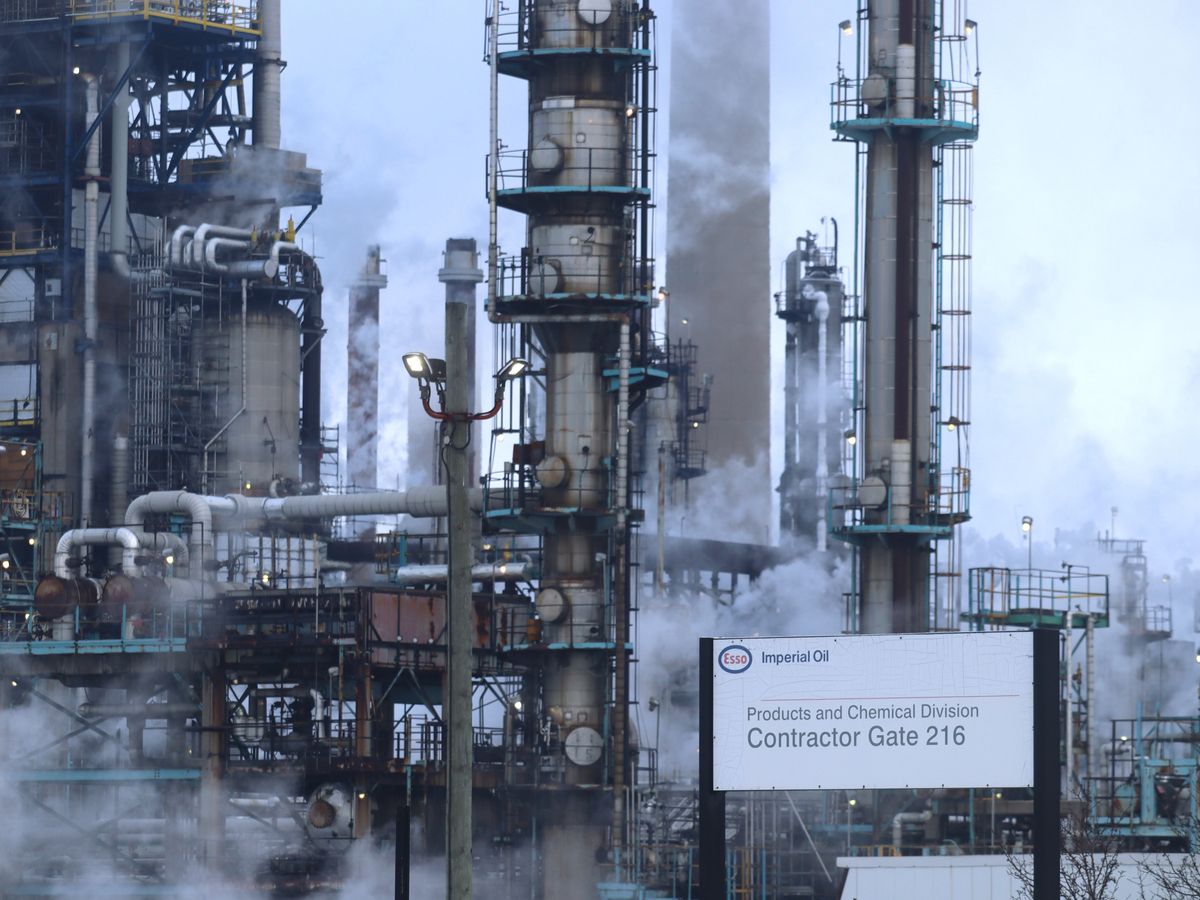
The global energy landscape is bracing for a potential supply shock as tensions in the Middle East reach a boiling point. With the Strait of Hormuz—the world’s most critical maritime oil chokepoint—increasingly viewed as a strategic flashpoint in the ongoing Iran crisis, market analysts are recalibrating their outlooks for North American energy producers. Among the most significant beneficiaries of this heightened volatility is a major TSX-listed oilsands operator, which analysts suggest could see its share price climb by as much as 20% should the conflict result in a sustained disruption of crude flows.
This projection comes amid a broader reassessment of the energy sector’s valuation models. As geopolitical risk premiums rise, the disconnect between robust earnings outlooks and current market pricing has become a focal point for institutional investors. For traders, the thesis is straightforward: as global supply security becomes a primary concern, producers with stable, long-life assets in North America are increasingly being viewed as defensive hedges against energy price spikes.
The RBC Perspective: A Shift in Global Strategy
In its latest update to the ‘Top 30 Global Ideas’ list, RBC Capital Markets signaled a strategic pivot, highlighting the resilience of companies that can maintain operational discipline while navigating macroeconomic uncertainty. The firm’s analysis underscores a recurring theme in the current market cycle: the 'strange case' of falling valuations occurring simultaneously with rising earnings outlooks.
This phenomenon suggests that while the broader market remains cautious—perhaps due to fears of a slowdown or interest rate sensitivities—the fundamental cash-flow generation of top-tier energy companies remains remarkably strong. By including this specific TSX oilsands major in their top global picks, RBC is effectively betting that the market has mispriced the durability of these firms in an environment where geopolitical leverage is shifting back toward domestic production.
Market Implications: Why the Strait of Hormuz Matters
For the uninitiated, the Strait of Hormuz facilitates the transit of approximately 20% of the world’s total oil consumption. Any tactical move by Iran to restrict passage, or even the credible threat of such action, creates an immediate supply-side shock that propagates through global Brent and WTI pricing.
For investors, the implications are twofold. First, a 20% upside potential in a major oilsands name implies a significant expansion in free cash flow multiples, which the market has been hesitant to grant during the recent period of cooling commodity prices. Second, the correlation between oilsands equities and geopolitical volatility is currently at a localized high. Traders should look for increased volume in these names as a signal that institutional capital is rotating out of more sensitive tech-heavy indices and into tangible, inflation-hedging assets.
What to Watch Next: Volatility and Valuation
As the situation in the Middle East continues to develop, the primary metric for traders to monitor is the spread between WTI and Brent crude. A widening spread often benefits North American producers who are insulated from the shipping costs and logistical nightmares plaguing the Middle East.
Furthermore, investors should keep a close eye on the next round of earnings reports. If the trend of rising earnings outlooks continues despite the market’s current valuation 'funk,' we are likely to see a sharp re-rating of the sector. The 20% upside target is not merely a product of geopolitical fear; it is a calculation based on the underlying strength of the company’s balance sheet and its ability to return capital to shareholders even in a volatile pricing environment. In the coming sessions, anticipate that any headline news regarding tankers or regional military movements will act as a primary catalyst for price action in Canadian energy equities.