A Strategic Pivot in the Infrastructure Landscape
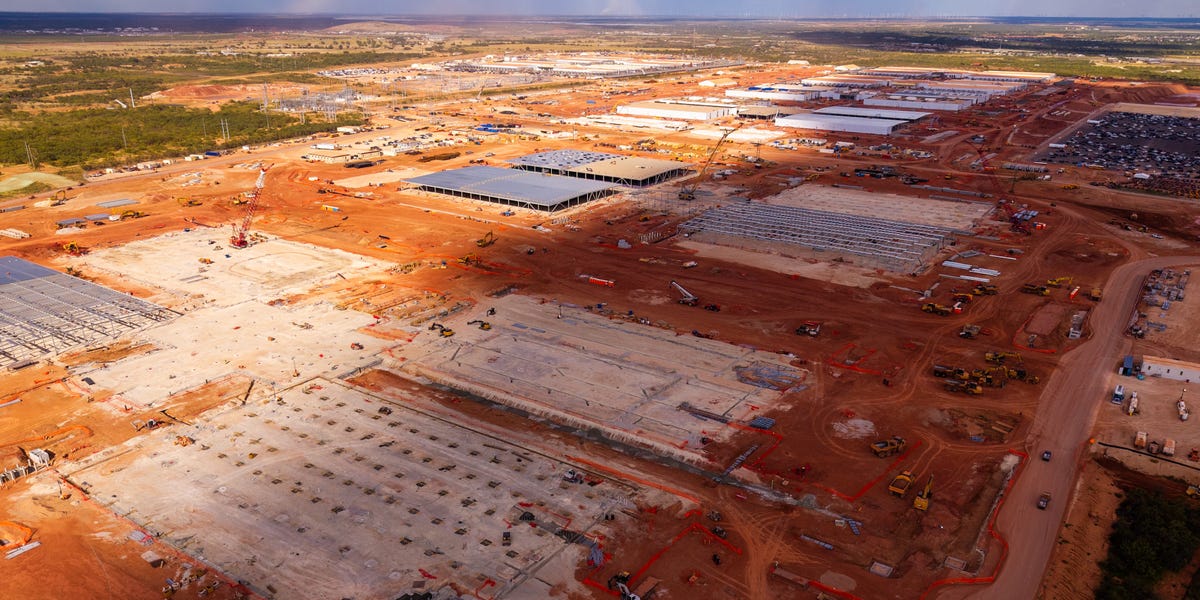
In a striking reflection of the shifting economic priorities driven by the artificial intelligence revolution, Target Hospitality Corp. has announced a definitive $550 million agreement to provide specialized housing solutions for the workforce constructing a massive data center in Texas. The deal, which involves the development of a facility capable of housing 4,000 workers, marks a significant departure for a company historically recognized for its role in operating government-contracted detention centers and remote workforce lodging.
This transition highlights a broader, often overlooked trend in the AI boom: the immense physical infrastructure requirements that extend far beyond the silicon chips and cloud software currently dominating headlines. As hyperscalers and tech giants race to secure land and power for AI-ready data centers, the necessity for localized, high-capacity housing for construction crews has created a lucrative new vertical for firms traditionally operating in the niche remote-services sector.
Beyond the Tech Sector: The Secondary Beneficiaries
Target Hospitality’s move is a prime example of the 'pick-and-shovel' economic strategy playing out on the ground. While investors have been fixated on NVIDIA, Microsoft, and Alphabet, the secondary effects of the AI build-out are invigorating industries that were previously considered tangential to technology.
Construction of modern data centers is a labor-intensive, multi-year endeavor. Because these facilities are often sited in rural or semi-rural areas to take advantage of cheaper land and proximity to power substations, the demand for 'man camps'—temporary, self-contained living facilities—has skyrocketed. By pivoting its operational expertise from government-funded detention and emergency response settings to the private-sector data center market, Target Hospitality is essentially capitalizing on the massive capital expenditure (CapEx) cycle currently underway in the US energy and tech sectors.
Market Implications: What This Means for Investors
For traders and institutional investors, the $550 million contract serves as a tangible metric for the scale of the AI infrastructure build-out. It underscores that the 'AI trade' is not merely a software or semiconductor phenomenon; it is a massive industrial undertaking that requires a physical supply chain.
Analysts note that companies capable of providing rapid, scalable, and secure workforce housing are becoming essential partners to the primary contractors of these mega-projects. This shift suggests that the duration of the data center construction cycle could provide a multi-year revenue tailwind for firms like Target Hospitality, effectively insulating them from the volatility of government policy shifts regarding border detention facilities.
The Road Ahead: Monitoring the AI CapEx Cycle
Investors looking to gauge the health of the AI infrastructure boom should watch for further announcements regarding secondary support services. The success of this Texas-based project may set a precedent for how other specialized hospitality and logistics firms pivot to capture demand from the tech sector.
Moving forward, the key watch-point will be the timeline for project completion and whether this $550 million contract acts as a proof-of-concept for similar deals across the Sun Belt, where land availability and grid access have made data center development particularly attractive. As the race to build AI capacity intensifies, the companies that successfully bridge the gap between traditional industrial labor support and the high-tech requirements of the new economy will likely be the ones to watch.