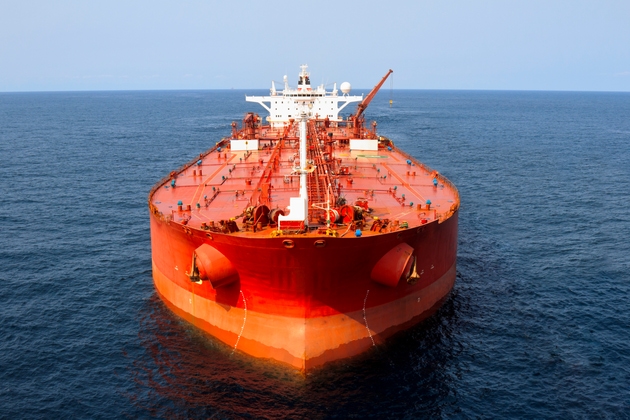
Market Reaction to Geopolitical Escalation
Shipping and tanker equities surged across the board today after the United States military initiated a naval blockade of Iranian ports. The move follows the sudden collapse of peace negotiations over the weekend, sparking immediate concerns regarding the flow of global energy supplies through the Strait of Hormuz.
Investors moved quickly to price in the disruption, sending shares of major tanker operators higher. Frontline (FRO) led the charge as traders anticipated a sharp reduction in vessel availability and a subsequent jump in freight rates. This sector remains a primary focus for those conducting stock market analysis during periods of heightened geopolitical tension.
Supply Chain Disruption and Freight Costs
With the Strait of Hormuz serving as a critical chokepoint for global oil transit, the blockade threatens to choke off a significant portion of daily seaborne crude exports. Analysts expect the restriction of vessel movement to create a scramble for available capacity.
"The immediate impact of a blockade in this region is a tightening of the global tanker fleet. When supply chains are bottlenecked, the premium on operational vessels increases overnight," noted one veteran analyst.
Key Sector Metrics
| Metric | Impact of Blockade |
|---|
| Freight Rates | Likely to spike |
| Vessel Utilization | Expected to increase |
| Transit Times | Will lengthen significantly |
| Global Oil Supply | Potential for immediate shortfall |
Implications for Energy Traders
Energy markets are already reflecting the volatility. Traders who typically monitor the NVIDIA profile or tech-heavy indices are shifting their attention to the energy sector, where the disruption of tanker traffic could lead to higher commodity prices. The uncertainty surrounding how long the blockade will remain in effect forces firms to recalculate their logistics costs and inventory projections.
- Frontline (FRO): Shares moved sharply upward in early trading.
- Energy Prices: Expected to remain volatile as the market assesses the duration of the supply disruption.
- Shipping Capacity: Reduced access to Iranian ports will force operators to reroute, consuming more fuel and time.
What to Watch
Market participants should watch for further statements from the White House regarding the scope of the blockade. If the situation continues to deteriorate, the pressure on global fuel prices will grow. Traders should remain focused on the duration of the naval presence and any potential retaliatory measures that could affect broader trade routes.
Investors interested in how these events impact income-generating assets may want to review the recent Special Opportunities Fund Sets Q2 Distribution Schedule for context on how market volatility affects fund distributions.