Navigating Market Turbulence
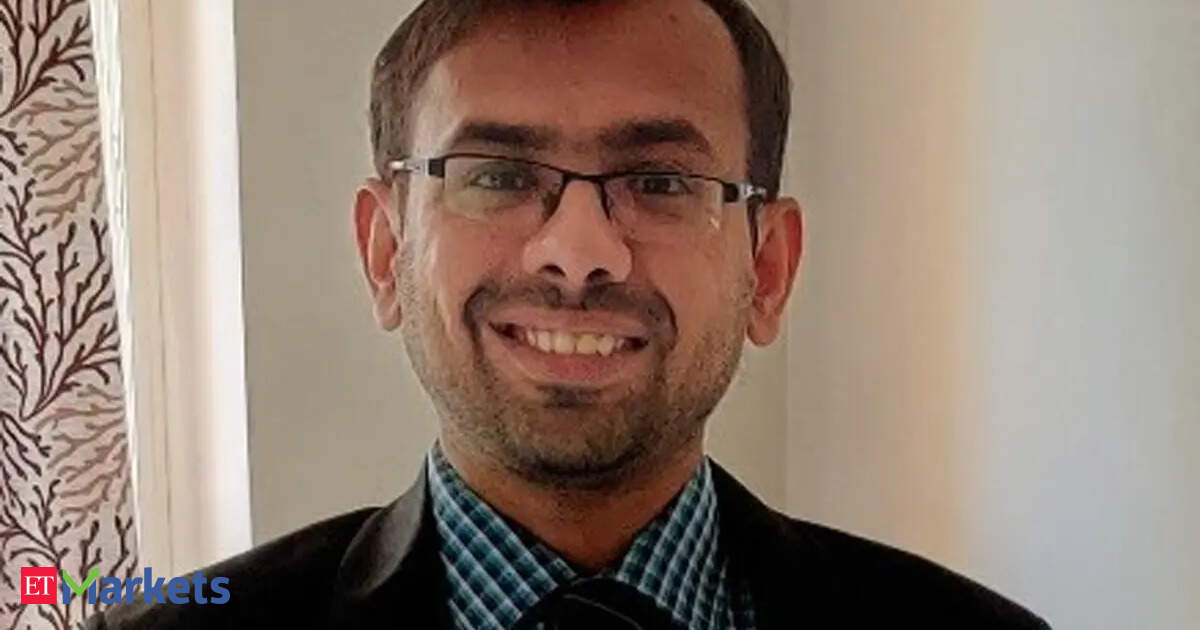
In an era defined by heightened geopolitical friction and the lingering specter of trade protectionism, the global equity landscape has become increasingly treacherous for the undisciplined retail participant. As macroeconomic headwinds threaten to compress margins and dampen sentiment, the search for alpha has shifted from speculative growth plays to a disciplined hunt for structural quality. Aditya Shah, a principal at Hercules Advisors, is urging investors to pivot toward businesses with robust balance sheets and resilient competitive moats.
For institutional and retail traders alike, Shah’s thesis is clear: volatility is not a signal to exit, but an opportunity to accumulate high-quality assets at valuations that have been unfairly penalized by broader market anxiety.
The Bull Case for Financial Services
Among the segments currently sitting at the top of Shah’s watchlist is the financial services sector, specifically banking, insurance, and asset management. Leading the pack is HDFC Bank. Despite the broader cooling in consumer lending sentiment, Shah identifies HDFC Bank as a cornerstone holding for those looking to weather the current cycle.
“Investors should focus on quality companies with strong fundamentals,” says Shah. The logic here is rooted in the bank’s historical ability to manage credit cycles while maintaining superior net interest margins. Beyond the retail banking behemoth, the broader financial services ecosystem—specifically insurance and asset management—remains a high-conviction area. As household savings in emerging markets continue to shift toward financial instruments, firms in these sectors are positioned to benefit from a long-term, secular tailwind that remains largely decoupled from short-term geopolitical noise.
Cyclical Challenges vs. Structural Alpha
While the financial sector offers a defensive cushion, Shah acknowledges that other pockets of the market are currently navigating a more difficult terrain. Chemical and pharmaceutical stocks, in particular, appear to be facing immediate-term headwinds. These sectors have been sensitive to supply chain disruptions and input cost volatility, leading to a period of consolidation.
However, Shah cautions against conflating cyclical weakness with structural decline. He maintains that both the chemical and pharma industries remain structurally sound. For the long-term investor, the current price action in these sectors may represent a classic ‘value trap’ for the impatient, but a compelling entry point for those with a longer time horizon. The key for traders is to distinguish between companies with persistent margin compression and those merely enduring a temporary dip in demand.
The IT Sector: A Patient Play
Perhaps the most debated segment in the current climate is the Information Technology sector. Following a period of aggressive repricing, IT stocks have seen their valuations compress, reflecting concerns over enterprise technology spending and the potential for a global economic slowdown.
Shah posits that for patient buyers, the current valuations in the IT space are beginning to look attractive. Tech giants, characterized by their deep cash reserves and high recurring revenue models, are often the first to be sold off during risk-off periods. However, as the digital transformation of global industry remains an ongoing imperative, the long-term demand for these service providers is unlikely to evaporate. For those willing to look past the quarterly earnings noise, the current entry levels offer a favorable risk-reward profile.
Looking Ahead: What Matters for Investors
As the market continues to grapple with the interplay of interest rate expectations and geopolitical instability, the guidance from Hercules Advisors remains grounded in fundamental analysis. The prevailing strategy should not be one of market timing, but of sector rotation into high-quality, cash-generative businesses.
Traders and investors should closely monitor upcoming quarterly guidance from the IT and banking sectors to gauge whether management teams remain confident in their growth outlooks despite the macro environment. While the temptation to react to every geopolitical headline is high, the data suggests that superior returns are generated by those who maintain a focus on underlying business resilience. In the current climate, quality is not just a defensive play—it is the ultimate driver of long-term alpha.