A High-Stakes Diplomatic Sprint
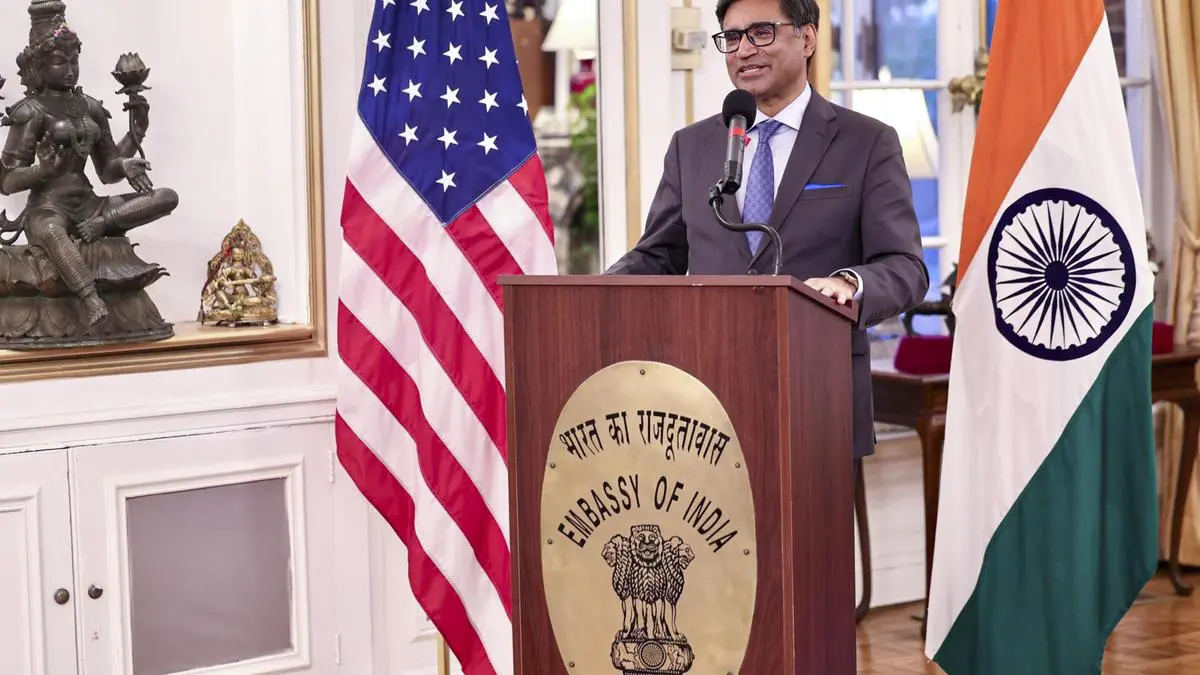
Indian Foreign Secretary Vikram Misri has arrived in Europe for a critical series of high-level engagements in France and Germany. This diplomatic mission marks the final leg of a wider international tour, following intensive consultations in Washington, D.C., where Misri met with U.S. Secretary of State Marco Rubio and a cadre of senior officials within the incoming Trump administration.
As West Asia faces escalating geopolitical instability, Misri’s European agenda is heavily weighted toward three pillars: energy security, defense cooperation, and the recalibration of trade corridors. With the global supply chain landscape shifting and the specter of regional conflict looming over energy markets, New Delhi is positioning itself as a vital strategic partner for both the transatlantic alliance and the broader Indo-Pacific theater.
The Washington Prelude
Before touching down in Europe, Misri’s time in the United States served as a foundational exercise in aligning expectations with the new administration in Washington. His meetings with Secretary Rubio and other Trump-appointed officials were focused on maintaining the trajectory of the India-U.S. strategic partnership.
For traders and analysts, the continuity of this relationship is paramount. India’s role as a balancing power in Asia has become increasingly central, and the discussions in Washington reportedly touched upon maintaining stable trade flows and defense interoperability. By moving directly from these U.S. briefings to European capitals, Misri is effectively acting as a bridge, ensuring that India’s strategic objectives remain synchronized across both sides of the Atlantic.
The European Focus: Energy and Defense
In Paris and Berlin, the conversation shifts from broad geopolitical alignment to specific industrial and security deliverables. France and Germany remain two of India’s most significant partners in the European Union, particularly in the realm of high-end manufacturing and defense technology.
Energy security is arguably the most pressing item on the agenda. Given the ongoing crisis in West Asia, which historically serves as a volatile pressure cooker for global crude oil prices, India is seeking to hedge its energy dependencies. Discussions in Germany, a nation currently overhauling its own energy infrastructure, are expected to focus on long-term energy transition projects and the diversification of supply chains. France, meanwhile, remains a critical partner for India in nuclear energy and maritime security, vital components of India's long-term energy independence plan.
Market Implications: Why It Matters
For investors and market participants, Misri’s diplomatic shuttle carries significant implications for several sectors:
- Defense Equities: Increased cooperation with French and German defense firms could signal a boost for joint production ventures. Investors tracking the defense sector should watch for potential technology-transfer agreements that could benefit Indian domestic manufacturers.
- Energy Markets: Any movement toward formalizing energy trade agreements between India and European partners during this crisis period could provide a buffer against supply-side shocks emanating from West Asia.
- Macro-Economic Stability: By strengthening ties with the EU’s largest economies, India is securing its position within the G20 and beyond, providing a layer of stability that is attractive to institutional capital looking for emerging market growth insulated from regional conflict zones.
Looking Ahead
As the crisis in West Asia continues to evolve, the outcomes of Misri’s meetings will serve as a bellwether for how the 'Global South' intends to navigate the competing interests of Western powers. Markets should monitor the post-visit communiqués from Berlin and Paris for any concrete timelines regarding trade agreements or defense procurement shifts.
Ultimately, New Delhi’s strategy is clear: it is leveraging its diplomatic weight to ensure that regardless of how the geopolitical landscape shifts, its national interests—specifically in energy and defense—remain protected through deepened, institutionalized relationships with the core centers of Western power.