Back to Markets
Macro● Neutral

Starmer Distances UK from Trump’s Iran Rhetoric, Highlighting Geopolitical Divergence

April 10, 2026 at 12:36 PMBy AlphaScalaSource: livemint.com
Starmer Distances UK from Trump’s Iran Rhetoric, Highlighting Geopolitical Divergence

British Prime Minister Keir Starmer has publicly distanced his government from President-elect Donald Trump’s aggressive rhetoric toward Iran, citing a conflict with fundamental British values and signaling potential geopolitical friction.

A Diplomatic Friction Point

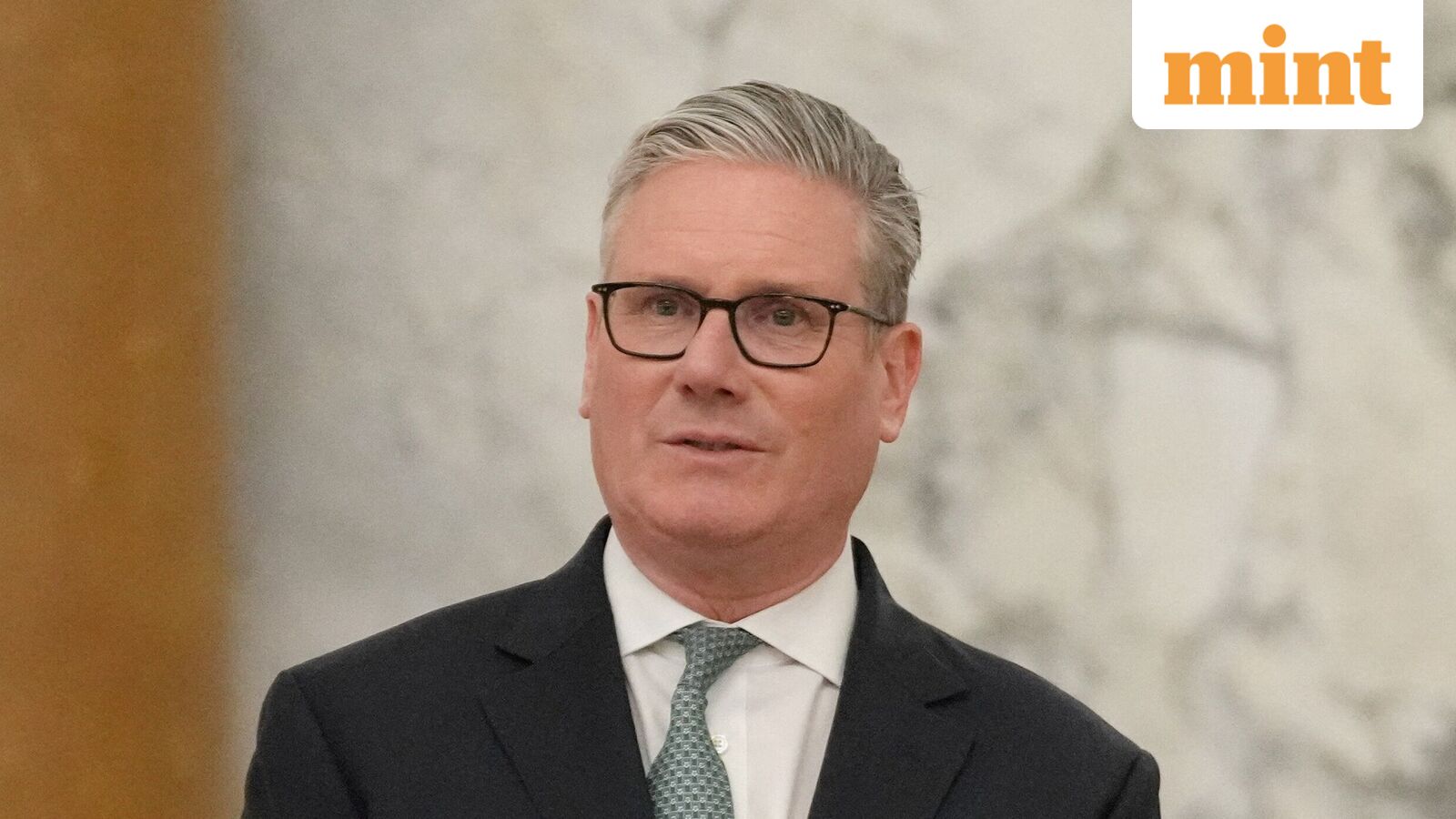
British Prime Minister Keir Starmer has publicly rebuked the recent rhetoric employed by President-elect Donald Trump concerning Iran, signaling a potential rift in the Anglo-American diplomatic alignment as the new U.S. administration prepares to take office. Starmer’s comments, which explicitly stated that Trump’s threats regarding the potential destruction of Iran are “not words I would use,” underscore a fundamental disconnect between the two leaders on the tactical approach to Middle Eastern security.

During a recent press briefing, the Prime Minister framed his objection through the prism of national identity, asserting that such bellicose language is fundamentally inconsistent with “British values and principles.” This public distancing represents a calculated move by Downing Street to maintain a degree of geopolitical independence, even as the UK navigates the complexities of its “Special Relationship” with the United States.

The Context of Escalating Tensions

The friction stems from Trump’s recent public declarations regarding Iran, which have leaned heavily into threats of aggressive military or economic retaliation. For traders and market analysts, the rhetoric is not merely a matter of political posturing; it serves as a bellwether for future volatility in the energy and defense sectors.

Middle Eastern stability has long been a primary driver of risk premiums in global oil markets. Any indication that the incoming U.S. administration intends to shift from a policy of containment to one of overt confrontation or regime-destabilization efforts introduces significant uncertainty. By explicitly rejecting the language of “destruction,” Starmer is attempting to advocate for a multilateral, diplomatic framework, likely fearing that an escalation could disrupt vital trade routes in the Strait of Hormuz and force the UK into a conflict scenario that deviates from its current foreign policy objectives.

Market Implications: Navigating Geopolitical Risk

For institutional investors and traders, the divergence between London and Washington creates a layer of ambiguity. Historically, the UK has acted as a primary strategic partner for U.S. foreign policy. If the British government continues to vocalize its disagreement with the White House on core security issues, the predictability of Western policy responses to regional crises—such as those involving Iran—diminishes.

This lack of alignment can lead to “policy drift,” where global markets struggle to price in the risk of sanctions, naval blockades, or regional military engagement. When major allies telegraph conflicting approaches to a nuclear-armed or regional power, the result is often an increase in volatility across Brent Crude and safe-haven assets like Gold. Investors should note that Starmer’s rejection of Trump’s rhetoric suggests a preference for the status quo of diplomatic pressure rather than the “maximum pressure” campaigns that characterized Trump’s first term.

What to Watch Next

As the transition of power in Washington progresses, market participants should remain vigilant regarding the following indicators:

  1. Defense Spending Shifts: Whether the UK or European NATO allies adjust their defense budgets in anticipation of a less predictable U.S. stance on Middle Eastern security.
  2. Energy Price Sensitivity: Any further escalation in rhetoric will likely be met with immediate spikes in energy futures. Traders should monitor the spread between WTI and Brent as a gauge of European versus American exposure to potential supply-chain disruptions.
  3. Diplomatic Backchannels: Watch for meetings between the UK Foreign Office and incoming Trump administration officials. While the headlines focus on public disagreement, the real strategy will be determined in private, where the UK will likely push for a more measured approach to avoid destabilizing the region further.

For now, the tension remains largely rhetorical, but it serves as a stark reminder that the post-election landscape in the U.S. may necessitate a recalibration of international alliances, with significant downstream effects on global market stability.