A Shift in Cabin Safety Policy
Southwest Airlines has officially confirmed a significant update to its carry-on luggage policy, aimed at mitigating the growing risk of lithium-ion battery fires aboard its fleet. Effective April 20, the carrier is implementing a strict limitation on portable chargers and external power banks, capping the allowance at one device per passenger. This move marks a departure from previous, more lenient regulations and signals an industry-wide prioritization of fire safety in the wake of recent aviation safety concerns.
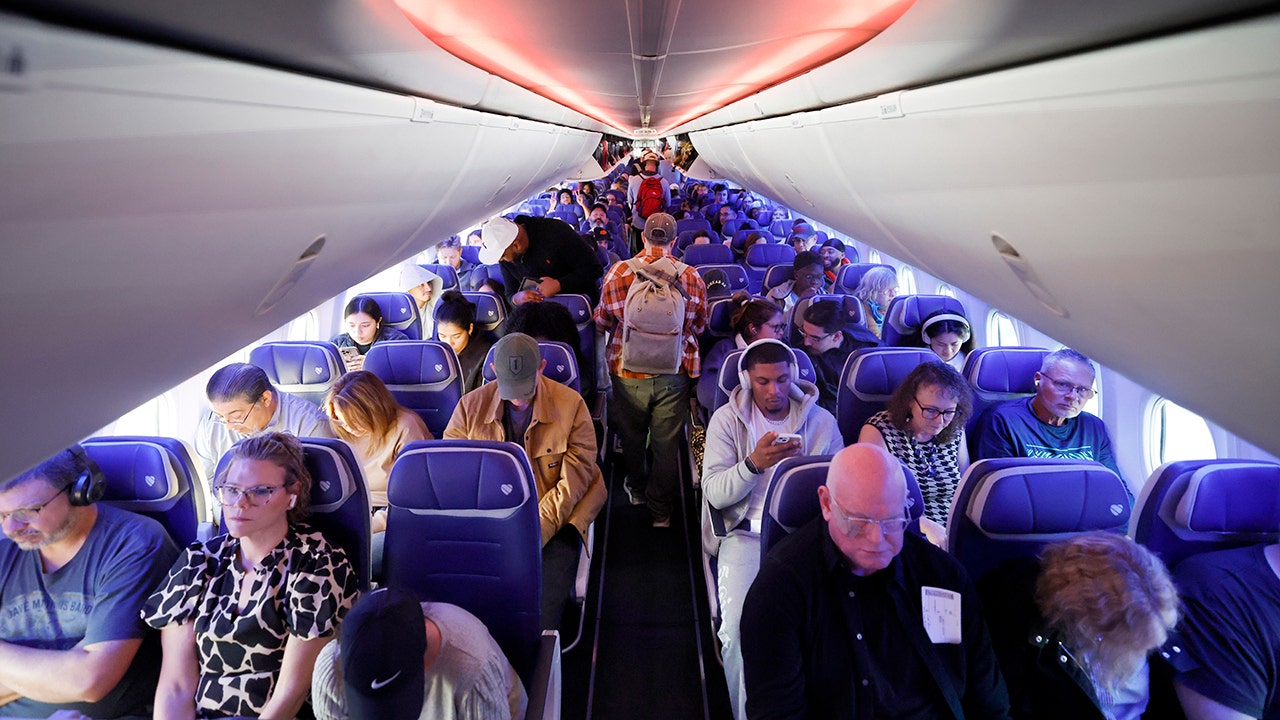
Beyond the quantity restriction, the new policy mandates that all portable chargers must be stored exclusively in the passenger’s personal item or carry-on bag located under the seat in front of them. The storage of these devices in overhead bins—a common practice for travelers seeking to maximize legroom—is now strictly prohibited.
The Rationale: Why Lithium-Ion Matters
Lithium-ion batteries are the lifeblood of modern travel, powering everything from smartphones and tablets to laptops and e-readers. However, their high energy density makes them susceptible to 'thermal runaway'—a chain reaction that can lead to rapid overheating, smoke emission, and, in extreme cases, intense fires that are notoriously difficult to extinguish with standard onboard fire suppression equipment.
For aviation authorities and carriers like Southwest, the risk is magnified at 30,000 feet. While the Federal Aviation Administration (FAA) has long provided guidance on the carriage of hazardous materials, individual airlines retain the authority to impose stricter internal policies if they deem it necessary for the safety of their passengers and crew. By forcing these devices into the under-seat space, flight crews gain immediate proximity to any potential ignition, allowing for a faster response time should a battery malfunction occur.
Market Implications and Operational Impact
For investors and industry observers, this policy change highlights the increasing operational costs associated with safety compliance. Airlines are navigating a complex environment where the proliferation of personal electronics directly clashes with the physical constraints of aircraft interiors.
While the financial impact of this specific policy on Southwest’s bottom line is negligible, it underscores the broader trend of 'safety-first' operational adjustments that can influence passenger experience and boarding efficiency. Investors should monitor whether other major carriers follow suit, as a synchronized industry shift could trigger a wave of new baggage compliance training and increased scrutiny at security checkpoints, potentially impacting boarding times and, by extension, gate turn-around metrics.
What Traders Should Watch Next
As Southwest prepares for the April 20 rollout, the focus will shift to the enforcement mechanisms at the gate. Any significant disruptions to the boarding process or a spike in passenger grievances could serve as a leading indicator of how complex these safety mandates are to implement at scale.
Furthermore, market participants should keep a close eye on the FAA and the Department of Transportation (DOT) for any subsequent mandates regarding battery storage. If regulators move to codify Southwest’s stricter rules into national policy, it could lead to a cascading effect across the aviation sector, impacting how airlines design their cabin stowage and how passengers prepare for air travel. For now, the move serves as a reminder that even minor policy shifts in the airline industry can have ripple effects on operational logistics and the passenger-carrier relationship.