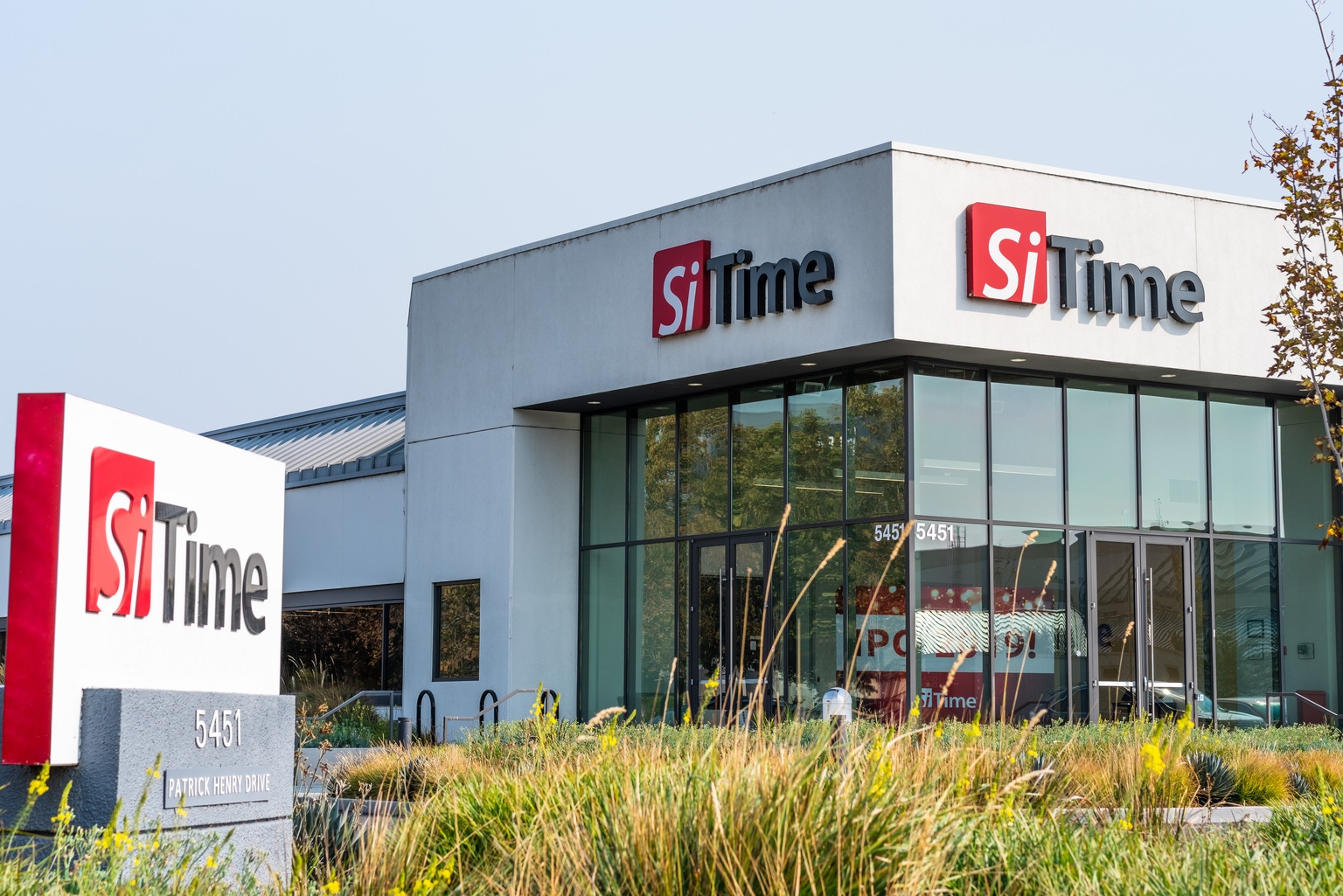
A High-Stakes Expansion in Timing Technology
SiTime Corporation (NASDAQ: SITM) has sent shockwaves through the semiconductor sector following the announcement of a $1.5 billion deal with Renesas Electronics. As a leader in silicon micro-electromechanical systems (MEMS) timing, SiTime’s move to deepen its ties with Renesas—a powerhouse in microcontrollers and analog products—represents a significant shift in its growth trajectory. However, for institutional investors and retail traders alike, the sheer scale of this transaction introduces a complex set of variables that are complicating the investment thesis for the stock.
While the deal positions SiTime to capture a larger share of the burgeoning timing market, the financial architecture behind the move has ignited a debate regarding valuation and risk. The primary concern is not the strategic fit, but the balance sheet implications and the operational hurdles inherent in integrating such a substantial partnership.
The Financial Balancing Act
At the core of the market’s hesitation is the impact of the $1.5 billion deal on SiTime’s financial health. The firm, known for its precision timing solutions, is now grappling with the dual pressures of accelerated growth expectations and the reality of debt management. In the semiconductor industry, where capital expenditure is cyclical and R&D costs are relentless, elevated debt levels can severely curtail a company’s agility during market downturns.
Integration risks also loom large. Merging product roadmaps, coordinating supply chains, and aligning corporate cultures with a giant like Renesas is notoriously difficult. Traders are currently pricing in a "complexity premium," as they wait to see if SiTime can sustain its historical growth rates while managing the financial burden introduced by this transaction. The market is essentially asking: Is the revenue synergy worth the potential dilution and leverage risk?
Market Implications: What Traders Need to Know
For traders, the Renesas deal has effectively drawn a line in the sand. On one side, there is the bullish case for SiTime: the company is cementing its status as an indispensable partner in the AI and high-performance computing supply chain. As demand for high-precision timing devices grows in data centers and edge devices, SiTime’s technology remains a critical bottleneck for competitors to overcome.
However, the bearish case is driven by valuation. With the stock now trading under the cloud of debt, the entry point for new capital has become significantly more difficult to justify. Analysts are closely watching the company’s quarterly debt-servicing capability and its ability to maintain margin expansion despite the upfront costs associated with the Renesas integration. For those currently holding positions, the key metric to monitor is the conversion of these strategic partnerships into tangible, bottom-line earnings growth.
Looking Ahead: The Path to Revaluation
Looking forward, the focus will shift to SiTime’s next few sets of earnings reports. Investors will be scrutinizing the company’s guidance for signs of margin compression or debt-related volatility. If SiTime can demonstrate that it is successfully leveraging the Renesas partnership to scale its product penetration without sacrificing its balance sheet, the current skepticism could dissipate, potentially offering a more attractive risk-reward profile.
Conversely, if the integration proves sluggish or if macroeconomic headwinds impact the semiconductor cycle, the stock may remain trapped in a consolidation phase. For now, the sentiment remains cautious. Investors are advised to look past the top-line growth numbers and pay close attention to cash flow statements and the company’s commentary on its debt obligations. The SiTime-Renesas deal is a transformative milestone, but for the equity, the market is signaling a "wait-and-see" approach until the financial integration is clearly de-risked.