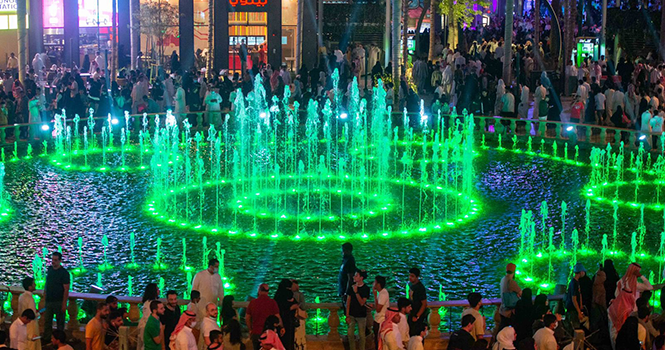
Saudi Tourism Growth Trajectory
Saudi Arabia’s aggressive pivot toward a diversified, post-oil economy reached a significant milestone in 2025 as international tourism receipts climbed to approximately SAR 159.9 billion. This figure represents a 4% year-over-year increase from the SAR 153.6 billion recorded in 2024, cementing the Kingdom’s position as a burgeoning global travel hub and a focal point for regional capital flows.
This sustained growth in visitor spending underscores the effectiveness of the Kingdom’s Vision 2030 initiative, which has prioritized the expansion of the hospitality, leisure, and entertainment sectors to reduce reliance on hydrocarbon exports. For market observers, this data point is more than just a tourism metric; it is a vital indicator of the Kingdom's progress in developing a non-oil private sector capable of generating substantial foreign currency inflows.
The Economic Context: Vision 2030 in Action
For years, the Saudi economy was inextricably linked to the fluctuations of global crude oil prices. However, the consistent climb in tourism revenue—now reaching a record high for the 2025 fiscal year—signals a structural shift. The government has poured billions into "giga-projects" such as NEOM, the Red Sea Project, and the expansion of cultural heritage sites like Al-Ula. These investments are designed to transition the Kingdom from a transit destination to a primary vacation and business travel hub.
When analyzed against the broader macroeconomic backdrop, the 4% increase in foreign spending provides a buffer against potential volatility in the energy markets. As global demand for oil faces potential headwinds due to the energy transition, the ability of the services sector to capture international capital becomes an increasingly critical component of the Kingdom’s balance of payments.
Implications for Investors and Market Sentiment
What does this mean for the professional trading community? The stability and growth of the Saudi tourism sector have direct implications for several asset classes.
Firstly, it strengthens the outlook for Saudi equities, particularly within the hospitality, aviation, and retail sectors listed on the Tadawul. Increased foreign spending directly bolsters the revenue streams of companies involved in luxury retail, hotel operations, and infrastructure development. Secondly, the steady inflow of foreign currency helps support the stability of the Saudi Riyal (SAR) and contributes to the overall health of the Kingdom’s foreign exchange reserves.
For institutional investors, the data suggests that the ongoing infrastructure build-out is beginning to yield tangible returns. The transition from capital expenditure (spending on building the sector) to operational revenue (spending by tourists) is the key inflection point that long-term investors watch for in emerging market growth stories.
Moving Forward: What to Watch in 2026
As the Kingdom looks toward 2026, the focus will likely shift from pure volume to value and sustainability. Analysts will be watching for data regarding the average duration of stay and the per-capita daily spend, which provide a more granular view of the tourism sector's profitability. Furthermore, as the Kingdom prepares for major global events, including the hosting of international sporting and cultural expos, the capacity of the current infrastructure to handle increased volume without diluting the visitor experience will be the next major hurdle.
Traders and policymakers alike should monitor upcoming quarterly reports from major Saudi-based airlines and hospitality conglomerates. If the 4% growth rate observed between 2024 and 2025 can be maintained or accelerated, it will likely serve as a bullish signal for the broader Saudi economy, reinforcing the narrative that the Kingdom is successfully navigating its complex economic transformation.