Back to Markets
Macro● Neutral

Tokyo Steps Up Diplomacy: PM Takaichi Signals Direct Talks with Tehran Amid Hormuz Volatility

April 6, 2026 at 10:02 PMBy AlphaScalaSource: upi.com
Tokyo Steps Up Diplomacy: PM Takaichi Signals Direct Talks with Tehran Amid Hormuz Volatility

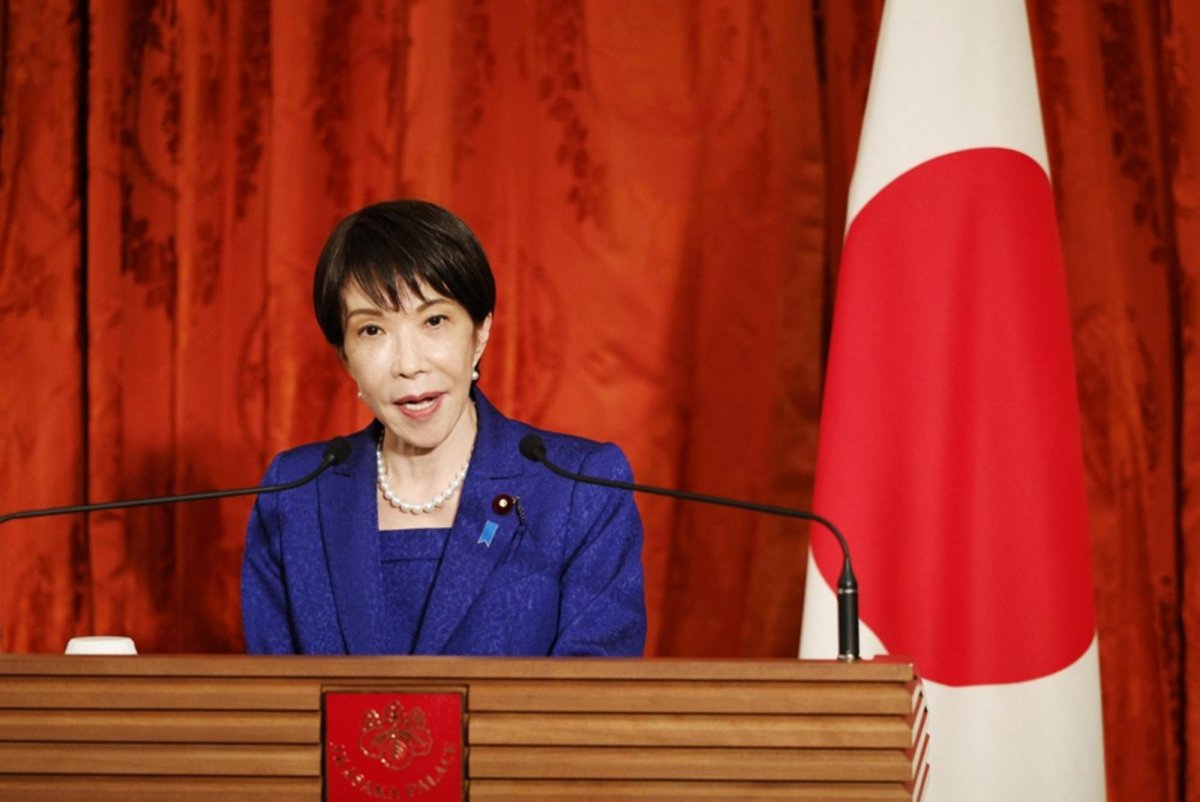
Japanese Prime Minister Sanae Takaichi is seeking a direct line to Iranian leadership to address growing volatility in the Strait of Hormuz, a development that carries significant implications for global energy markets and risk sentiment.

## A Diplomatic Pivot in the Strait

In a move underscoring the heightened anxiety surrounding global energy security, Japanese Prime Minister Sanae Takaichi has announced that her administration is actively preparing for a potential high-level dialogue with Iran’s leadership. The initiative comes as geopolitical friction in the Strait of Hormuz intensifies, threatening to disrupt one of the world’s most critical maritime corridors for crude oil transit.

Prime Minister Takaichi’s overture marks a strategic attempt by Tokyo to leverage its historical status as a neutral intermediary in Middle Eastern affairs. By seeking direct communication with Tehran, Japan aims to mitigate the risk of regional escalation that could have immediate and severe consequences for its domestic energy supply, which remains heavily reliant on Middle Eastern petroleum imports.

## The Strategic Importance of the Strait

For market participants, the Strait of Hormuz is not merely a geographic chokepoint—it is the world’s primary oil artery. Approximately 20% of global daily oil consumption passes through this narrow passage, connecting Persian Gulf producers to the rest of the world. Any kinetic activity or political posturing that restricts shipping lanes in this region historically triggers an immediate surge in risk premiums across energy markets.

Japan’s move to open a backchannel comes as regional tensions have reached a boiling point. The potential for a sudden supply shock is a primary concern for the Japanese government, which has long viewed its relationship with Iran as a vital component of its foreign policy, even as it navigates the complex web of Western-led sanctions and regional alliances.

## Market Implications and Trade Risks

For traders and macro strategists, Takaichi’s announcement serves as a critical signal of the severity of the current climate. When a major G7 economy feels compelled to initiate urgent diplomatic outreach to a sanctioned state, it suggests that intelligence regarding potential disruptions is significant.

Investors should monitor the following implications:

1. **Energy Volatility:** Brent and WTI crude prices are highly sensitive to news out of the Hormuz region. Any diplomatic breakthrough or, conversely, a breakdown in communication, will likely lead to sharp, volatile price swings in energy futures.

2. **Currency Sensitivity:** As a net energy importer, the Japanese Yen (JPY) is particularly vulnerable to spikes in oil costs. A sustained increase in energy prices driven by regional instability could exert further downward pressure on the Yen, complicating the Bank of Japan’s monetary policy objectives.

3. **Safe-Haven Assets:** Heightened tensions in the Middle East typically drive capital toward safe-haven assets, including gold and US Treasuries. If diplomatic efforts fail to yield results, expect increased demand for these instruments as market participants hedge against geopolitical tail risks.

## What to Watch Next

The effectiveness of Prime Minister Takaichi’s diplomatic outreach remains to be seen. The market will be closely watching for confirmation of the call, the tone of the readout from both Tokyo and Tehran, and any subsequent shifts in the posture of regional naval forces. For the trading community, the focus remains on the 'geopolitical floor' for oil prices. As long as the Strait of Hormuz remains a flashpoint, the risk of a supply-side shock remains elevated, necessitating a defensive posture in energy-linked portfolios.

As the situation develops, market participants should remain alert to any sudden shifts in the diplomatic narrative. Japan’s willingness to engage directly with Iran provides a potential buffer, but in the current geopolitical climate, historical precedents suggest that the path to de-escalation is rarely linear.