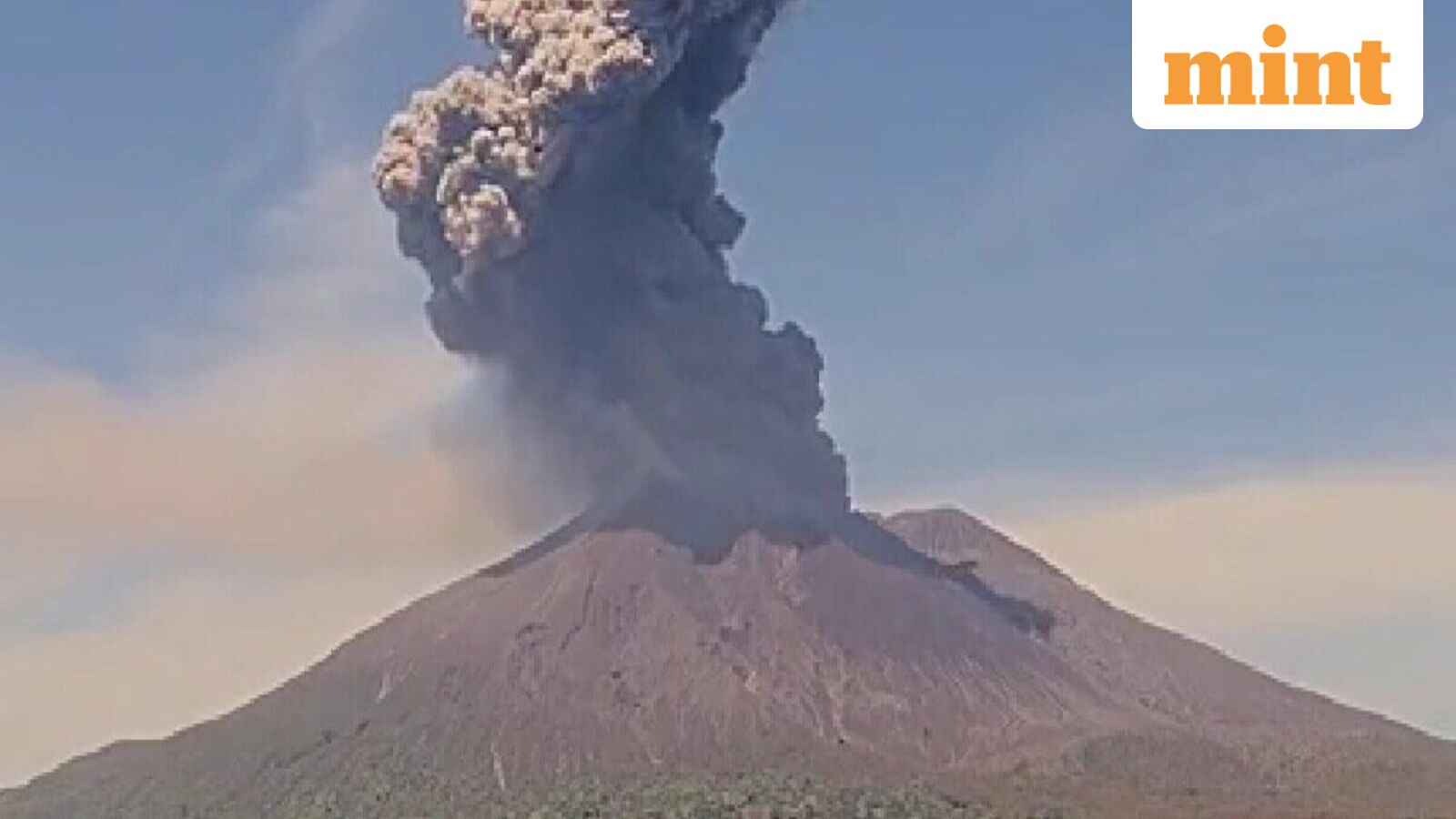
Seismic Activity in Kagoshima
Nature’s volatility has once again disrupted the southern Japanese island of Kyushu, as the Minamidake crater at Sakurajima—one of the country’s most active volcanoes—recorded a significant eruption. The event sent a massive plume of volcanic ash surging 3,400 meters into the atmosphere, blanketing significant portions of the Kagoshima Prefecture in debris and forcing local authorities to issue immediate health and safety warnings.
While the eruption is a recurring phenomenon for this specific geological feature, the scale of this particular plume highlights the persistent environmental risks that Japanese infrastructure must navigate. The ash fall has not only necessitated local cleanup operations but has also prompted meteorological agencies to maintain high-level alerts for surrounding areas, as wind patterns threaten to distribute particulates across wider corridors of the southern prefecture.
Economic and Market Context
For institutional traders and market observers, the primary concern surrounding such events relates to the potential disruption of local logistics and regional economic activity. Kagoshima serves as a critical node in southern Japan’s supply chain, particularly for agricultural goods and regional manufacturing. While the current eruption has not triggered a national emergency or a major disruption to the Tokyo Stock Exchange or broader indices, the persistent threat of volcanic activity in the Kyushu region remains a recurring variable in Japan's macroeconomic risk profile.
Historically, Japan’s readiness for seismic and volcanic activity is world-class, with robust infrastructure built to withstand such events. However, sudden, large-scale ash plumes often lead to temporary disruptions in regional air travel and ground transportation, which can weigh on the efficiency of local output and consumer activity. Traders monitoring the Japanese Yen (JPY) and regional Nikkei futures should remain cognizant of how these localized events, if they escalate, can occasionally lead to short-term volatility in sentiment regarding industrial stability in southern Japan.
Why Traders Should Monitor Geological Risks
In the context of the broader Japanese macro environment, these events serve as a reminder of the country’s unique reliance on resilient infrastructure. Any sustained disruption to the Kagoshima area could, albeit marginally, impact shipping routes and port efficiency in the region. Furthermore, insurance sectors and local municipal bond markets are often the first to experience the ripple effects of frequent geological activity, as the cost of disaster mitigation and infrastructure resilience is factored into regional fiscal planning.
As of the latest reports, local government agencies are managing the fallout from the 3,400-meter plume. While there is no immediate indication of a systemic market impact, institutional desks are closely monitoring further updates from the Japan Meteorological Agency. If secondary eruptions occur or if the ash plume impacts major transport hubs, the risk premium on regional logistics could see a minor uptick.
Looking Ahead
Investors should keep an eye on official updates regarding the stability of the Minamidake crater. While Japan’s infrastructure is designed to absorb the shock of such events, the volatility of the region's geological landscape remains a permanent fixture in the risk-assessment models for firms operating within Kyushu. The immediate focus remains on air quality, regional transport functionality, and whether the current eruptive cycle will subside or intensify in the coming 48 to 72 hours.