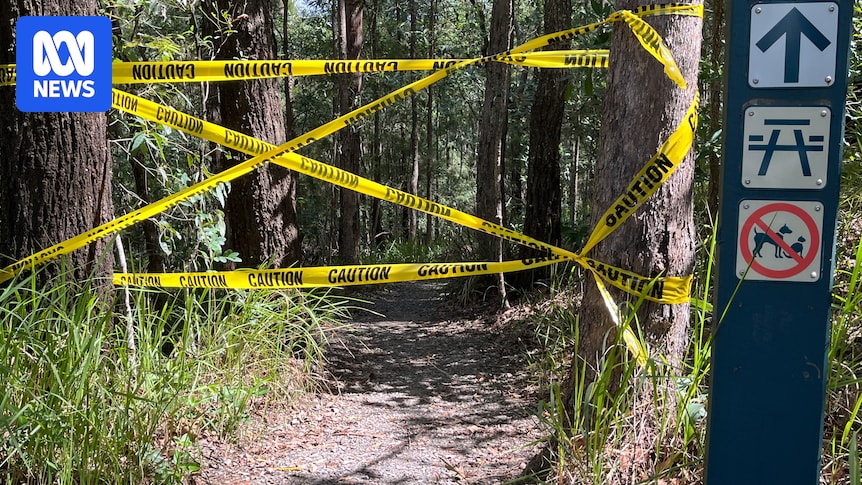
A Summer of Tragedies on the Trails
The Queensland Parks and Wildlife Service, in conjunction with local emergency management authorities, has issued a stern advisory to hikers and adventure seekers regarding the Glass House Mountains. The warning follows a harrowing three-week period that saw three separate fatalities and a surge in emergency rescue operations across the popular volcanic peaks of the Sunshine Coast hinterland.
While the region is a premier destination for outdoor enthusiasts, the recent spike in mortality has shifted the conversation from recreational enjoyment to critical risk management. Officials are now emphasizing that the terrain, which appears manageable to the casual observer, possesses hidden dangers that require professional-grade preparation and situational awareness.
The Anatomy of the Risk
The Glass House Mountains are characterized by steep, jagged volcanic plugs that demand more technical proficiency than standard bushwalking trails. Experts point to a combination of factors currently exacerbating the danger: unpredictable weather patterns, loose scree, and a false sense of security provided by the mountains' proximity to urban Sunshine Coast hubs.
“The environment is unforgiving, and the margin for error is razor-thin,” noted a representative from the local emergency services division. The recent string of incidents has strained local search-and-rescue resources, which have been deployed repeatedly to assist hikers who underestimated the physical demands of the incline or were caught unprepared by sudden shifts in visibility and surface stability.
Market and Economic Implications
For the local Sunshine Coast economy, which relies heavily on adventure tourism, these events pose a complex dilemma. The Glass House Mountains act as a primary anchor for the regional tourism sector, driving foot traffic to local hospitality and retail businesses. However, the recurring nature of these incidents—three deaths in a span of just 21 days—threatens to trigger more stringent regulatory oversight and potential trail closures.
Investors and stakeholders in the regional tourism industry must weigh the impact of potential safety-driven restrictions against the necessity of maintaining a safe "product." If authorities move to implement mandatory registration systems or restrict access to high-risk peaks during adverse conditions, it could lead to a contraction in visitor throughput. Conversely, inaction could result in a tarnished destination brand and increased liability for managers of public lands.
Risk Mitigation for the Outdoor Sector
The current situation serves as a stark reminder of the volatility inherent in physical activity-based tourism. For those operating within this space, the trend highlights a growing need for enhanced safety education. The message from authorities is clear: the mountains are not merely leisure spots; they are environments where safety protocols must be strictly followed.
As of this week, patrols have been increased, and signage at major trailheads has been updated to reflect the heightened risk levels. Visitors are being strongly urged to conduct thorough self-assessments of their physical fitness and technical climbing capabilities before attempting any ascent.
What to Watch Next
Moving forward, market observers and local stakeholders should monitor potential policy changes from the Queensland government. If the current trend of accidents continues, it is highly probable that we will see the introduction of stricter permit requirements or seasonal closures of the most hazardous trail sections. For the broader tourism sector in the Sunshine Coast, the challenge lies in balancing accessibility with the imperative of public safety. Until then, the "caution" advisory remains in full effect, and the focus rests squarely on preventing further loss of life.