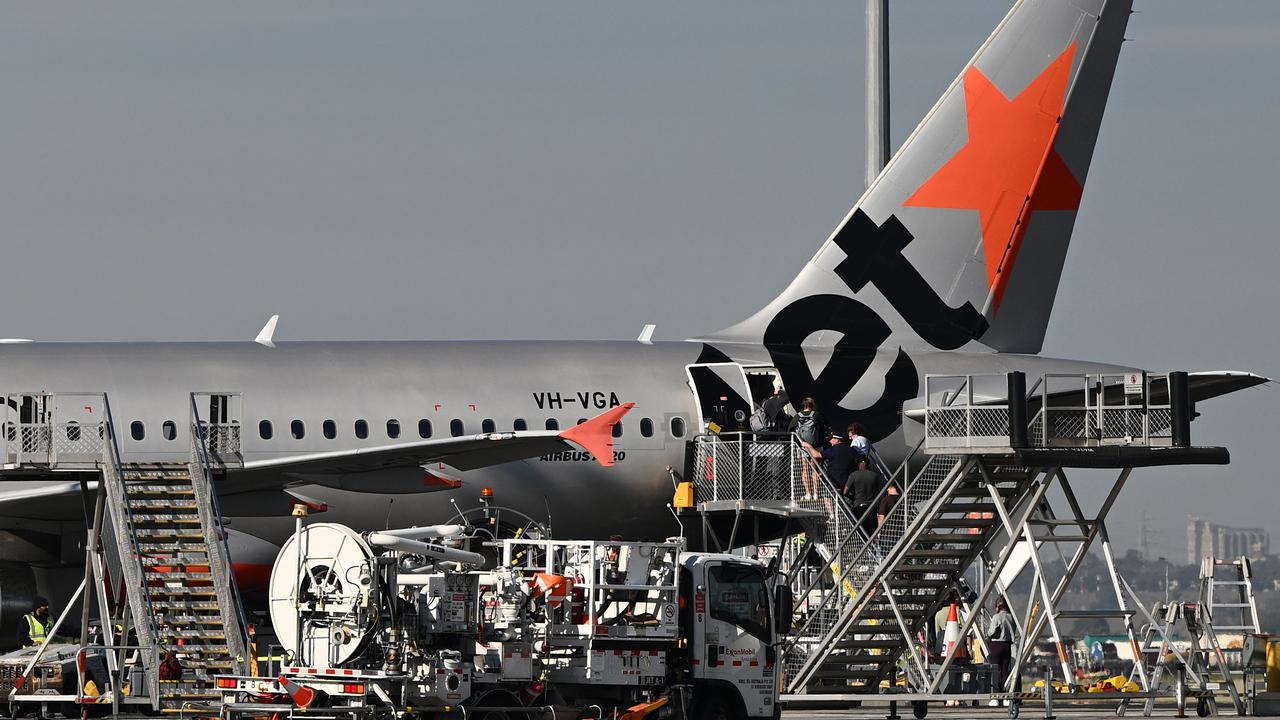
Qantas Trims Domestic Capacity as Fuel Expenses Surge

Qantas is scaling back domestic flight capacity to offset an expected $800 million surge in fuel costs caused by rising global oil prices.
The Cost of Conflict
Qantas Airways is pulling back on domestic capacity as the airline grapples with a sharp increase in operating expenses. The national carrier expects to absorb a financial hit of up to $800 million this year, a direct result of rising global oil prices sparked by the ongoing conflict in the Middle East.
Rising energy costs remain the primary driver of this decision. As the price of crude oil climbs, the expense of jet fuel has followed suit, forcing airlines to reconsider their flight schedules. For those monitoring commodities analysis, the sensitivity of airline bottom lines to energy price volatility is clear.
Financial Impact and Operational Adjustments
Qantas is choosing to reduce its domestic flight volume rather than bear the full weight of these costs alone. By trimming capacity, the airline hopes to manage its margins while maintaining its core network commitments. The scale of the projected $800 million increase reflects the severity of the price shifts in the energy sector.
Impact Breakdown
- Projected Fuel Cost Impact: Up to $800 million.
- Operational Response: Reduction in domestic flight frequency.
- Primary Factor: Escalating global oil prices.
"The volatility in fuel prices presents a difficult environment for the aviation industry, requiring a disciplined approach to capacity management to protect profitability," noted an industry analyst tracking the sector.
Market Context for Investors
Traders who follow the crude oil profile are well aware of how geopolitical instability in the Middle East influences energy markets. When oil prices spike, the ripple effects are immediate for transport stocks. Investors are now watching to see if Qantas will pass these costs on to passengers through higher fares or if further service reductions are on the horizon.
Comparative Cost Metrics
| Metric | Impact Level |
|---|---|
| Fuel Expense Increase | $800 Million |
| Domestic Capacity | Reduced |
| Middle East Risk Premium | High |
What to Watch Next
Market participants are looking for signs of stabilization in oil prices. If the conflict persists, the airline industry may face a sustained period of higher ticket prices and constrained travel options. Qantas will need to balance its fiscal responsibility with its market share, as any prolonged reduction in services could open the door for competitors to gain ground on key domestic routes.
For those invested in the sector, the upcoming quarterly reporting cycle will be critical. Analysts will look for confirmation that the airline has successfully hedged its fuel requirements or if it remains fully exposed to spot market prices. As the situation develops, the focus shifts to whether this is a temporary adjustment or the start of a longer period of contraction for the carrier.