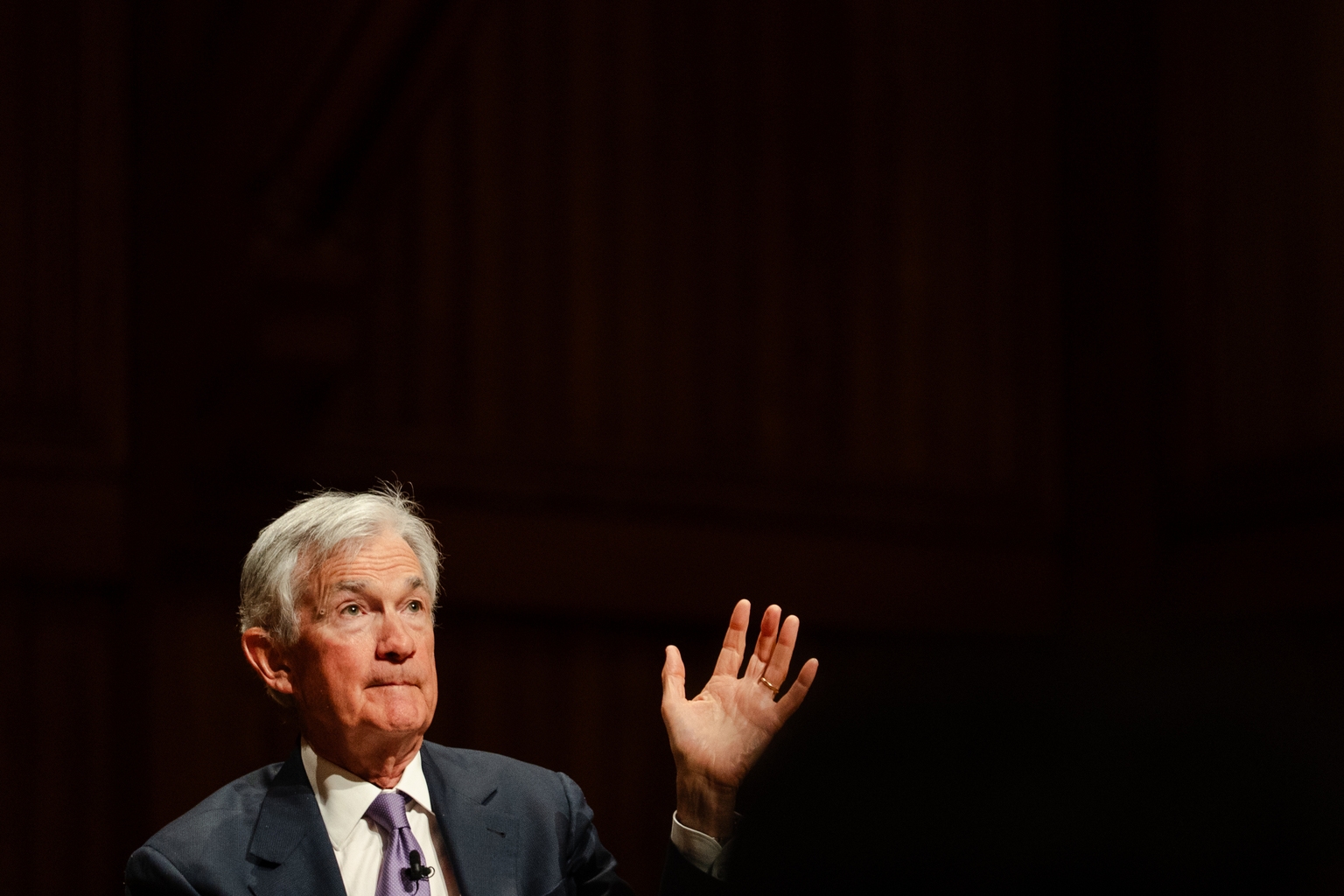
A Rare Show of Force
In a development that has sent ripples of concern through financial corridors, Federal Reserve Chair Jerome Powell and Treasury Secretary Scott Bessent have convened a series of emergency, high-level meetings with the chief executives of the nation’s largest banking institutions. The primary agenda: the escalating systemic risks posed by the rapid integration of advanced Artificial Intelligence (AI) within the global financial architecture.
While the specific details of these confidential briefings remain guarded, the optics of the meeting are unmistakable. Historically, such high-level, urgent summits between the Fed Chair, the Treasury Secretary, and the heads of Wall Street’s most significant lenders are reserved for moments of acute financial instability—typically seen during liquidity crunches or systemic banking failures. The fact that this gathering was prompted by the proliferation of AI suggests that regulators are moving from a state of passive monitoring to active, interventionist oversight.
The New Frontier of Systemic Risk
For decades, financial stability was discussed in terms of leverage ratios, capital buffers, and liquidity coverage. Today, the conversation has shifted toward algorithmic fragility. The concern among policymakers is that the increasing reliance on proprietary AI models for high-frequency trading, credit risk assessment, and liquidity management could create a 'black box' scenario where cascading errors occur with such velocity that human intervention becomes impossible.
Regulators are particularly wary of the potential for 'herd behavior'—where multiple large institutions utilize similar AI-driven hedging strategies, potentially creating synchronized market exits during periods of stress. If these models react to the same data points with identical algorithmic logic, the resulting market volatility could be cataclysmic, far outstripping the speed of legacy clearing systems.
What This Means for Traders
For institutional traders and market participants, this meeting serves as a clear signal that the regulatory 'wild west' era of financial AI is coming to an abrupt end. The involvement of the Treasury Secretary underscores that this is not merely a technical oversight question, but a matter of national financial security.
Traders should anticipate a tightening of the regulatory environment in the coming quarters. This could manifest as:
- Increased Reporting Requirements: Banks may soon be forced to disclose the architecture and stress-test results of their AI models to federal regulators.
- Operational Constraints: We may see the implementation of 'circuit breakers' specific to algorithmic decision-making, which could limit the speed at which capital can be deployed or withdrawn when AI systems detect anomalous market behavior.
- Higher Compliance Costs: The push for transparency will likely drag on the operational margins of major banks, as they divert resources toward auditing and 'explainability' features for their AI stacks.
The Road Ahead
As the Fed and Treasury look to codify their stance, the market must prepare for a period of heightened scrutiny. The primary risk for investors is not necessarily the AI itself, but the potential for a sudden, policy-driven 'de-risking' event. If regulators decide that certain high-speed algorithmic practices are too dangerous for the broader market, the resulting forced liquidations could trigger the very volatility they are trying to prevent.
Looking ahead, market participants should monitor upcoming statements from the Federal Reserve regarding the intersection of financial stability and emerging technology. If the rhetoric from Powell and Bessent continues to lean toward aggressive oversight, expect a shift in how major banks allocate capital toward tech development. The era of 'move fast and break things' has officially reached the boardroom of the Federal Reserve; for the financial sector, the priority is now shifting from innovation at any cost to the preservation of market integrity.