Pokémon Retail Strategy Shifts: Character Meet-and-Greets to Resume Amid Safety Enhancements

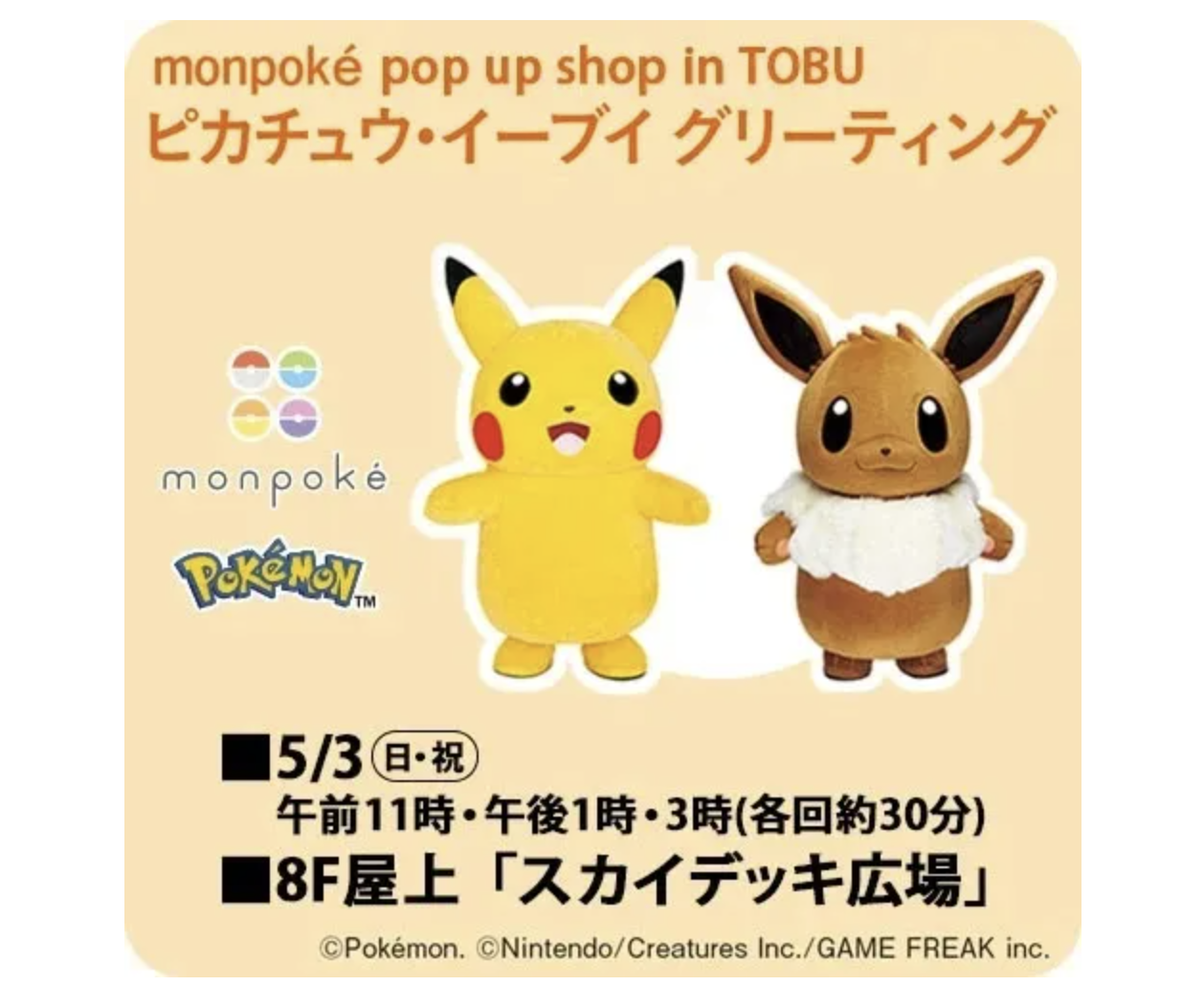
The Pokémon brand will resume character meet-and-greet events this May, starting with the opening of a Monpoké popup store in Tokyo’s Tobu Department Store, following a period of heightened security reviews.
A Return to Retail Engagement
The Pokémon brand is preparing to cautiously resume its hallmark character meet-and-greet events this May, marking a significant step in the company’s retail operations. The move follows a period of heightened scrutiny surrounding physical store security and public engagement protocols. As part of this transition, the brand’s baby apparel and toy sub-label, Monpoké, is slated to launch a high-profile popup store located within the Tobu Department Store’s Ikebukuro branch in downtown Tokyo.
This strategic retail expansion places the brand in a prominent position within the Ikebukuro commercial district. The location is situated in close proximity to the Sunshine City shopping center, a major hub for Pokémon-themed retail. The choice of location is notable, as Sunshine City was the site of a tragic incident on March 26, where a female employee working at the Pokémon Center retail store was fatally attacked. The event sent shockwaves through the local retail community and prompted a comprehensive review of safety measures for staff and customers alike.
Navigating Corporate Responsibility and Brand Image
The decision to restart character-led events reflects the inherent tension between maintaining a family-friendly, immersive brand experience and ensuring the absolute security of retail personnel. For The Pokémon Company, managing the transition back to interactive events is critical for maintaining its brand equity. The Pokémon Center franchise has long relied on physical presence and character engagement to drive foot traffic and foster consumer loyalty, making the resumption of these events a vital component of their long-term retail strategy.
Historically, Pokémon-themed retail locations have served as more than just points of sale; they function as cultural touchpoints that drive significant revenue through exclusive merchandise and experiential marketing. The Monpoké popup store represents a focused effort to capture the burgeoning market for specialized baby apparel, a segment that has shown resilience even in volatile retail environments. By integrating these pop-ups into established department stores like Tobu, the brand leverages existing security infrastructure and consumer traffic patterns inherent to large retail complexes.
Market Implications for Retail and Consumer Sentiment
For investors and market analysts monitoring the Japanese retail sector, the recovery of foot traffic in Ikebukuro remains a key performance indicator. While the tragic event in March was an outlier, it has forced a broader conversation regarding the physical safety of retail employees in high-density shopping districts. Traders should observe how the company balances its public-facing event schedule with operational overheads related to increased security, as these costs can impact the bottom-line margins of physical retail outlets.
Furthermore, the success of the Monpoké popup will likely serve as a litmus test for consumer sentiment and the willingness of the public to return to high-interaction retail environments. If the May relaunch proceeds without incident, it is expected that the company will gradually scale these events back to their pre-incident frequency across its wider network of stores.
Looking Ahead
As the industry watches the rollout of these events in May, the focus remains on the efficacy of the new safety protocols. The Pokémon brand’s ability to successfully navigate this period of sensitivity will be essential for stabilizing its retail footprint. Market participants should continue to monitor updates regarding store operations and any subsequent announcements from The Pokémon Company regarding broader retail event strategies throughout the fiscal year. Any indication of a successful return to form in Tokyo’s major shopping districts could provide a positive signal for the retail sector’s resilience in the region.