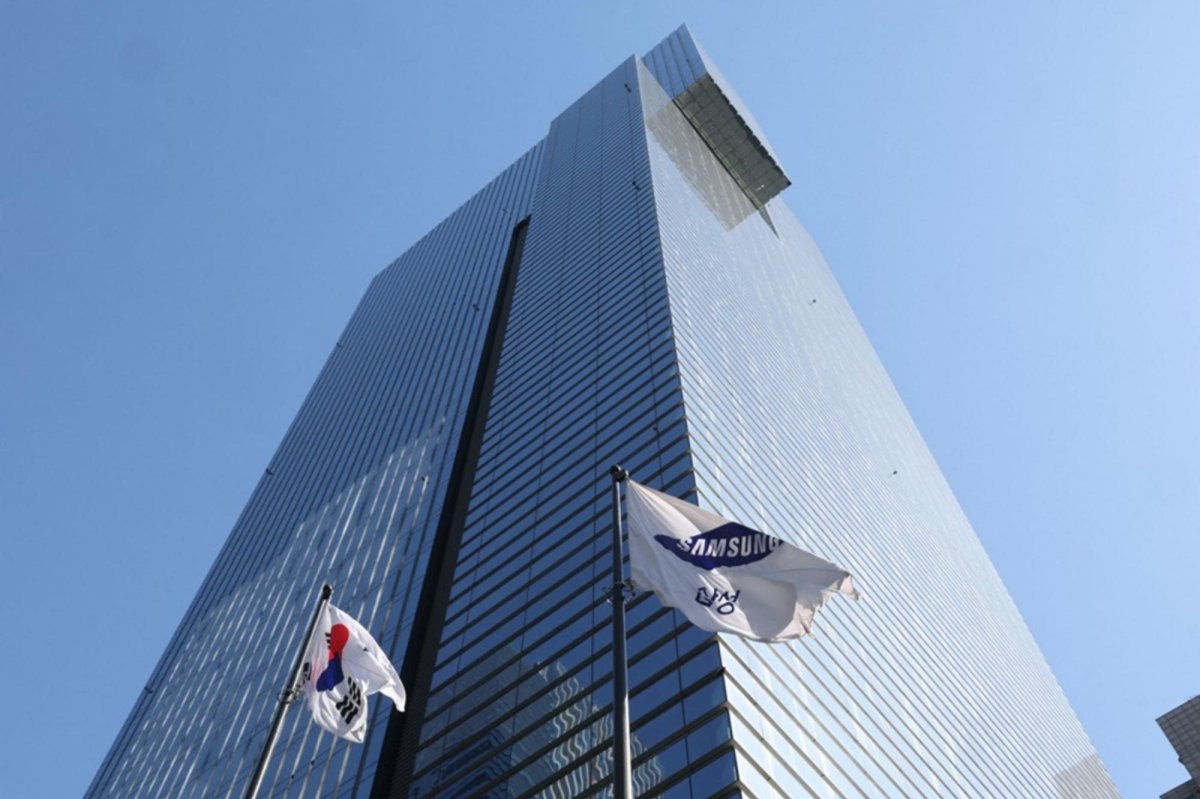
The Silicon-Fueled Campaign Trail
As South Korea approaches the June 3 local elections, a singular economic driver has emerged as the centerpiece of campaign rhetoric: the acquisition of a Samsung Electronics semiconductor manufacturing facility. Candidates across various regions are aggressively positioning themselves as the most capable brokers for bringing Samsung’s massive capital investment to their respective jurisdictions, transforming industrial policy into a high-stakes local political issue.
For Samsung Electronics (005930.KS), these pledges represent more than just regional development; they underscore the company’s role as the lifeblood of the South Korean economy. The semiconductor industry is currently the pillar of the nation’s export-driven model, and the prospect of a new fabrication plant—or 'fab'—is viewed by local politicians as a guaranteed catalyst for job creation, infrastructure development, and an immediate boost to local tax bases.
Why Samsung is the Ultimate Political Prize
Samsung’s semiconductor division is not merely a corporate entity; it is a geopolitical and economic imperative. As global competition in chip manufacturing intensifies—pitted against players like TSMC (TSM) and Intel (INTC)—the South Korean government has prioritized the expansion of its domestic chip ecosystem. For local candidates, promising a Samsung plant is a way to signal to voters that they are aligned with the national strategy of maintaining technological sovereignty.
However, the reality of site selection for a semiconductor plant is dictated by rigorous logistical requirements, including massive power consumption, water supply stability, and proximity to specialized supply chain clusters. While candidates are touting these plants as campaign promises, the final decision rests heavily on Samsung’s long-term capital expenditure plans and the availability of specialized labor, rather than the political promises of local officials.
Market Implications and Trader Sentiment
For investors and traders, this politicization of industrial infrastructure warrants a cautious approach. While the announcement of a new plant location can lead to localized real estate spikes and increased activity for regional construction firms, it rarely changes the fundamental trajectory of a global giant like Samsung Electronics.
Traders should monitor these local election developments to gauge the level of government support and potential subsidies that might be offered to the company. Increased political bidding wars for Samsung’s investment may lead to better tax incentives or streamlined regulatory environments, which ultimately benefit the bottom line of the semiconductor giant. However, the risk remains that political pressure may influence site selection in ways that are suboptimal from a pure operational efficiency standpoint.
What to Watch Next
As the June 3 election date approaches, the rhetoric is expected to intensify. Investors should watch for official statements from Samsung regarding their expansion roadmap, as the company will likely attempt to distance its corporate strategy from the volatile nature of local election cycles.
Key areas to monitor include:
- Specific financial incentives offered by local governments.
- The reaction of the national government to regional competition for Samsung's investment.
- Any official clarification from Samsung management regarding their actual expansion timeline versus the promises being made on the campaign trail.
As the chip war continues to heat up globally, South Korea’s ability to maintain its competitive edge will hinge on more than just political promises—it will depend on the successful execution of these complex industrial projects.