Back to Markets
Commodities● Neutral

MIT Researchers Develop New Method to Combat Ocean Acidification

April 14, 2026 at 04:00 AMBy AlphaScalaSource: news.mit.edu
MIT Researchers Develop New Method to Combat Ocean Acidification

MIT researchers have introduced a chemical-free method to mitigate ocean acidification, aimed at protecting marine life and enhancing the productivity of the global aquaculture industry.

A Chemical-Free Path to Marine Restoration

Researchers at the Massachusetts Institute of Technology have unveiled a new method to reduce ocean acidity. By utilizing a chemical-free process, the team aims to restore the balance of marine environments. This development offers a potential boost to Maine’s blue economy while providing a scalable model for the global aquaculture market.

Ocean acidification remains a primary threat to shellfish and other marine organisms. As the ocean absorbs excess carbon dioxide from the atmosphere, the resulting chemical changes can weaken the shells of marine life. The MIT approach focuses on removing this carbon without introducing external chemical agents into the water.

Impact on Maine’s Blue Economy

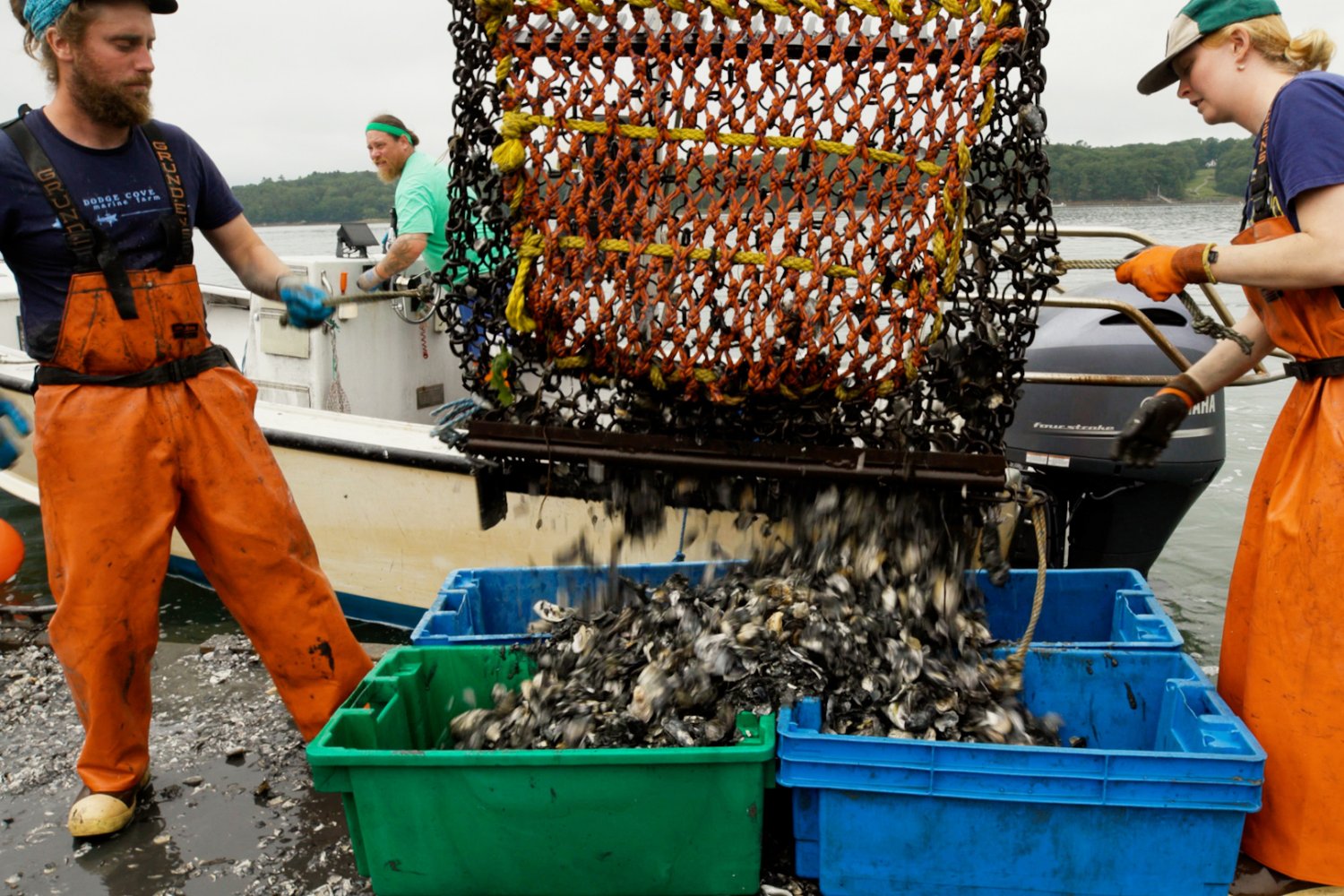
Maine’s coastal industries rely heavily on the health of the Atlantic. The state’s aquaculture sector, which produces significant quantities of oysters and clams, has faced pressure from changing water conditions. This new technology could stabilize local production and protect jobs in coastal communities.

"This chemical-free approach offers a viable way to protect marine life and support the aquaculture market," the research team noted in their recent findings.

Global Market Implications

While the local benefits are clear, the technology has broader implications for global market analysis. As sea temperatures and acidity levels fluctuate, industries that depend on consistent marine yields are seeking ways to mitigate environmental risks. The following factors highlight why this development matters for investors and stakeholders:

  • Scalability: The process is designed to be implemented at various sites, potentially lowering operational risks for large-scale farms.
  • Sustainability: By avoiding chemical additives, the method meets the growing demand for eco-friendly production standards in food and agriculture.
  • Cost Efficiency: Reducing the need for expensive chemical interventions could improve profit margins for aquaculture operators.

Comparative Metrics for Marine Protection

FeatureConventional MethodsMIT Chemical-Free Method
Chemical UseHighNone
Operational CostHighProjected Lower
Environmental ImpactPotential runoff riskLow/Neutral

What to Watch Next

Traders tracking developments in the aquaculture sector should monitor how quickly this technology moves from the laboratory to commercial deployment. If successful, the implementation of this method could alter the production costs and resilience of the global shellfish industry.

Those interested in broader environmental trends may also want to review recent updates on India’s urea import tenders, as agricultural and marine supply chains are increasingly sensitive to shifts in technology and policy. Keep a close eye on the adoption rates among major maritime players, as these will determine the long-term viability of the project.