A Diplomatic Pivot in the Levant
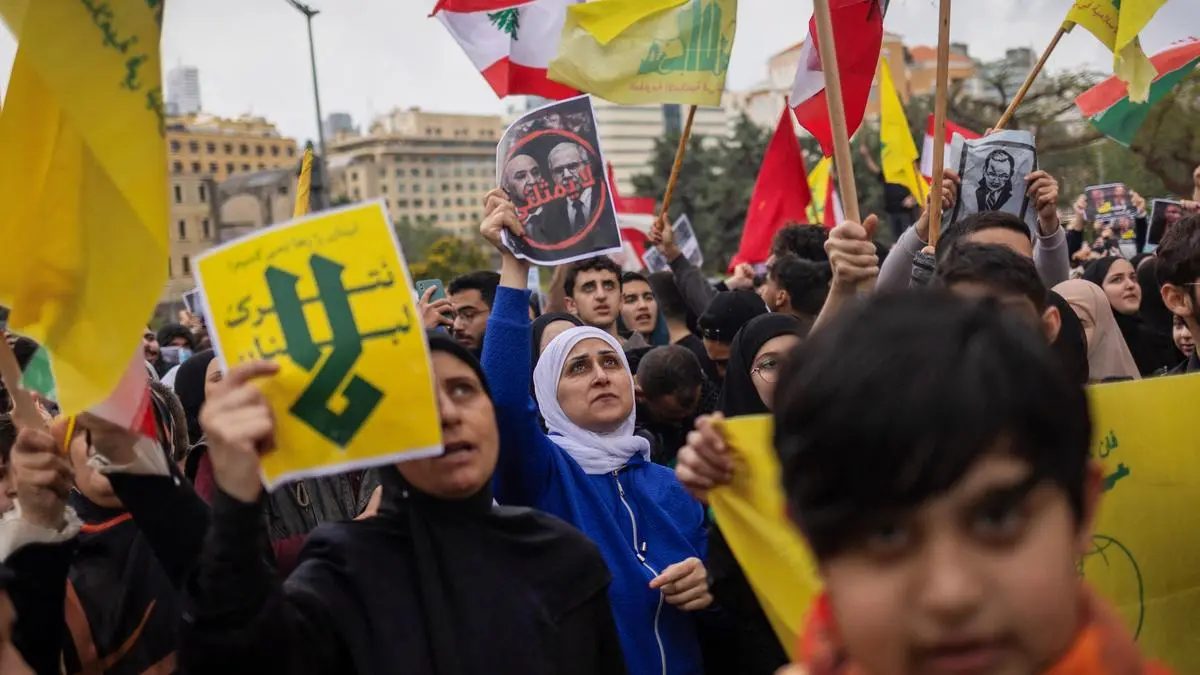
In a move that has captured the attention of global markets and geopolitical analysts alike, Israeli and Lebanese officials are scheduled to convene in Washington, D.C., to engage in high-stakes negotiations aimed at securing a ceasefire. The talks come against the backdrop of an intensifying conflict between Israeli forces and Hezbollah, a development that has remained a primary source of regional instability and a significant tail risk for energy and equity markets throughout the current quarter.
While the details of the agenda remain closely guarded, the primary objective is clear: establishing a framework to halt hostilities along the Israel-Lebanon border. For traders and institutional investors, this development represents the first tangible signal that the localized conflict may be moving toward a diplomatic resolution rather than a protracted, broader regional escalation.
The Geopolitical Stakes
The conflict between Israel and Hezbollah has long been viewed as a "powder keg" in the Middle East. Hezbollah, which maintains a significant military presence in southern Lebanon, has been engaged in a sustained exchange of fire with the Israel Defense Forces (IDF). This volatility has pressured investors, who are acutely aware of the potential for any escalation to draw in regional proxies or disrupt critical maritime trade routes and energy infrastructure.
Historically, conflicts in the Levant have served as a catalyst for volatility in crude oil prices and safe-haven assets. When tensions flare in the region, the market’s immediate reflex is to price in a "geopolitics premium," which often leads to spikes in Brent and WTI crude futures. By shifting the venue of these discussions to Washington, the involved parties are signaling a reliance on U.S. mediation, which historically provides a more structured environment for de-escalation compared to back-channel or third-party regional negotiations.
Market Implications: Why Traders Should Care
For the trading community, these talks are not merely a matter of international relations; they are a fundamental variable in risk-on/risk-off sentiment. If these negotiations yield a durable ceasefire, the relief rally could be substantial across several asset classes:
- Energy Markets: A cooling of hostilities would likely reduce the risk premium currently baked into energy prices, potentially easing upward pressure on oil.
- Equity Indices: Broad market indices, particularly those with exposure to EMEA (Europe, Middle East, and Africa) sectors, often react positively to signs of regional stabilization as supply chain concerns diminish.
- Currency Markets: The U.S. dollar, frequently used as a safe-haven anchor during geopolitical uncertainty, could see tempered demand if the perceived risk of a wider Middle Eastern war recedes.
Conversely, a failure to reach an agreement or a breakdown in communication would likely reignite volatility, favoring safe-haven assets such as gold, the Japanese yen, and the Swiss franc, while putting downward pressure on riskier equity positions.
Forward-Looking Analysis
As the talks move forward, market participants should monitor the tone of the post-meeting briefings. The key metric for success will not just be a temporary pause in fire, but the establishment of a verifiable monitoring mechanism. Traders should observe the reaction in the VIX (CBOE Volatility Index) and crude oil futures as the primary indicators of market confidence in these developments.
While a ceasefire would be a positive development, the underlying complexities of the Israel-Lebanon border remain deeply entrenched. Investors should maintain a cautious posture, as geopolitical negotiations are notoriously fluid and prone to sudden reversals. The ability of the participating parties to adhere to any agreed-upon terms over the coming weeks will determine whether this is a genuine turning point or merely a short-lived tactical pause.