Macro● Neutral
Political Rhetoric Risks: Assessing Market Stability Impacts
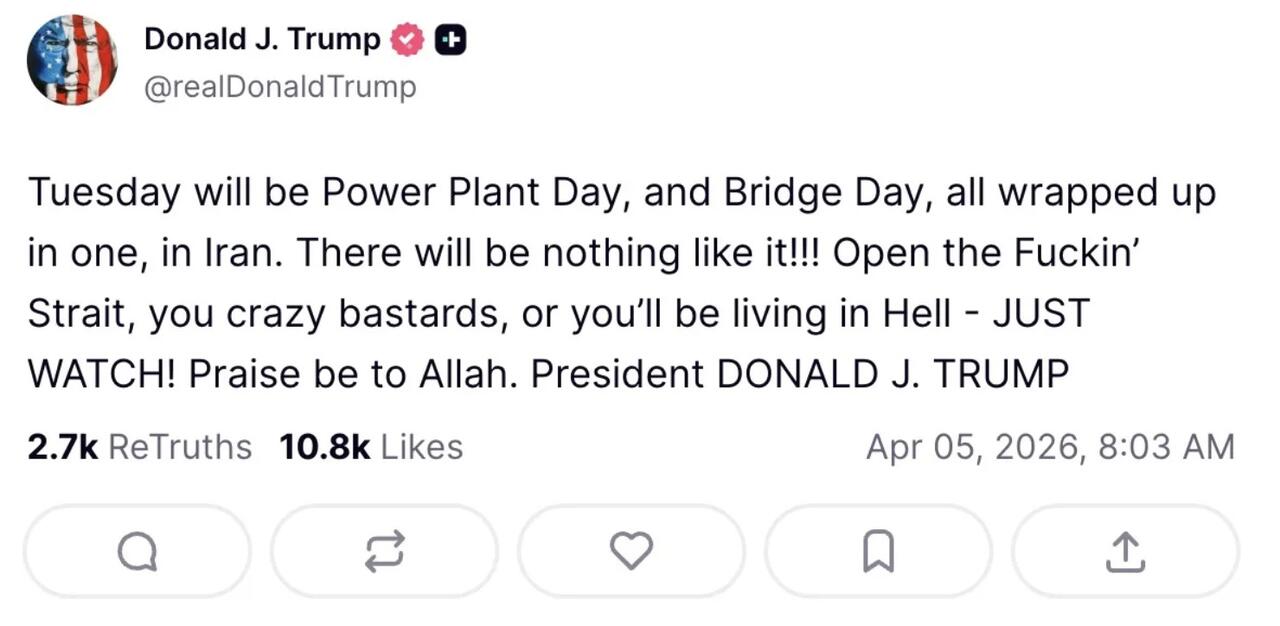
Aggressive messaging from Donald Trump tests investor sentiment as markets weigh whether heightened political volatility signals a shift in national leadership.
Continue with
Recent social media activity from Donald Trump has drawn significant attention, characterized by a mix of aggressive language and controversial messaging over the Easter holiday. While critics have labeled the tone as a desecration of the presidential office, the broader market perspective remains focused on the underlying implications of such rhetoric rather than the partisan narratives surrounding it.
Observers are weighing how increasingly bellicose political communication influences public perception and, by extension, market sentiment. The incident, which featured a combination of profanity and provocative statements, serves as a case study in how political volatility can intersect with public discourse. Despite the intensity of the language used, the focus for market participants remains on the potential for such events to disrupt political stability or influence legislative agendas. As the political landscape continues to shift, the market is evaluating whether these instances of heightened rhetoric represent a permanent change in the tone of national leadership or a transient cycle of controversy. For now, the narrative remains centered on the unpredictable nature of political messaging and its capacity to command public attention during periods typically reserved for traditional observance.