Macro● Neutral
Equities Rally as Oil Stabilizes Amid U.S.-Iran Ceasefire
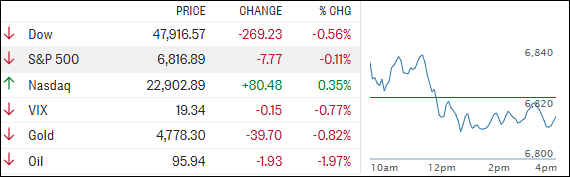
A weakening dollar provides a tailwind for SPX, IXIC, and DJI as markets prioritize inflation data over geopolitical risks. Watch for a potential relief rally.
Continue with
Equities Defy Geopolitical Headwinds
Global equity markets demonstrated notable resilience this week, with major indices poised for a constructive close as investors navigated the complexities of a fragile two-week ceasefire between the United States and Iran. Despite the persistent "war noise" emanating from the Middle East, market participants appear to have priced in a period of relative stability, allowing sentiment to pivot back toward macroeconomic fundamentals.
As of April 10, 2026, stocks initiated the morning session with a modest bounce, extending a trend of cautious optimism that has characterized the week’s trading. While geopolitical headlines remain a primary risk factor, the underlying bid in the equity market suggests that institutional investors are currently prioritizing inflation data and central bank trajectory over immediate conflict escalations.
Commodities and Currency Dynamics
One of the most telling signals from the current market environment is the behavior of crude oil, which has remained remarkably steady. Historically, oil prices exhibit heightened volatility during periods of U.S.-Iran friction due to the potential for supply chain disruptions in the Strait of Hormuz. However, the current stability in oil suggests that the market is viewing the ceasefire as a durable, albeit fragile, mechanism that effectively removes a near-term supply shock from the risk equation.
Simultaneously, the U.S. Dollar has displayed signs of weakness. For traders, this is a critical pivot point. A softer dollar often acts as a tailwind for risk-on assets and multinational earnings, potentially providing the fuel necessary for indices to maintain their current momentum. When the dollar retreats, it lowers the hurdle for foreign investors to participate in U.S. markets and eases the pressure on emerging market debt denominated in the greenback.