Stocks● Neutral
Middle East Conflict Triggers Sharp Sales Decline at LVMH
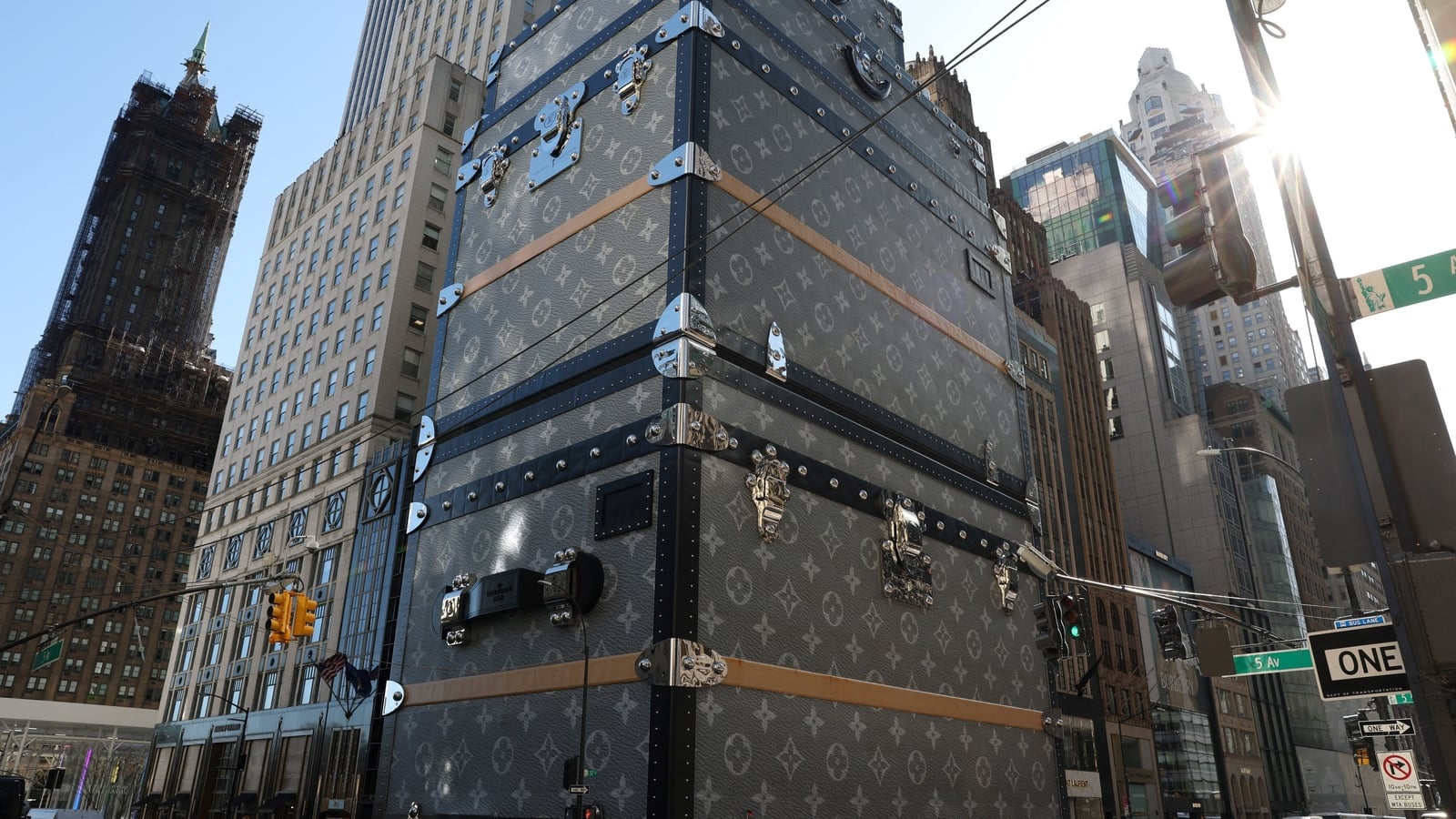
Luxury spending from Gulf tourists has cratered, hitting European boutiques hard. Investors must watch if this shift signals a long-term trend in demand.
Continue with
Luxury Spending Under Pressure
LVMH, the world’s largest luxury group, reported a sharp decline in sales tied to the ongoing conflict in the Middle East. The company confirmed that both regional demand and the spending habits of wealthy tourists from the area have dropped off, creating a tangible drag on its financial performance.
Management noted that the geopolitical instability has rippled across its operations. The decline is not limited to local storefronts; it also affects European luxury hubs where travelers from the Gulf typically represent a high-value customer base. As spending patterns shift, investors are keeping a close eye on how this impacts the broader market analysis.
The Impact of Geopolitical Instability
Luxury brands rely heavily on high-net-worth individuals who travel frequently. When regional conflicts escalate, these consumers often pull back on discretionary spending. For LVMH, this shift manifests in two distinct ways:
- Regional Sales Contraction: Direct revenue from Gulf markets has fallen as local consumers prioritize financial caution.
- Tourism Spending Drop: Wealthy tourists from the Middle East, usually a major source of revenue for European boutiques, have cut back on their shopping trips.