Stocks● Neutral
LVMH Sales Miss Estimates as Chinese Demand Slump Weighs
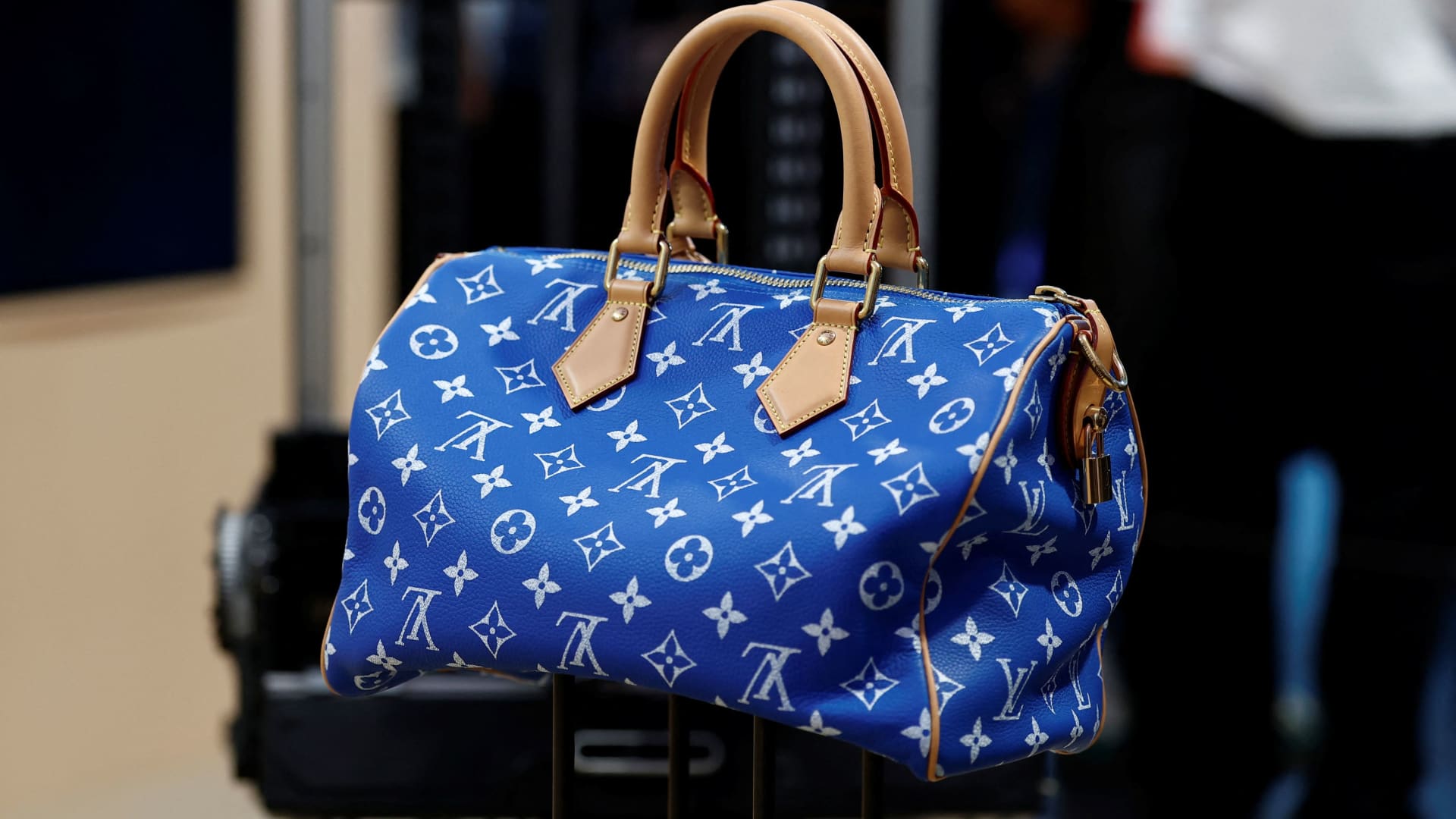
Weakness in the Chinese market signals a fragile recovery for luxury goods. Investors now look to upcoming peer reports to gauge if the industry slump persists.
Continue with
LVMH Revenue Growth Stalls
Luxury titan LVMH reported quarterly sales that fell short of market expectations. The slowdown signals that the sector's recovery remains fragile as weak demand from Chinese consumers continues to drag on performance. Investors are reacting to the cooling appetite for high-end goods, which had previously shown early signs of a rebound.
Weakness in the Chinese Market
The luxury industry relies heavily on growth in China. Recent data suggests that local buyers are pulling back, causing a ripple effect across major European fashion houses. Executives at LVMH noted that the broader economic environment is forcing a shift in consumer behavior, as shoppers become more selective with their discretionary spending.
Key Performance Metrics
- Quarterly sales growth: Missed analyst consensus estimates.
- Primary headwind: Declining demand from Chinese consumer segments.
- Sector sentiment: Weakness is spreading beyond just one brand, affecting the broader luxury market.