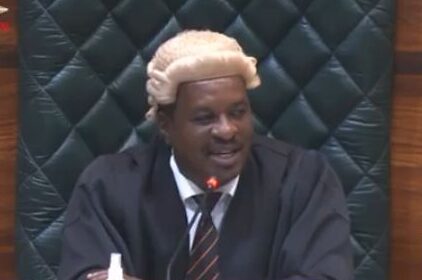
Legislative Integrity: Zambia’s Second Deputy Speaker Calls for Voter Vigilance in Candidate Selection

Second Deputy Speaker Moses Moyo urges voters to prioritize character and competence when selecting parliamentary representatives to ensure stronger national governance and fiscal oversight.
The Call for Character-Driven Governance
In a pointed address to the electorate, Second Deputy Speaker of the National Assembly of Zambia, Moses Moyo, has issued a formal call for heightened scrutiny regarding the character and competence of parliamentary candidates. Emphasizing the foundational role of the legislature in national development, Moyo’s remarks underscore a growing concern regarding the caliber of representation required to navigate the country’s complex socioeconomic landscape.
For investors and market participants monitoring the Zambian political environment, the integrity of parliamentary processes is a key indicator of institutional stability. Moyo’s insistence that voters must prioritize character over superficial campaign rhetoric highlights a movement toward demanding greater accountability from those tasked with drafting legislation and oversight of public resources.
The Economic Stakes of Legislative Quality
Parliament serves as the primary engine for budgetary approval and economic policy formulation. When the legislative body functions with high integrity, it fosters a predictable environment for both domestic and foreign capital. Conversely, a lack of focus on candidate character can lead to legislative gridlock or policies that lack the necessary foresight for sustainable growth.
Moyo’s intervention serves as a reminder that the stability of the National Assembly is inextricably linked to the quality of the individuals elected to serve within it. By urging the electorate to perform due diligence on the moral and professional standing of their representatives, the Second Deputy Speaker is advocating for a structural shift in how political mandates are earned. For market analysts, this signals a potential push for increased transparency in legislative appointments and a possible tightening of standards for public office seekers.
Implications for Market Stability and Policy
For the trading community, legislative developments in emerging markets like Zambia are critical. The quality of parliamentary debate directly influences the trajectory of fiscal policy, including taxation, debt management, and infrastructure allocation. If voters heed Moyo’s call, the resulting shift in parliamentary composition could lead to more robust oversight of government spending and improved long-term economic planning.
Historical precedents in similar jurisdictions suggest that when the electorate shifts focus toward the character and capability of lawmakers, it often precedes a period of improved fiscal discipline. Investors are advised to monitor whether this rhetoric from the National Assembly leadership translates into tangible electoral shifts or legislative reforms that prioritize meritocracy in governance.
Looking Ahead: The Voter’s Responsibility
The mandate for the electorate is clear: the strength of the National Assembly is a direct reflection of the criteria used at the ballot box. As the legislative agenda continues to evolve, the focus on candidate integrity will likely remain a central theme in political discourse. Participants in Zambian markets should keep a close eye on the legislative agenda in the coming sessions, as any move toward more rigorous parliamentary accountability will likely be viewed as a positive development for long-term institutional stability and investor confidence.