Stocks● Neutral
Kalashnikov Pivots to Anti-Drone Ammo for AK-12 Rifles
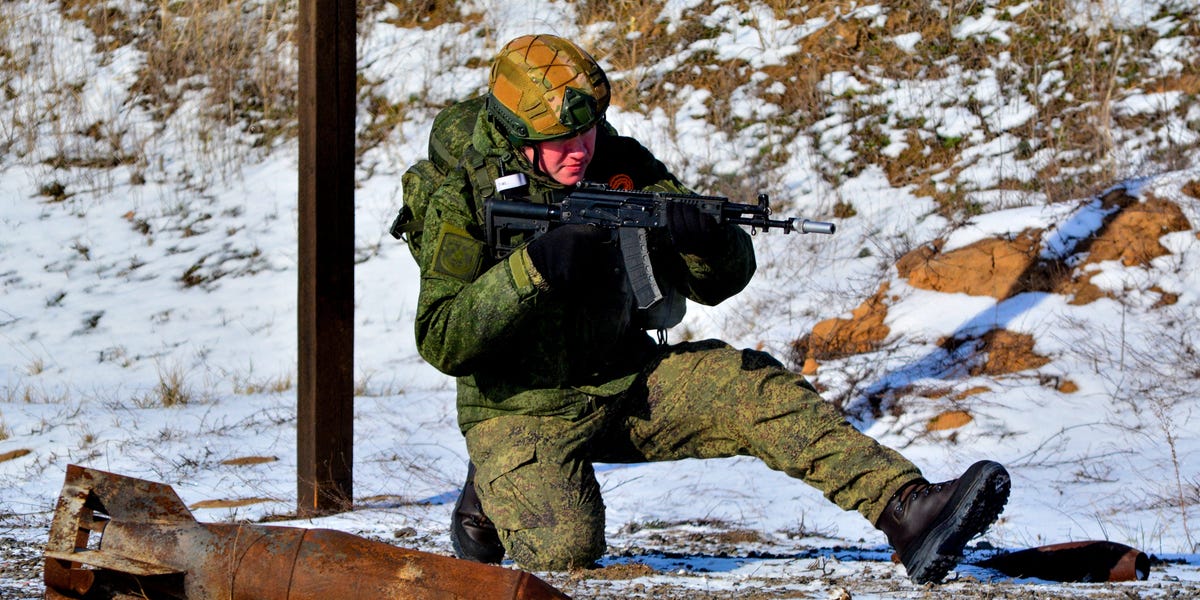
The Russian defense giant is mass-producing 30-round fragmentation cartridges to turn standard infantry rifles into short-range anti-drone weapon systems.
Continue with
A New Tactical Frontier for Small Arms
In a strategic shift that underscores the rapidly evolving nature of modern warfare, the Kalashnikov Concern—the legendary Russian manufacturer behind the ubiquitous AK-47—has announced plans to commence mass production of a specialized 30-round cartridge. These are not standard infantry rounds; they are precision-engineered to neutralize unmanned aerial vehicles (UAVs) by fragmenting upon firing.
Designed specifically for the AK-12 assault rifle, the ammunition represents a significant attempt by the state-backed defense giant to adapt its legacy small-arms platforms to the age of drone dominance. As loitering munitions and reconnaissance drones become a constant threat on the front lines, the ability to counter these low-cost, high-impact assets with standard-issue infantry weaponry has become a priority for military planners globally.
Technical Specifications and Tactical Utility
The core innovation of these cartridges lies in their terminal ballistics. According to the manufacturer, the ammunition is engineered to split into fragments after leaving the barrel, effectively turning the AK-12 into a short-range shotgun of sorts. This increase in the effective "hit area" is crucial when engaging small, agile targets like quadcopters or FPV (first-person view) drones, which are notoriously difficult to track and strike with a single, high-velocity projectile.
By integrating this capability into the AK-12—the current service rifle of the Russian Armed Forces—Kalashnikov is effectively upgrading the defensive posture of every infantryman on the field without requiring the deployment of expensive, complex electronic warfare (EW) suites or dedicated anti-aircraft missiles. For the tactical commander, this means providing a "last line of defense" against the swarm tactics that have redefined recent conflicts.