Macro● Neutral
Iran Policy Risks: How Tehran Impacts Global Energy Markets
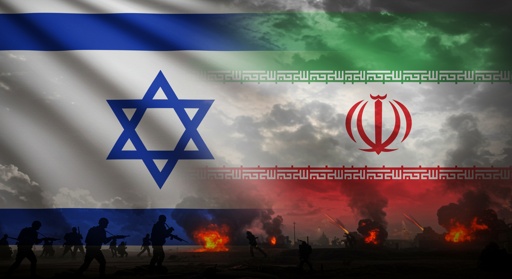
With 20% of global petroleum passing through the Strait of Hormuz, monitor sanctions enforcement as a primary catalyst for crude oil price volatility.
Continue with
The Intersection of Ideology and Global Geopolitics
The Islamic Republic of Iran remains a focal point of intense international scrutiny, with its domestic social policies and foreign policy maneuvers creating a complex environment for global markets. In the wake of recent regional tensions, questions regarding the intersection of Iran’s state-sanctioned ideology—rooted in a specific interpretation of Shia jurisprudence—and its status as a global actor have moved to the forefront of the geopolitical discourse. For traders and investors, understanding the stability of the Iranian state is no longer just a matter of regional politics; it is a critical variable in assessing energy security, sanctions regimes, and broader Middle Eastern stability.
The Debate Over Domestic Policy
At the heart of the current international discourse is the status of women under the Iranian legal and social framework. Critics frequently point to the restrictive mandates enforced by the government, arguing that these policies constitute a fundamental denial of human rights. When discussing whether the governing structure of Iran should be subject to external intervention or comprehensive dismantling, policymakers and analysts often grapple with the dichotomy between moral imperatives and the pragmatic realities of international relations.
From a market perspective, the volatility associated with the Iranian government is primarily driven by its internal social control mechanisms. The international community, led by various Western coalitions, has historically utilized sanctions as a lever to pressure Tehran. These sanctions have targeted everything from the Iranian oil sector to the Islamic Revolutionary Guard Corps (IRGC), creating a high-stakes environment where internal dissent and government crackdowns often lead to further economic isolation.
Market Implications: Risk Premiums and Energy Security
For investors, the primary concern regarding Iran is the potential for regional conflict and its subsequent impact on global supply chains—most notably in the energy sector. Iran’s control over the Strait of Hormuz, a critical chokepoint through which approximately 20% of the world’s petroleum consumption passes, means that any escalation in rhetoric or military posturing can lead to immediate spikes in crude oil futures.