A New Chapter in U.S.-India Diplomatic Synergy
The strategic architecture of the Indo-Pacific is undergoing a rapid reassessment as U.S. Ambassador to India, Sergio Gor, concludes a high-level series of consultations with the Trump administration. The meetings, which spanned the White House, the Department of Commerce, and the FBI, signal a concerted push to solidify the partnership between Washington and New Delhi amidst an increasingly volatile global landscape.
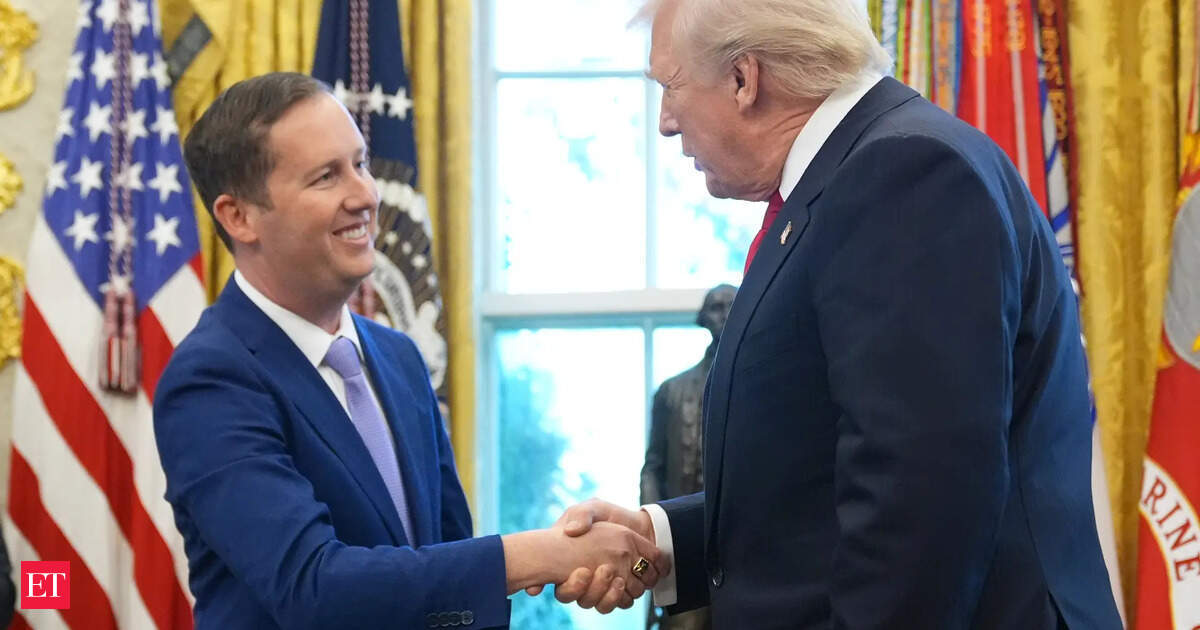
At the center of these discussions was a pivotal engagement at a White House dinner hosted by President Donald Trump. According to reports from the delegation, the conversation centered on the "strong future of India-U.S. ties," with both leaders emphasizing the necessity of the bilateral relationship in maintaining global stability. For market participants and geopolitical analysts, this meeting serves as a clear indicator that the U.S. remains committed to India as a primary counterweight to regional hegemony in Asia.
Deepening Economic and Technological Integration
Beyond the high-level diplomatic posturing, Ambassador Gor’s itinerary reflected a pragmatic focus on industrial policy and technological sovereignty. A critical component of his visit included a formal meeting with Commerce Secretary Howard Lutnick. The agenda for this discussion was specifically targeted at bolstering cooperation in two of the most critical sectors of the modern economy: Artificial Intelligence (AI) and pharmaceuticals.
For investors, the alignment on AI and pharma is particularly significant. India’s status as the ‘pharmacy of the world’ combined with its burgeoning tech-services sector makes it a prime candidate for U.S. supply chain diversification—a key pillar of recent U.S. trade policy. By aligning regulatory frameworks and investment incentives, the U.S. and India are looking to create a more resilient, integrated supply chain that reduces reliance on alternative manufacturing hubs.
Security Cooperation and Transnational Threats
Recognizing that economic growth cannot be sustained without a stable security environment, Ambassador Gor also engaged in high-stakes discussions with FBI Director Kash Patel. The focus of these talks was the enhancement of collaborative efforts to combat transnational threats.
This security-focused dialogue is essential for multinational corporations operating in the region. As the U.S. and India move toward more granular information sharing and joint enforcement operations, the legal and operational risks for businesses operating across borders are expected to shift. Enhanced cooperation suggests a more predictable regulatory and security climate, which is often a precursor to increased Foreign Direct Investment (FDI).
Assessing the Market Implications
The final leg of Gor’s outreach involved a meeting with Vice President JD Vance. The discussion, which focused on the broader scope of bilateral relations, underscores the depth of the administration's commitment. For traders, the implications are twofold:
- Supply Chain Diversification: The push for AI and pharma cooperation suggests that the U.S. will continue to favor India as a destination for capital expenditure, potentially providing long-term tailwinds for Indian equities and U.S.-based firms with significant Indian operations.
- Geopolitical Stability: The emphasis on transnational security and global stability is a stabilizing signal for currency markets, particularly the USD/INR pair, as it suggests a unified front between the two nations regarding regional security risks.
Looking Ahead
As the U.S. and India continue to align their economic and security interests, the next few quarters will be critical. Market watchers should monitor potential legislative developments coming out of the Commerce Department regarding AI partnerships and any subsequent joint-security agreements that emerge from the FBI-led initiatives. As these diplomatic efforts transition into concrete policy, they are likely to reshape the competitive landscape for tech and healthcare sectors, providing a new framework for trade between the world’s two largest democracies.