Back to Markets
Macro● Neutral

Inside Staatsburgh: The Gilded Age Estate Linked to Titanic’s Ill-Fated Lineage

April 14, 2026 at 02:18 PMBy AlphaScalaSource: businessinsider.com
Inside Staatsburgh: The Gilded Age Estate Linked to Titanic’s Ill-Fated Lineage

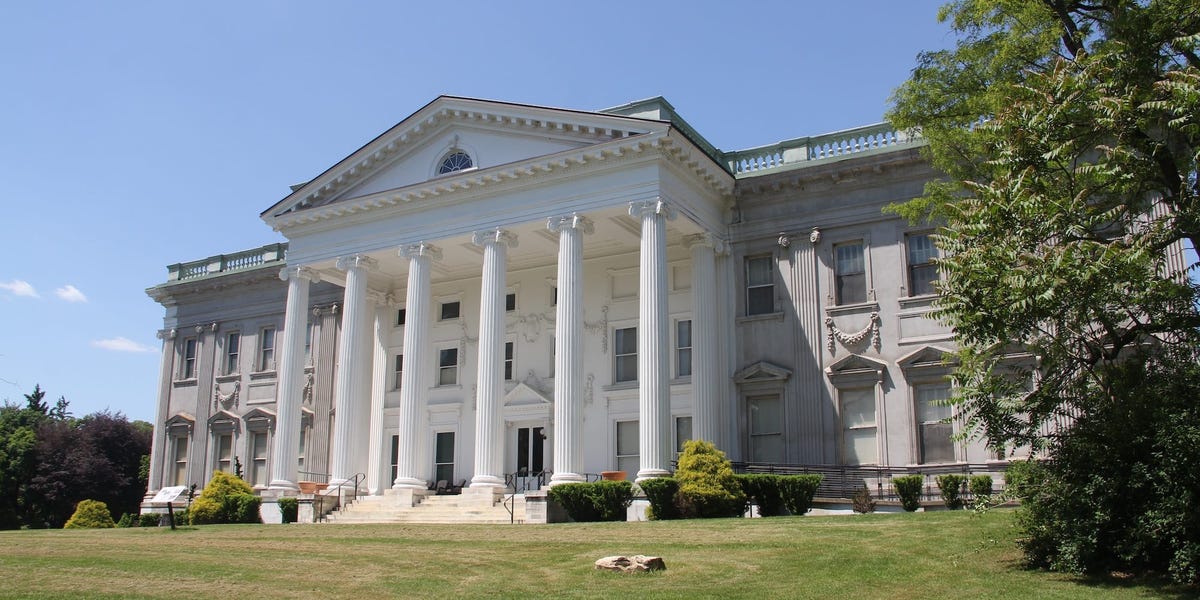
Staatsburgh, a massive 30,000-square-foot Gilded Age mansion, offers a historical window into the lives of the Mills family and their tragic connection to the Titanic through John Jacob Astor IV.

A Relic of Wealth and Tragedy

Staatsburgh stands as a 30,000-square-foot monument to the Gilded Age, offering a rare glimpse into the lives of the American aristocracy. Located in New York, the estate served as the home for Ruth Livingston Mills and Ogden Mills. While the mansion is celebrated for its architectural grandeur, it remains permanently connected to the history of the Titanic through the family's social and familial ties.

The owners were closely related to John Jacob Astor IV, one of the wealthiest men in the world at the time. Astor perished when the Titanic sank in 1912. This familial connection inextricably links the sprawling Staatsburgh estate to the maritime disaster that defined the early twentieth century.

The Titanic Connection

History buffs often focus on the family's proximity to the tragedy. Remarkably, the Mills family held tickets for the Titanic's scheduled second voyage. Had the ship completed its maiden journey, the couple would have been among the passengers on its next crossing.

Estate Specifications

FeatureDetail
Total Square Footage30,000 sq ft
EraGilded Age
Primary OwnersRuth and Ogden Mills
Notable ConnectionJohn Jacob Astor IV

Historical Context for Modern Observers

The mansion reflects the excesses of the era. Wealthy families during this period often maintained multiple properties, using them to host lavish social gatherings. Staatsburgh was designed to project power and influence, featuring dozens of rooms and expansive grounds that required a significant staff to maintain.

"The connection to the Titanic serves as a reminder of how small the world of the elite was during the Gilded Age," noted a historical curator. "The loss of Astor sent shockwaves through these social circles, changing their relationship with travel and luxury forever."

Market Implications and Preservation

For those interested in market analysis, the preservation of such estates highlights the cyclical nature of wealth accumulation and historical legacy. While modern investors focus on assets like the gold profile, historical real estate assets like Staatsburgh provide a different kind of value. They serve as physical records of economic history.

Investors and historians alike should watch for how these properties are managed in the future. Maintenance costs for a 30,000-square-foot structure are immense, and the transition from private family residence to public site is a common path for Gilded Age mansions. Protecting these sites allows the public to understand the concentration of wealth that characterized the American economy over a century ago.