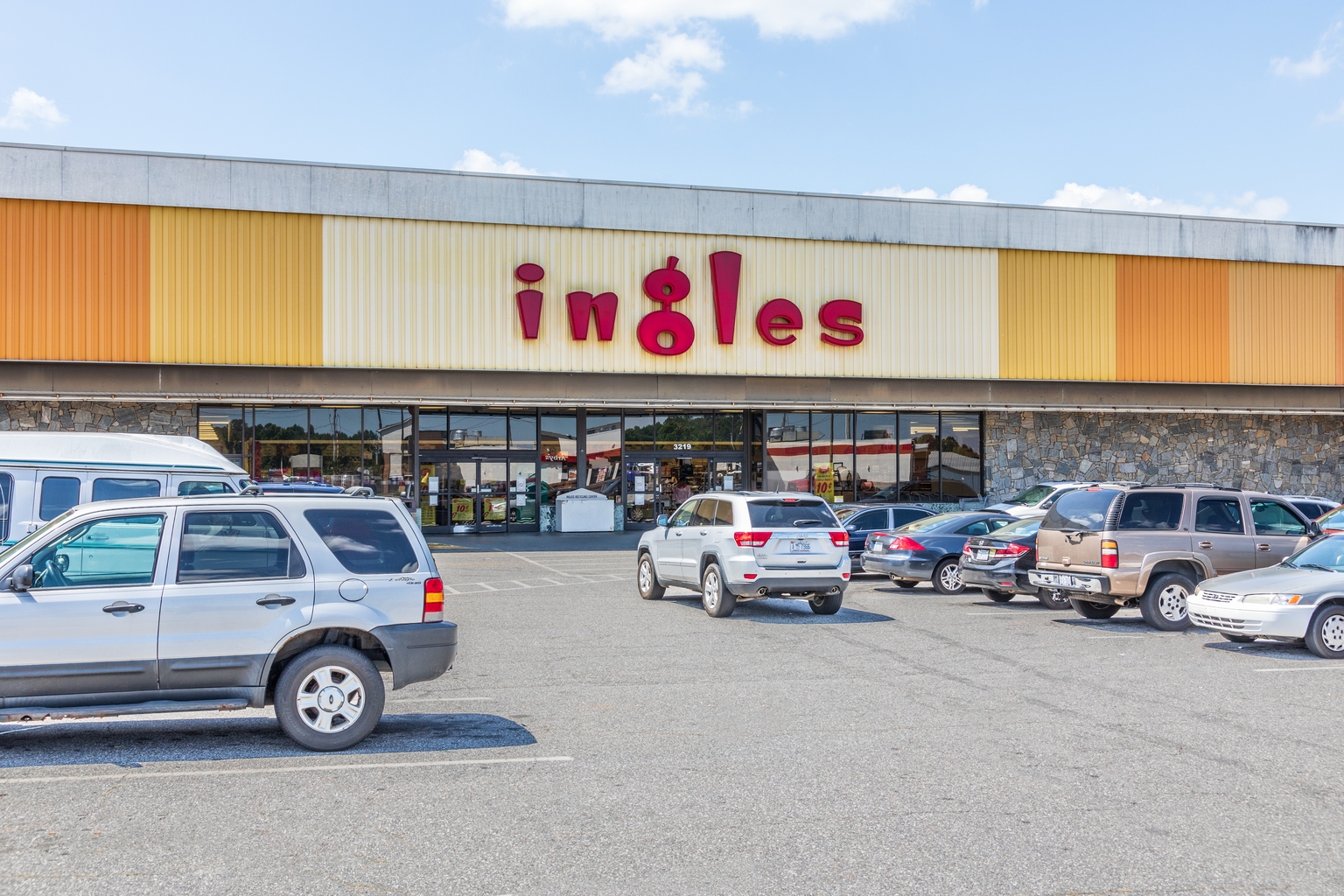
The Valuation Paradox at Ingles Markets
For value-oriented investors, the grocery sector often serves as a defensive harbor during periods of heightened market volatility. Among the regional players, Ingles Markets (NASDAQ: IMKTA) has recently garnered significant attention as its stock price exhibits upward momentum. However, a granular analysis of its fundamental metrics reveals that despite this recent surge, the company remains tethered to a valuation that arguably fails to reflect its underlying asset base.
At current price levels, Ingles Markets continues to trade at a substantial discount when measured against key valuation benchmarks, specifically price-to-book (P/B) and price-to-sales (P/S) ratios. For traders and institutional investors alike, this discrepancy presents a compelling case for a deeper look at the firm’s capital structure and long-term risk profile.
Deciphering the Discount
The persistence of the P/B and P/S discount is not merely an anomaly; it is a signal that the market has yet to fully price in the company’s localized competitive advantages. In the retail grocery space, where margins are notoriously thin, Ingles Markets has managed to maintain a low-risk profile that distinguishes it from larger, more leveraged national chains.
When evaluating the P/B ratio, which measures the market’s valuation of a company relative to its book value, IMKTA stands out as attractively priced compared to its historical averages and broader sector peers. Similarly, the P/S ratio indicates that investors are paying a relatively modest premium for every dollar of revenue generated. This suggests that the stock is not currently suffering from the 'overbought' conditions that often plague retail stocks amidst broader market rallies.
Why It Matters: The Low-Risk Thesis
The appeal of IMKTA lies in its defensive characteristics. In an economic environment defined by inflationary pressures and shifting consumer spending habits, Ingles Markets provides a degree of stability. Its regional dominance and real estate portfolio provide a tangible floor for the stock, mitigating the downside risk often associated with more speculative growth equities. For traders, this creates a unique 'strong buy' thesis: the combination of a valuation gap and a low-beta risk profile offers a favorable risk-reward asymmetry.
Market participants often overlook regional grocery chains in favor of high-growth tech or cyclical plays. However, the recent price action in IMKTA demonstrates that the market is beginning to notice the disconnect between the stock’s performance and its intrinsic value. The critical question for the coming quarters is whether institutional inflows will finally bridge the gap between the current market price and the company's fundamental worth.
Looking Ahead: What Traders Should Monitor
As we look toward the next fiscal reporting cycle, the primary indicator to watch will be the sustainability of these valuation metrics. Investors should monitor whether the P/S ratio begins to expand as the company optimizes its supply chain and manages rising operational costs. Furthermore, any shifts in the company’s debt-to-equity ratio will be paramount in determining whether the ‘low-risk’ profile remains intact.
While the recent surge has brought IMKTA into the spotlight, the fundamental narrative remains unchanged: the stock remains undervalued relative to its assets and sales, positioning it as a significant opportunity for those who prioritize long-term value over short-term momentum. Traders should look for consolidation at current levels as a potential entry point for a sustained revaluation to the upside.