The Islamabad Paradox: Luxury Facilities, Zero Transparency
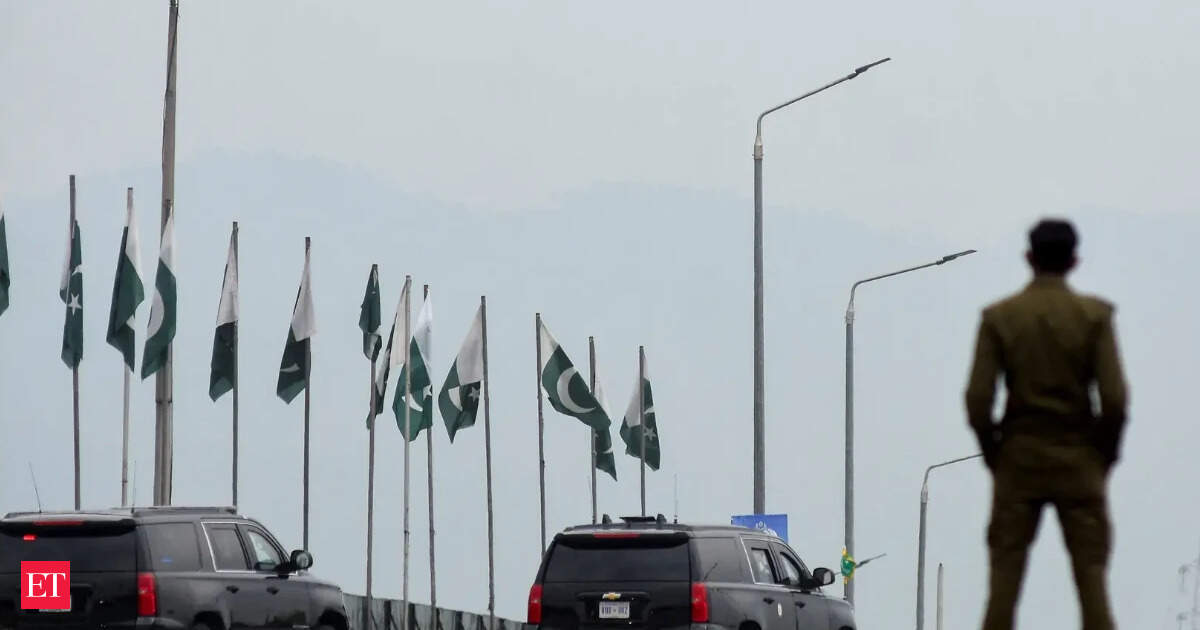
In a striking display of diplomatic theater, the Pakistani capital of Islamabad recently played host to a high-stakes convergence of international journalists covering critical peace negotiations between the United States and Iran. While the logistical preparations for the press corps were nothing short of opulent—featuring gourmet catering, high-speed connectivity, and dedicated workspaces—the substantive output of the talks remained obscured behind a wall of silence.
For the hundreds of reporters on the ground, the contrast between the environment and the process was jarring. Despite the lavish infrastructure provided for the media, official briefings were entirely absent. Instead, the flow of information was restricted to sparse, pre-scripted statements delivered via WhatsApp. This shift toward digital, one-way communication channels marks a significant departure from traditional diplomatic reporting, where face-to-face Q&A sessions typically offer the nuance required to parse complex geopolitical shifts.
Why the Silence Matters for Global Markets
The lack of direct communication from the negotiating teams is not merely a frustration for the media; it represents a tangible risk factor for institutional investors and traders tracking geopolitical stability. Negotiations involving Iran and the U.S. carry outsized implications for global commodity markets, particularly crude oil, and regional security premiums in the Middle East.
When diplomatic channels go dark, market participants are forced to trade on rumors and speculative headlines, which inherently increases volatility. In the absence of official briefings, the "WhatsApp-only" policy creates a vacuum that can be exploited by bad actors or lead to misinterpretations of policy shifts. For traders, this opacity makes it nearly impossible to price in the probability of sanctions relief, nuclear compliance, or regional de-escalation effectively.
The Shift Toward 'Black Box' Diplomacy
Historically, press briefings served as a stabilizing force in international relations, allowing for the clarification of red lines and the tempering of market reactions to geopolitical news. By bypassing the traditional press conference, the parties involved in the Islamabad talks have effectively moved to a "black box" model of diplomacy.
This trend is increasingly common in modern geopolitical negotiations, where stakeholders prioritize controlling the narrative over maintaining transparency. However, for those monitoring the interplay between U.S. foreign policy and Iranian economic stability, this lack of clarity is a major hurdle. Without the ability to challenge assertions or gain context on the progress of talks, analysts are left to guess whether the silence indicates a productive stalemate or a total breakdown in communication.
What to Watch Next
As the fallout from the Islamabad talks continues to settle, the primary concern for the market is whether the lack of transparency signals a long-term shift in how these high-level negotiations will be managed. Traders should remain cautious, as the reliance on indirect, digital statements makes the information flow susceptible to sudden shifts in tone or intent.
Moving forward, the burden of analysis falls on secondary indicators—such as tanker movements, changes in export volumes, and regional military posture—which may provide more accurate signals than official statements. Until a more robust communication strategy is re-established, the market should treat official updates from these talks with a high degree of skepticism, anticipating continued volatility in any asset class sensitive to the U.S.-Iran relationship.